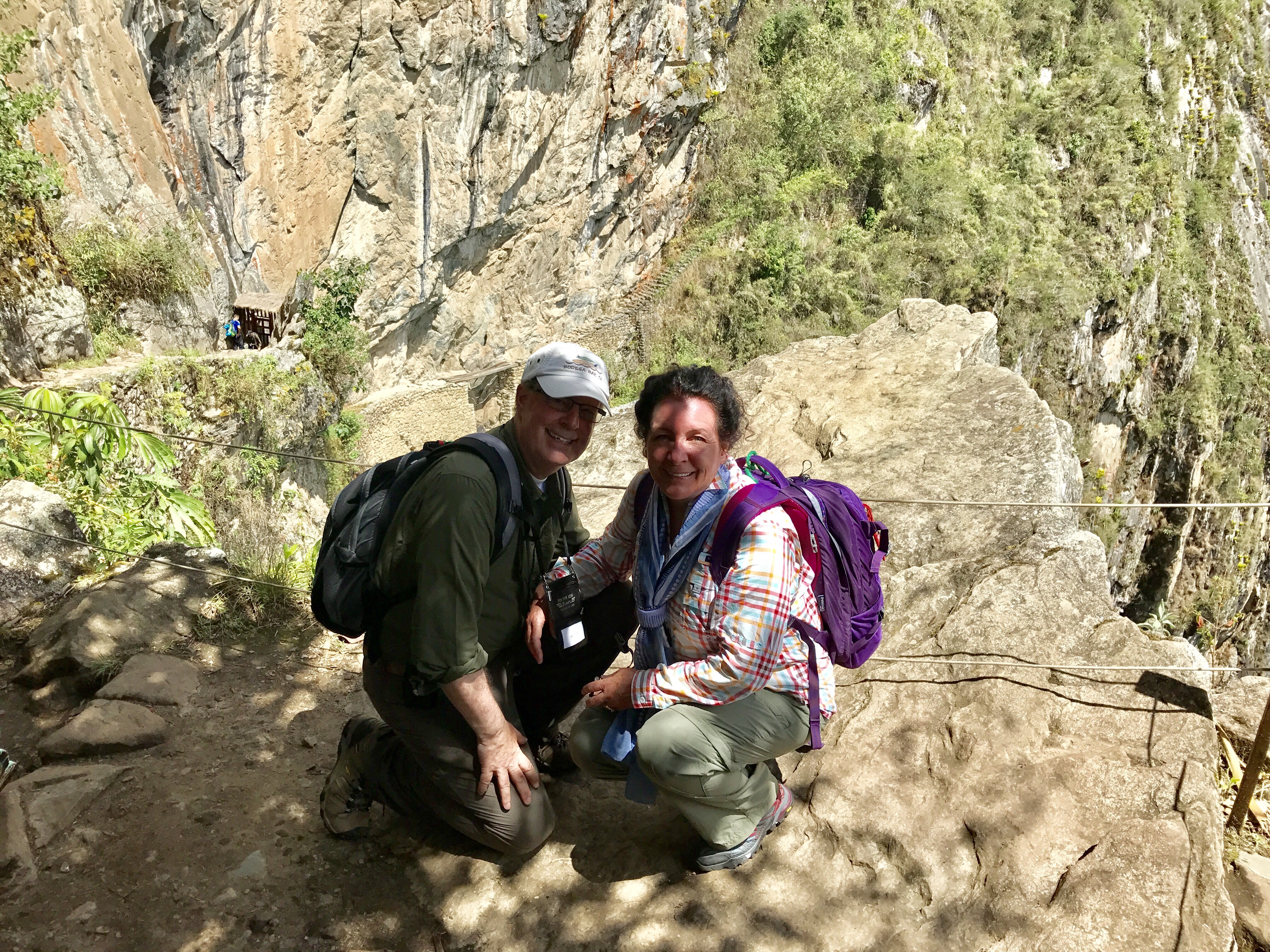
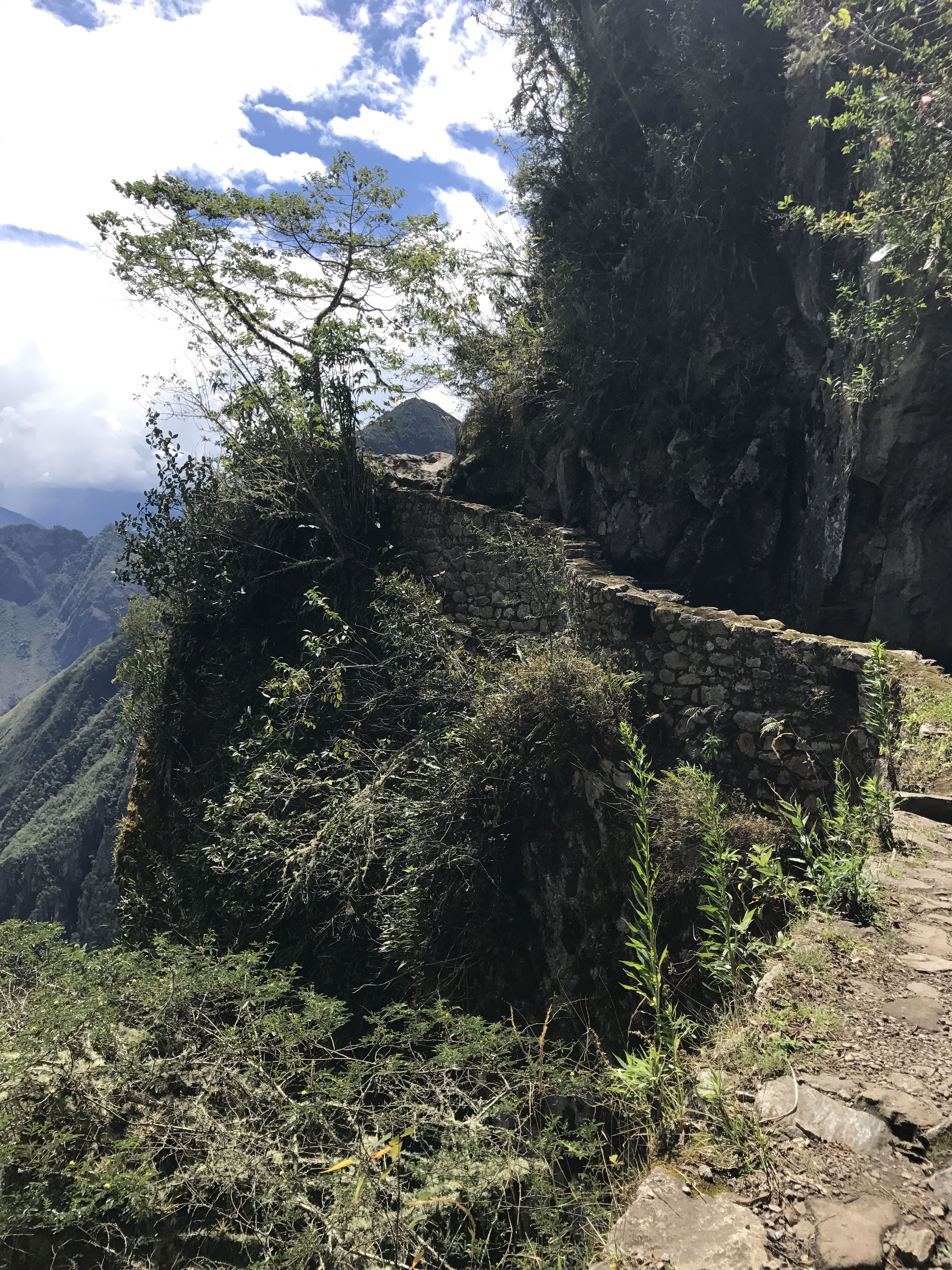
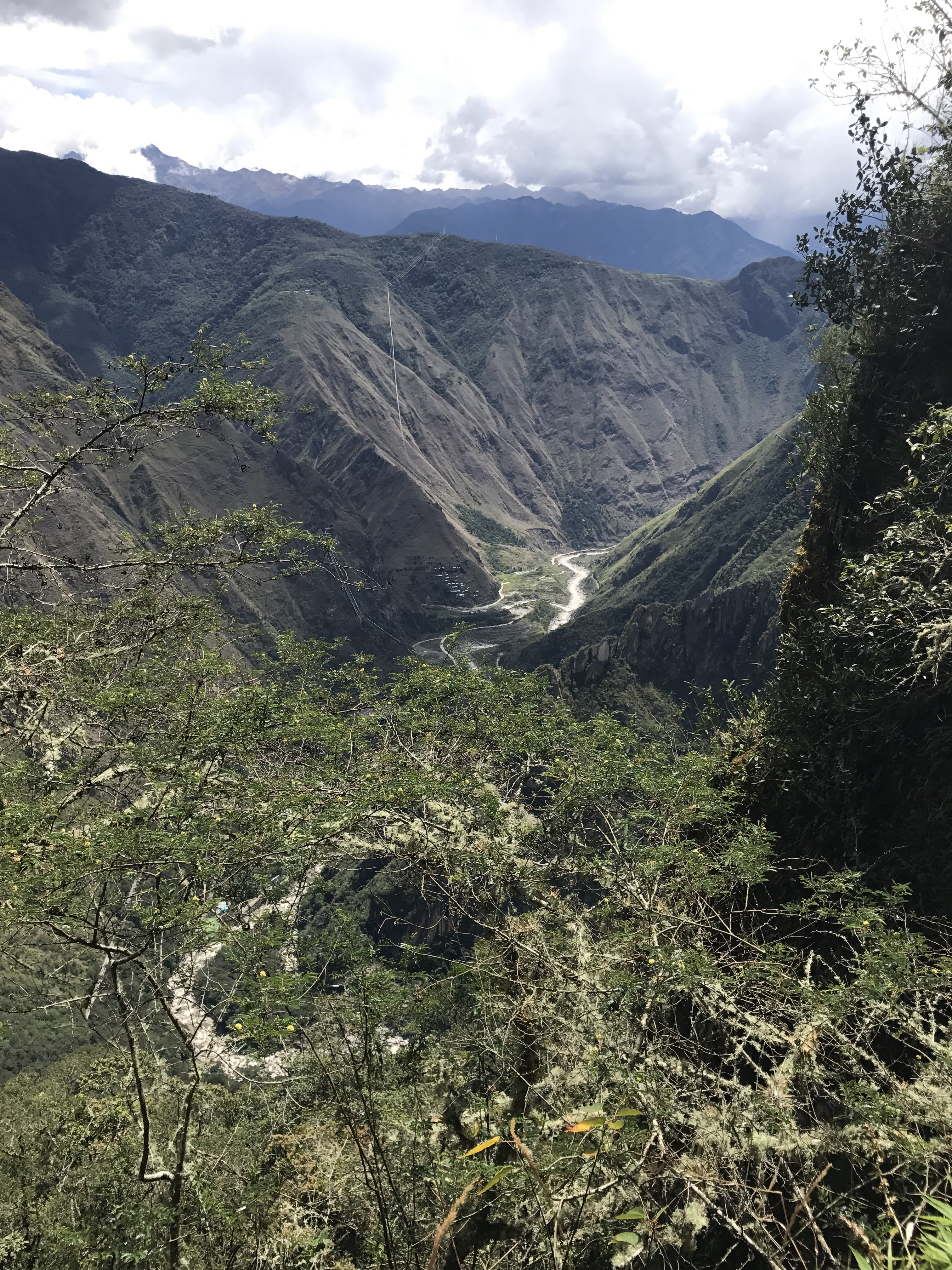
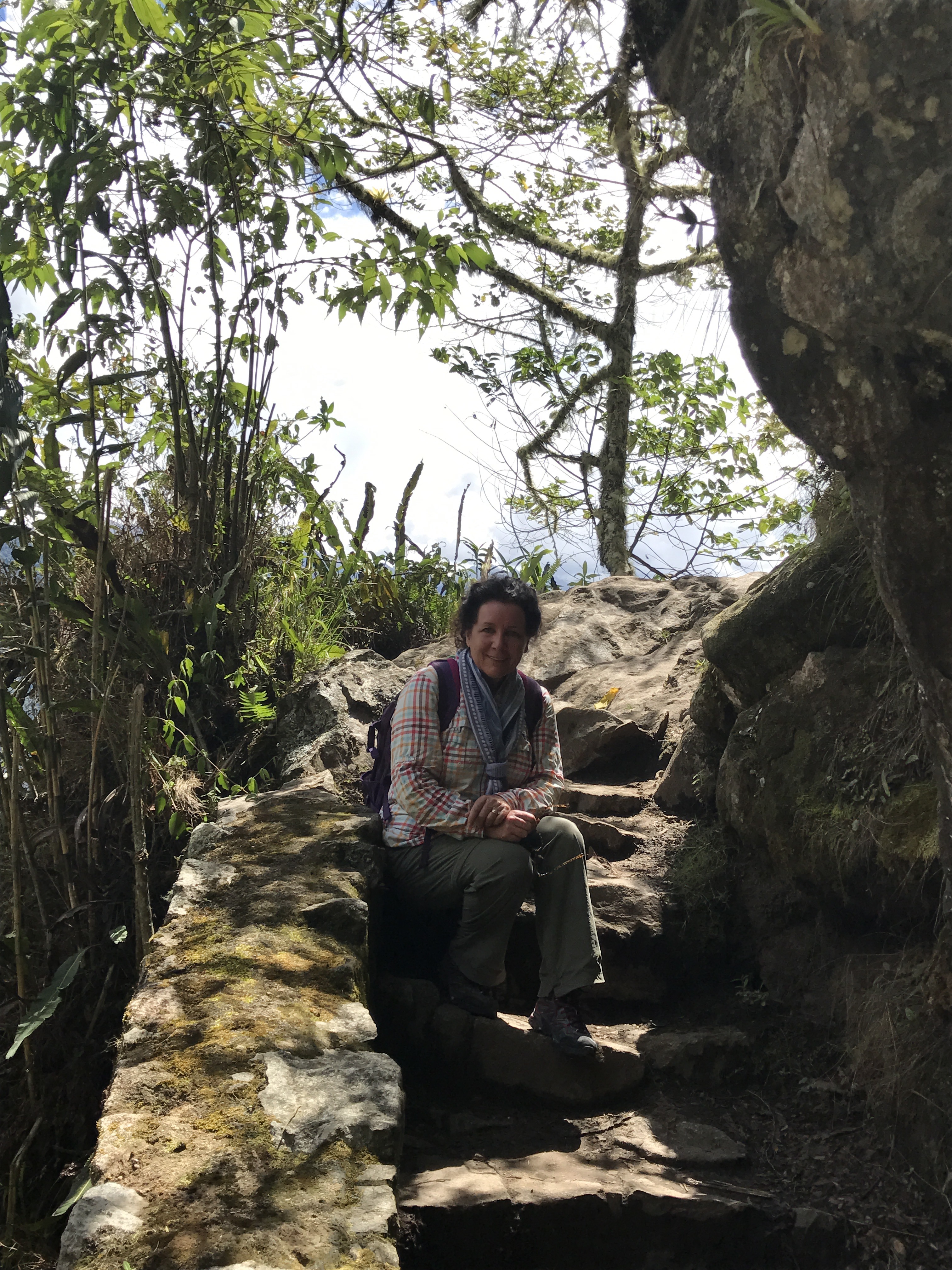
Kenko or Q’inqu

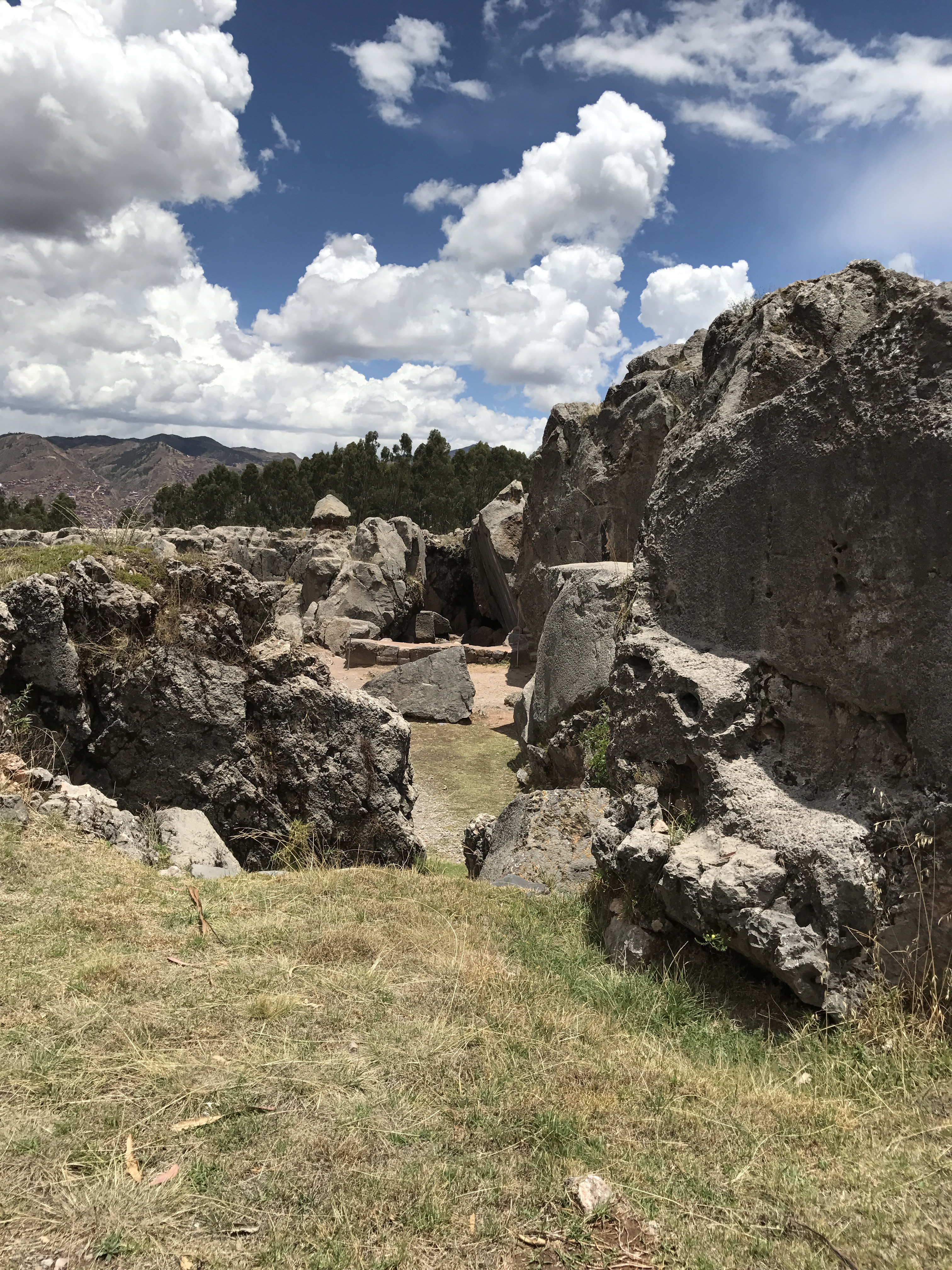
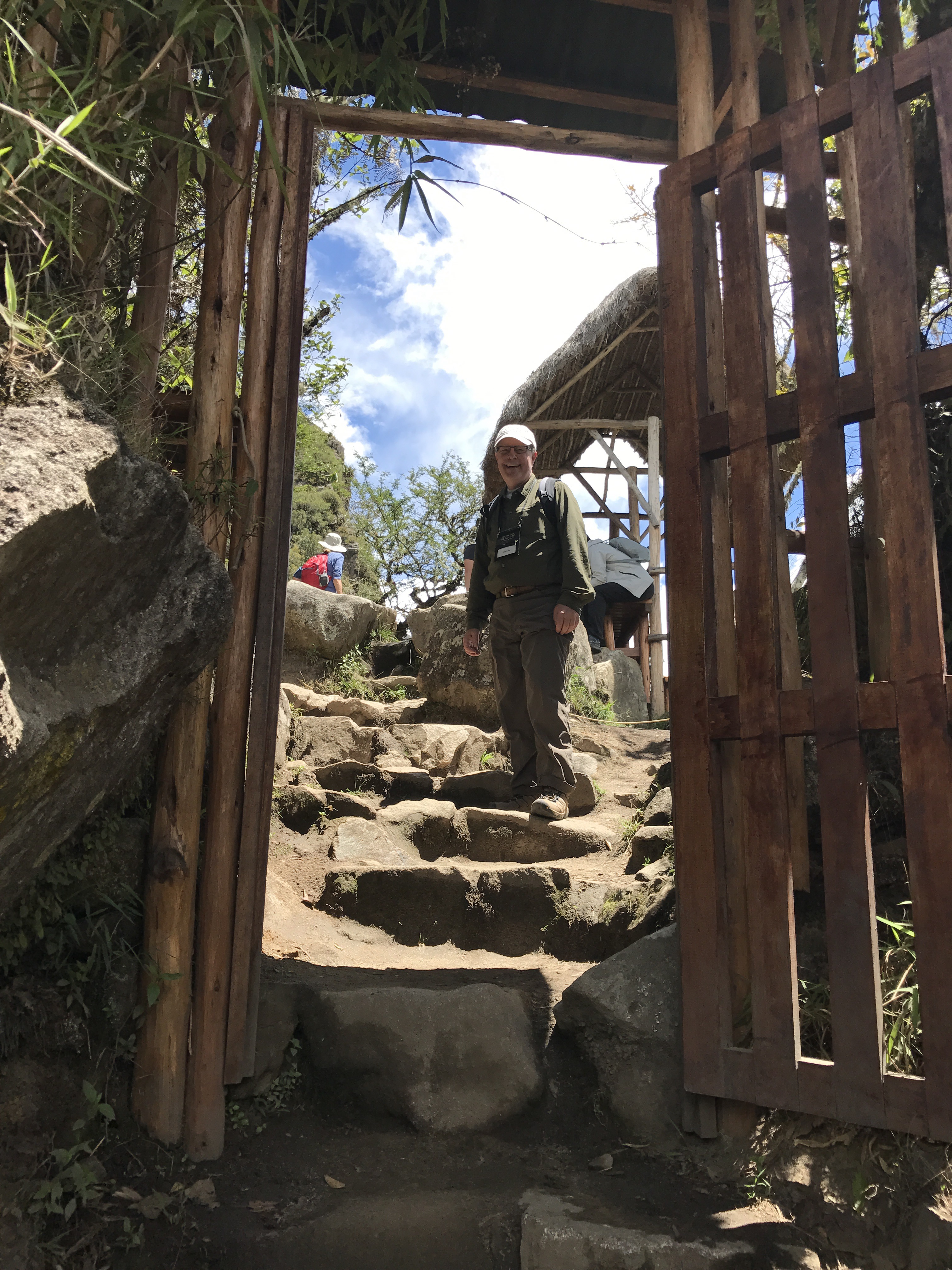
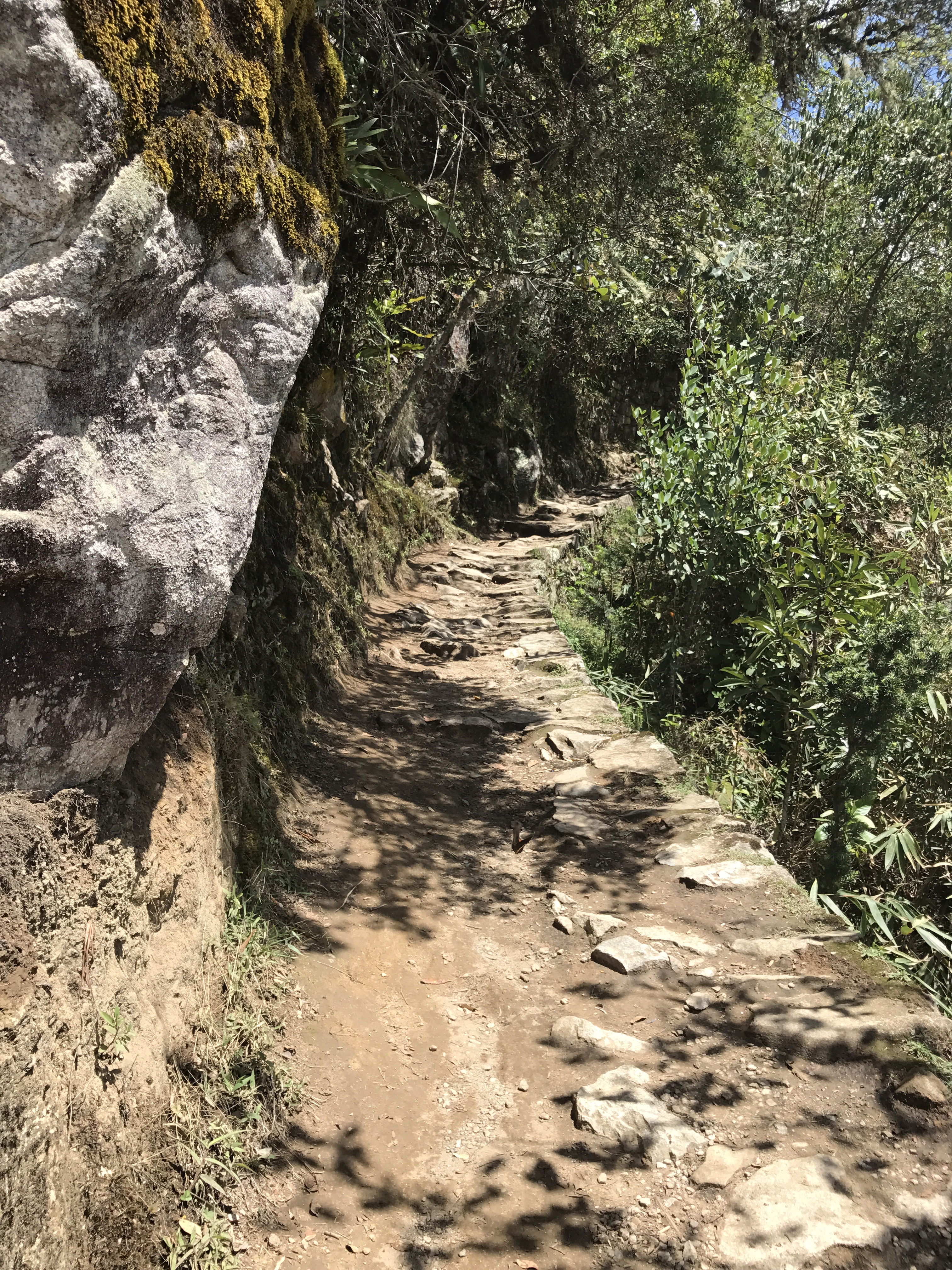
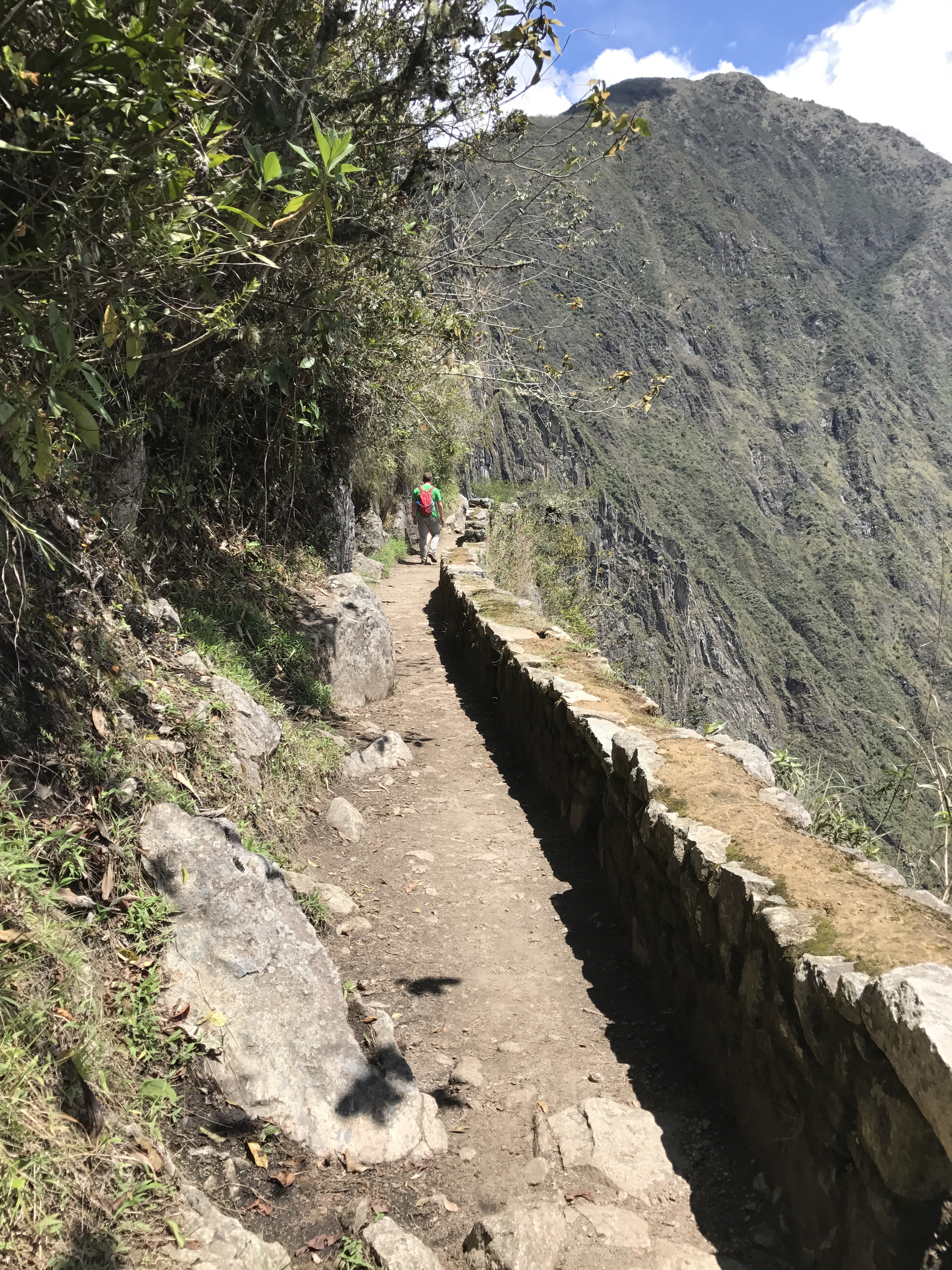
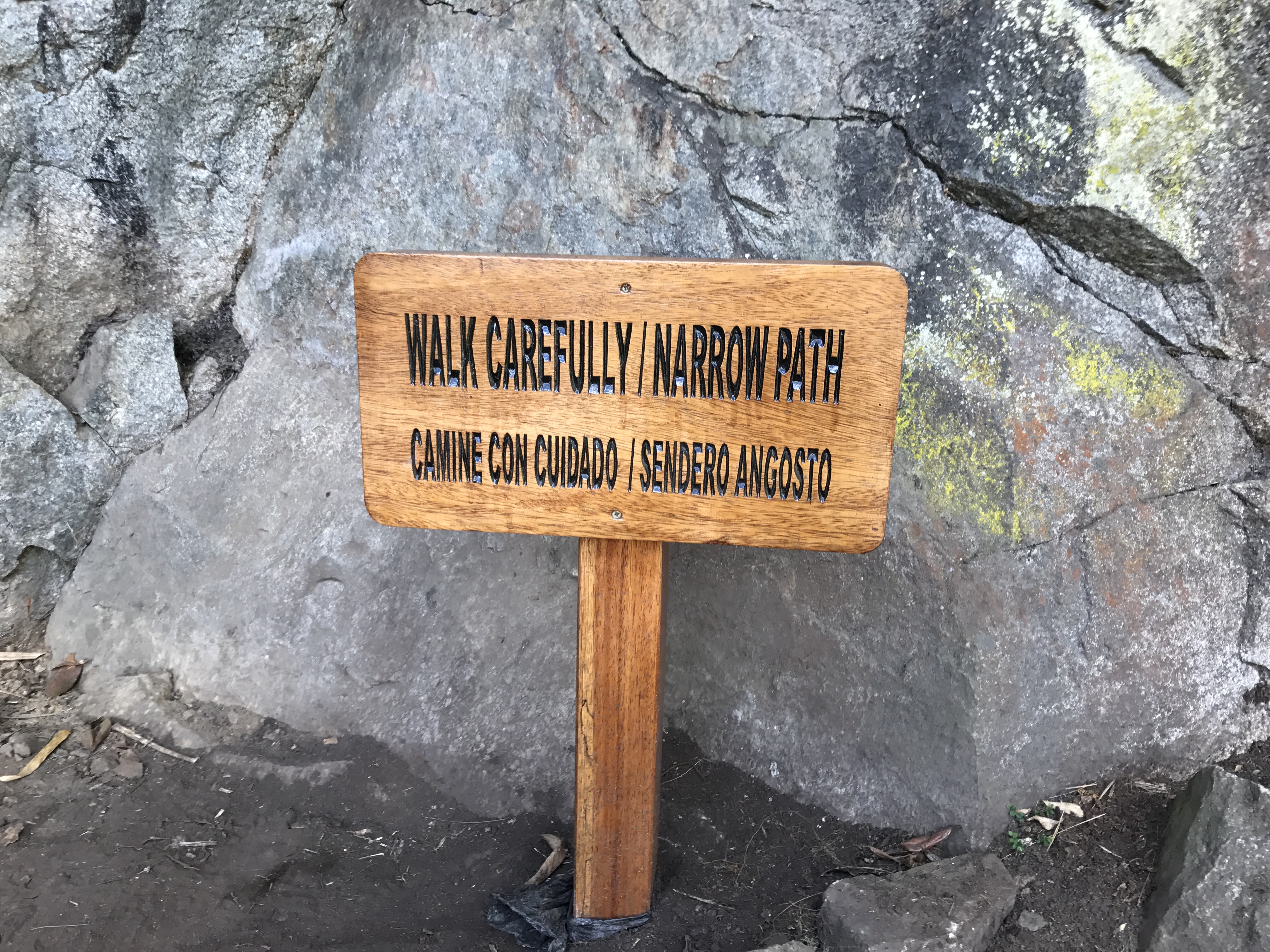
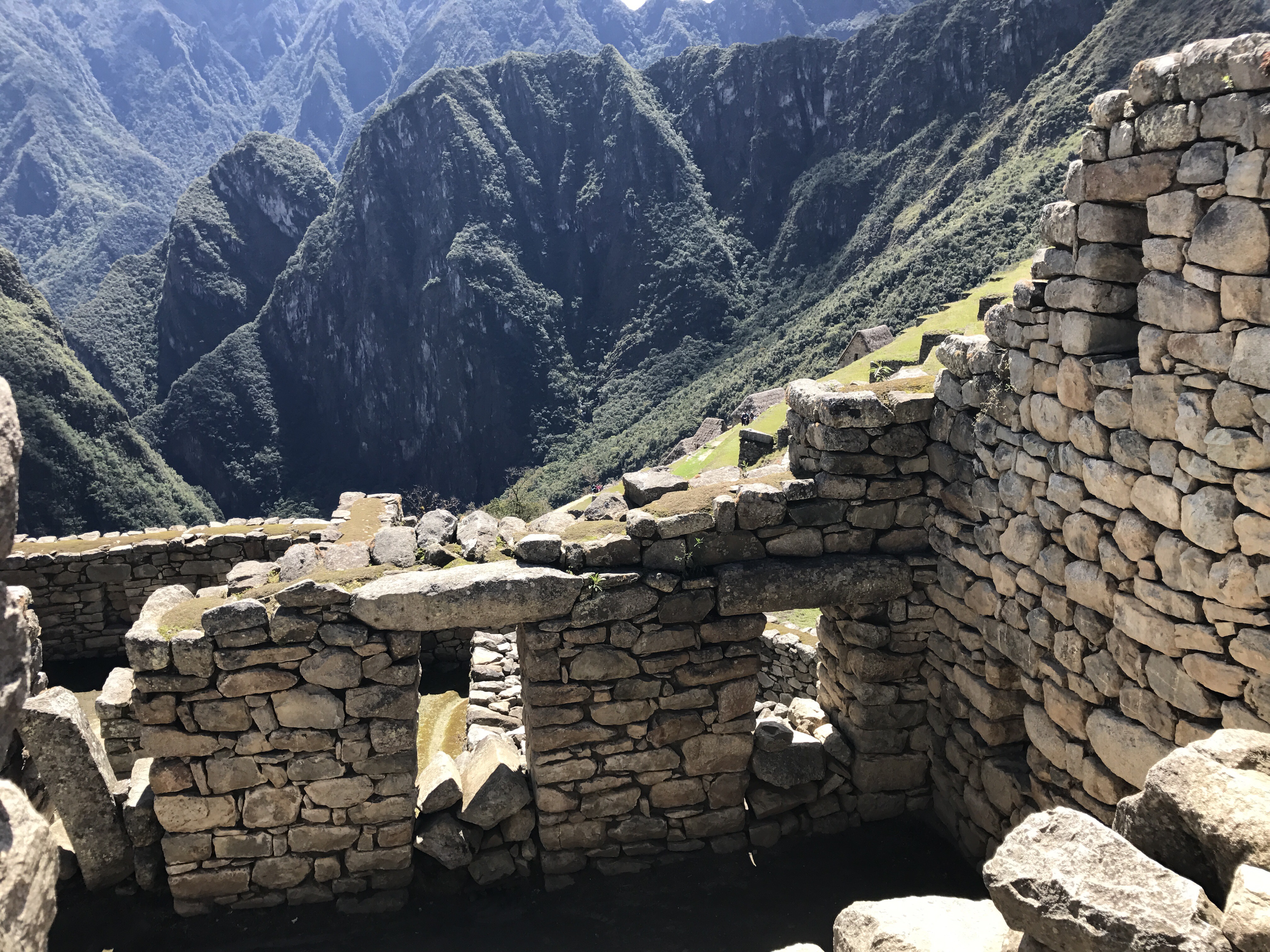
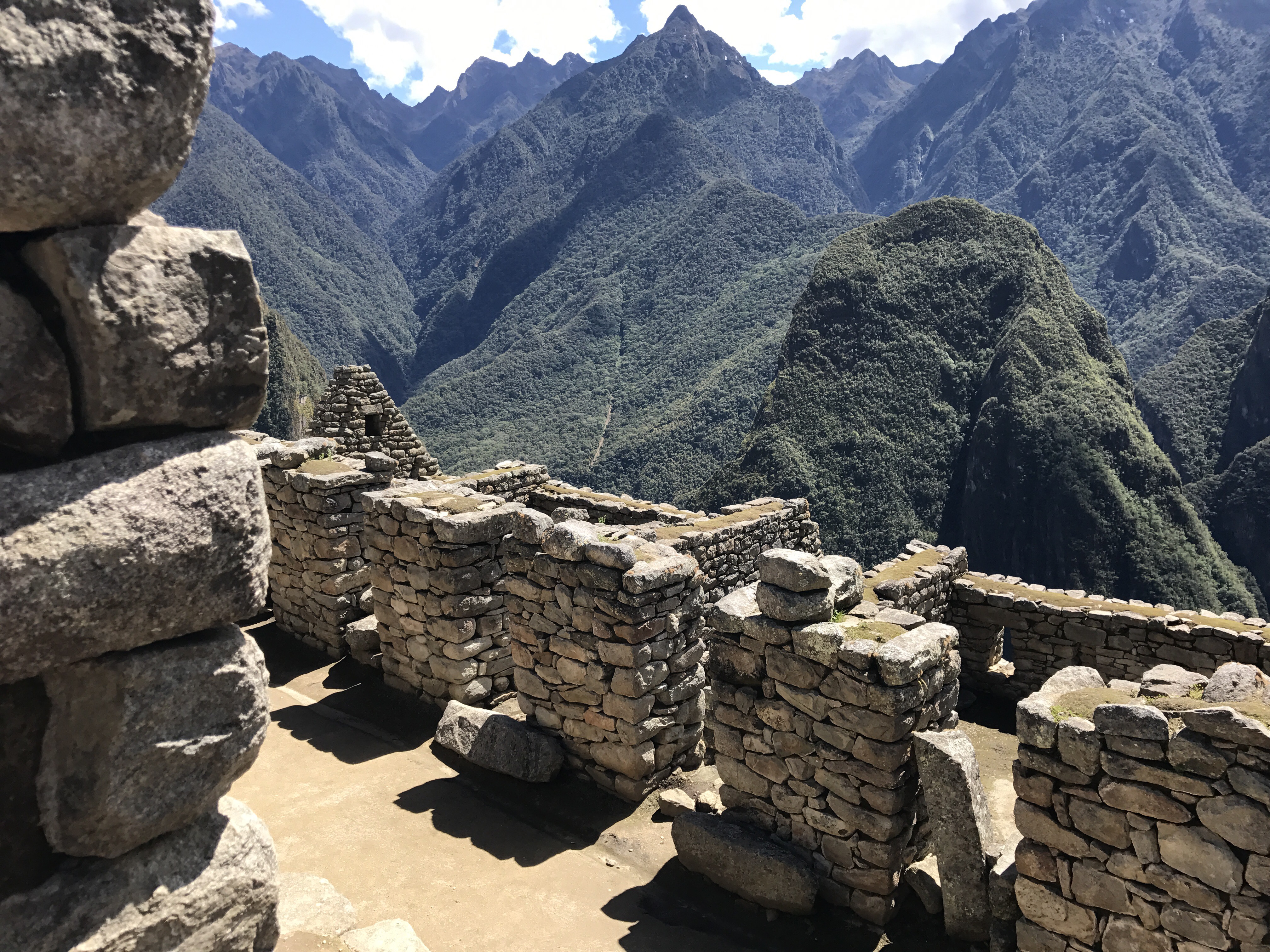
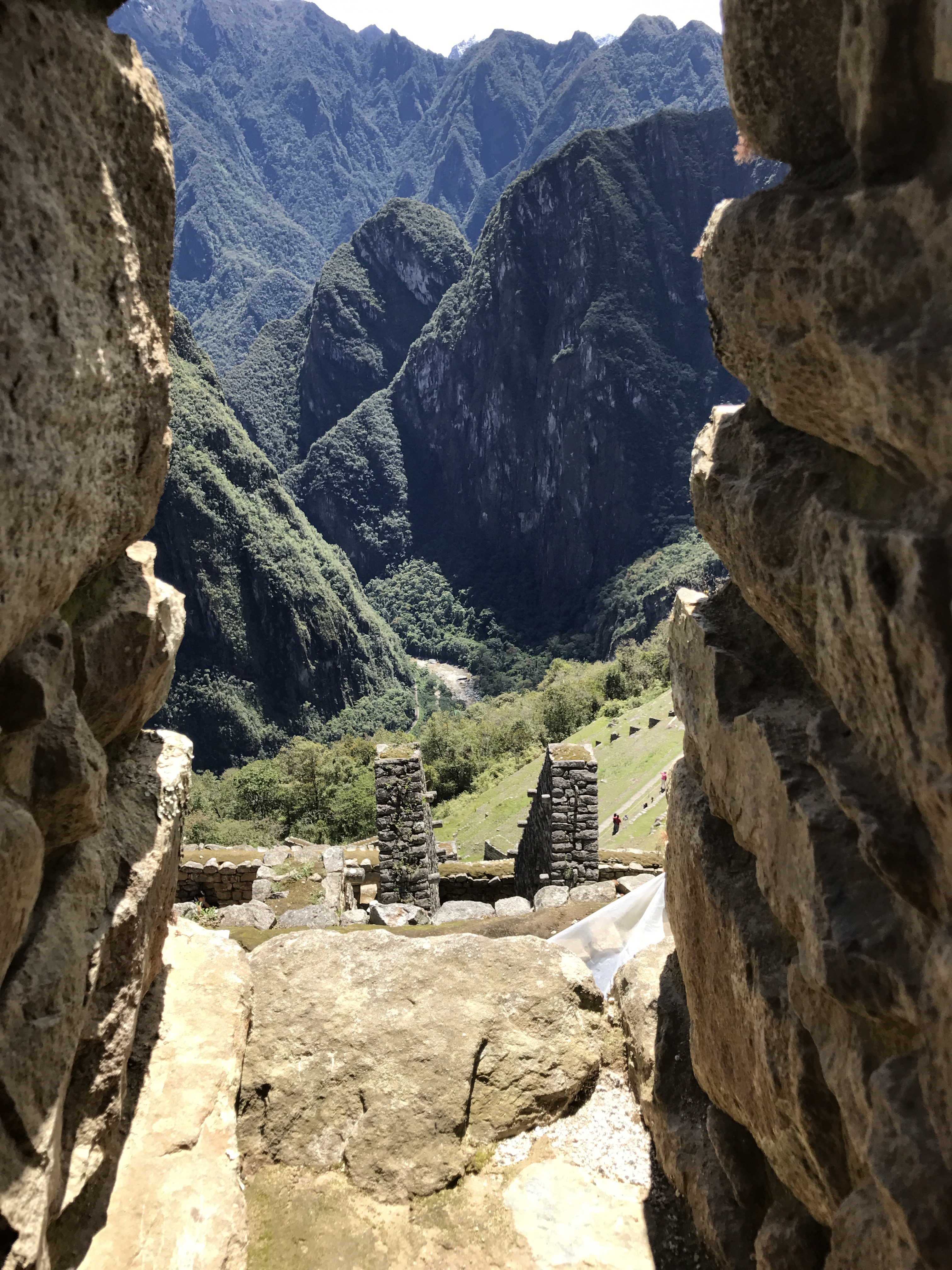
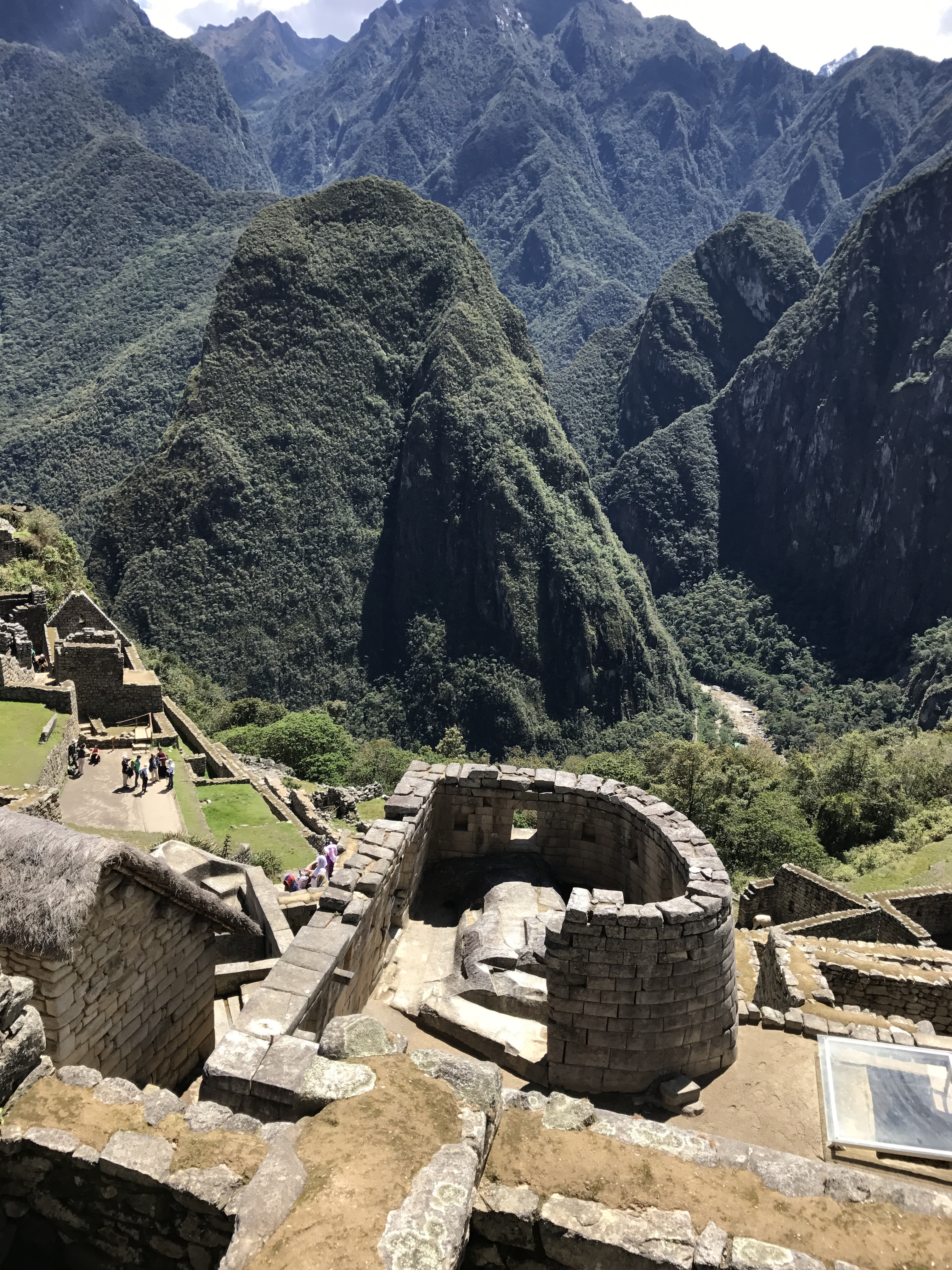
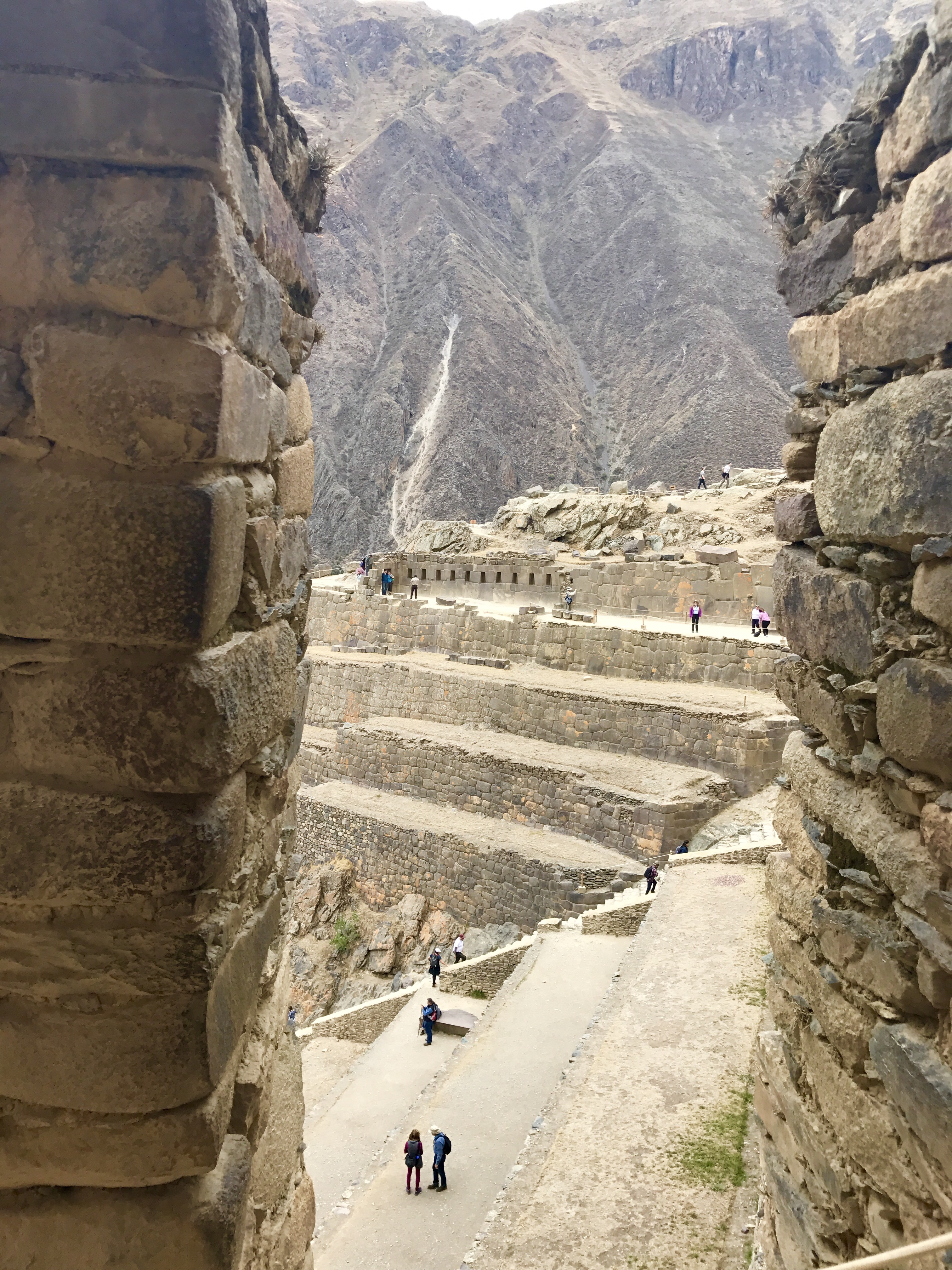
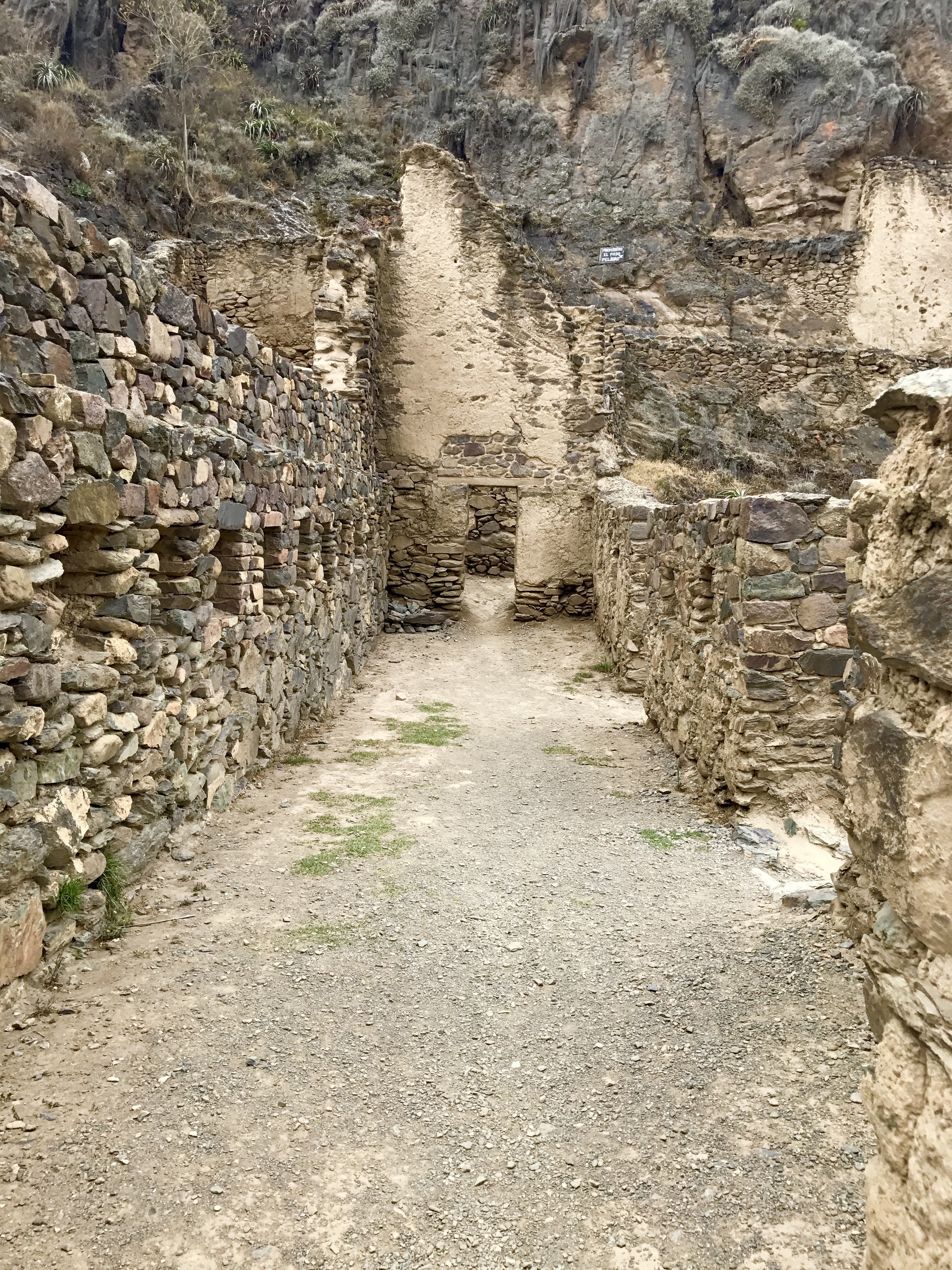
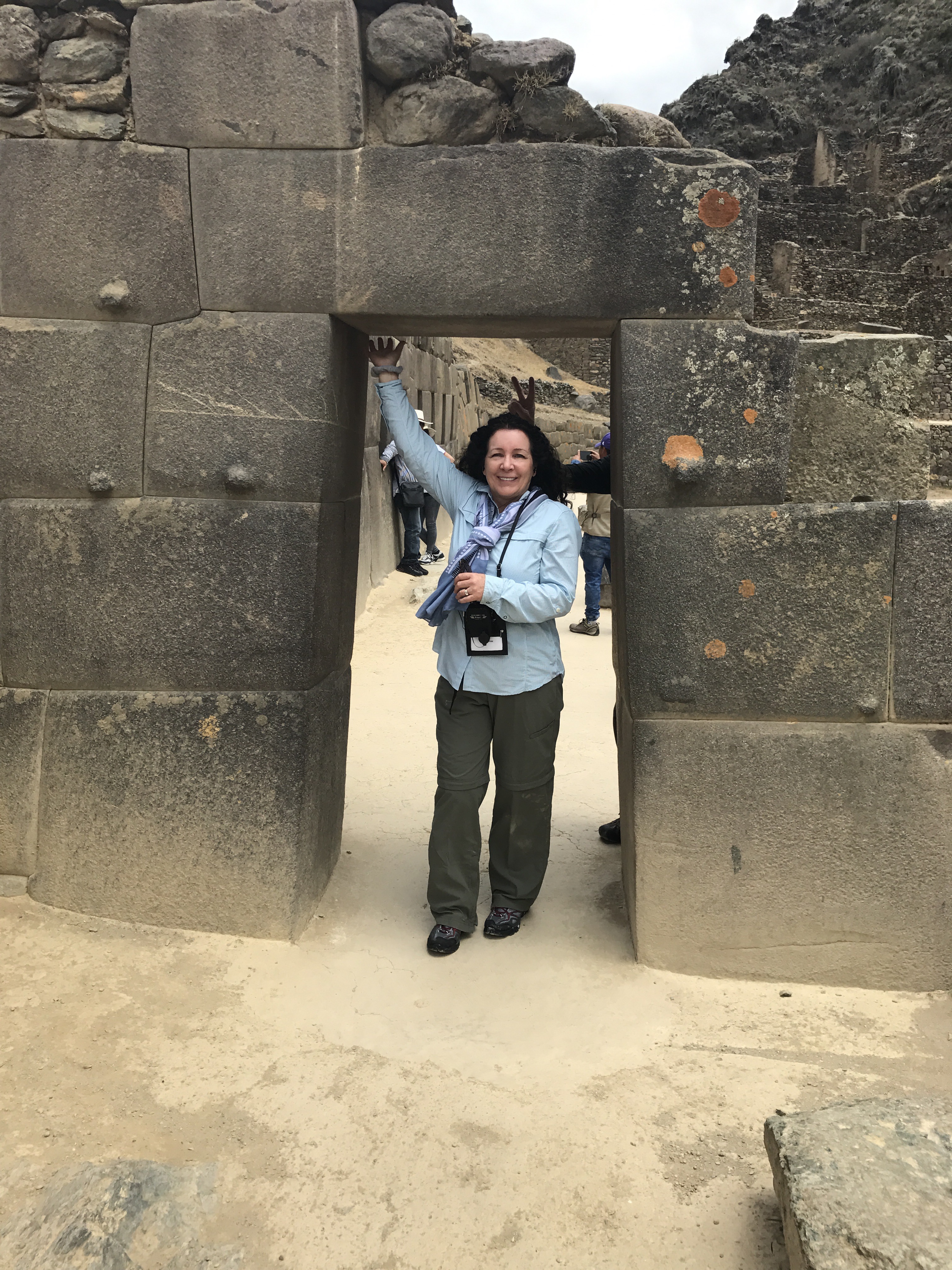
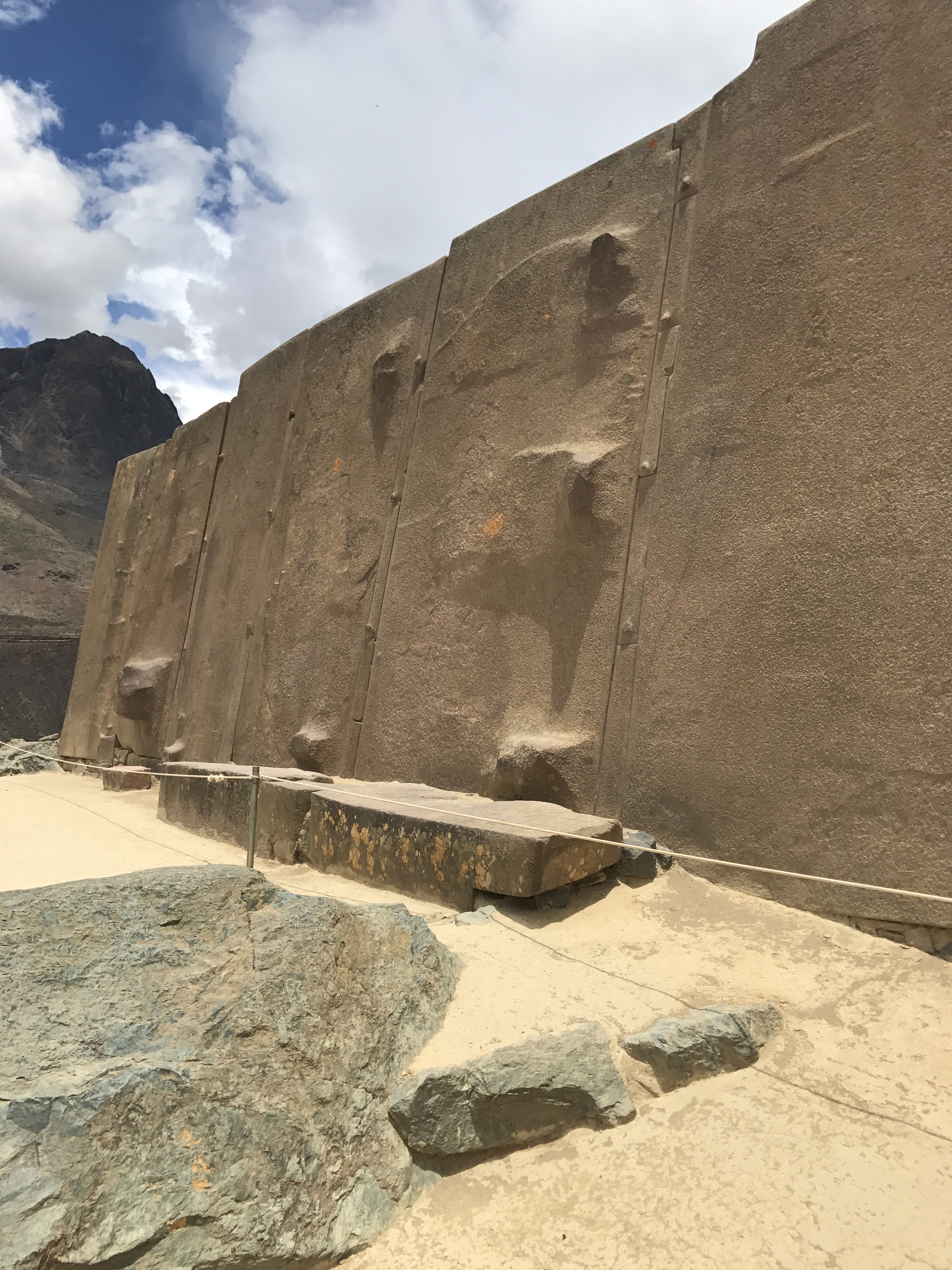
Kenko is a one of the largest wa’kas (holy sites) in the Sacred Valley where sacrifice and mummification may have taken place. 

A classic Inka wall layed out in a semi circular pattern faces an unfinished stone puma carving located above ground. 

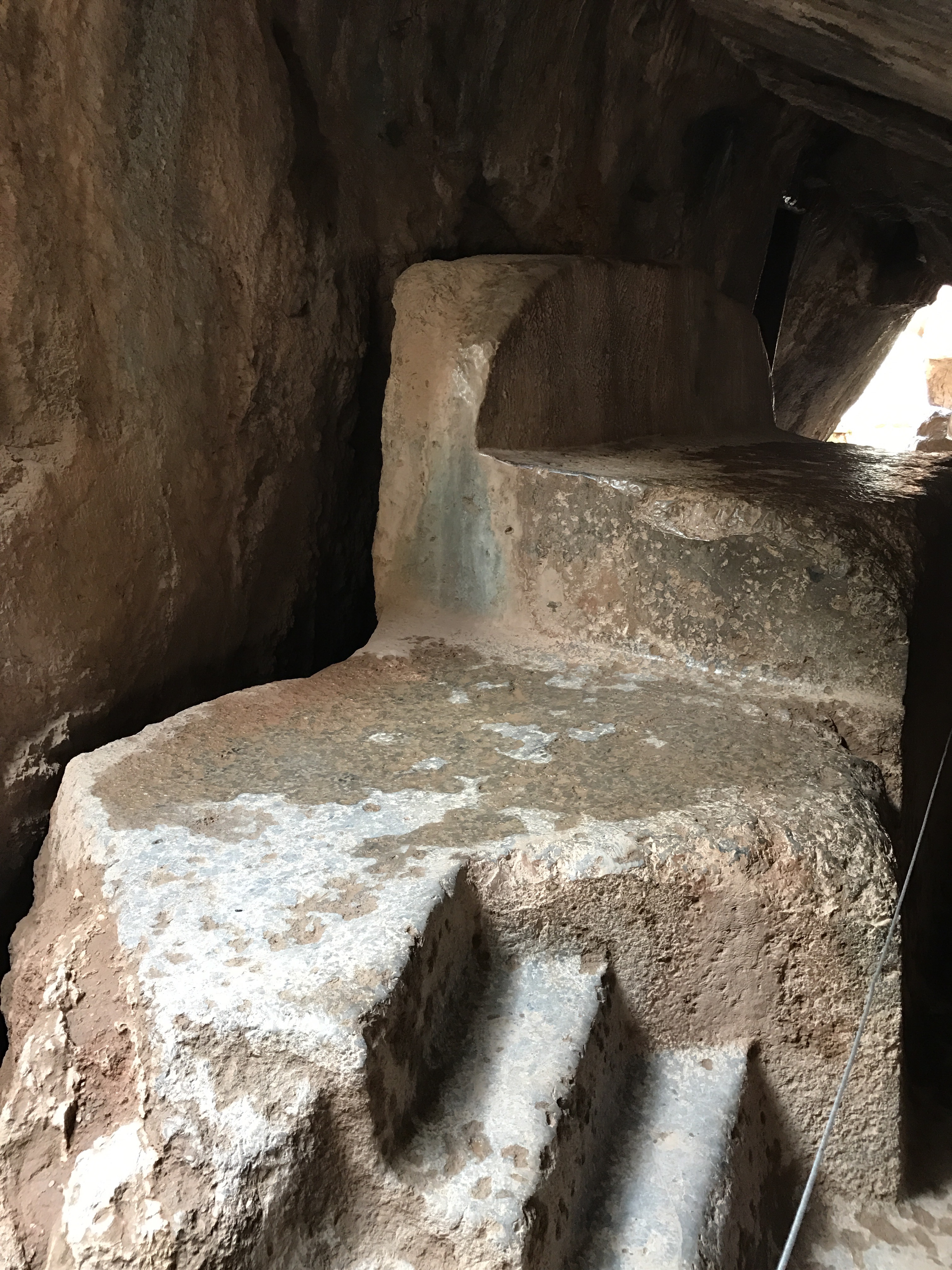
Behind this area are huge grey rocks that conceal a cave with a large ‘sacrificial’ altar. 

Last moments Machu Picchu

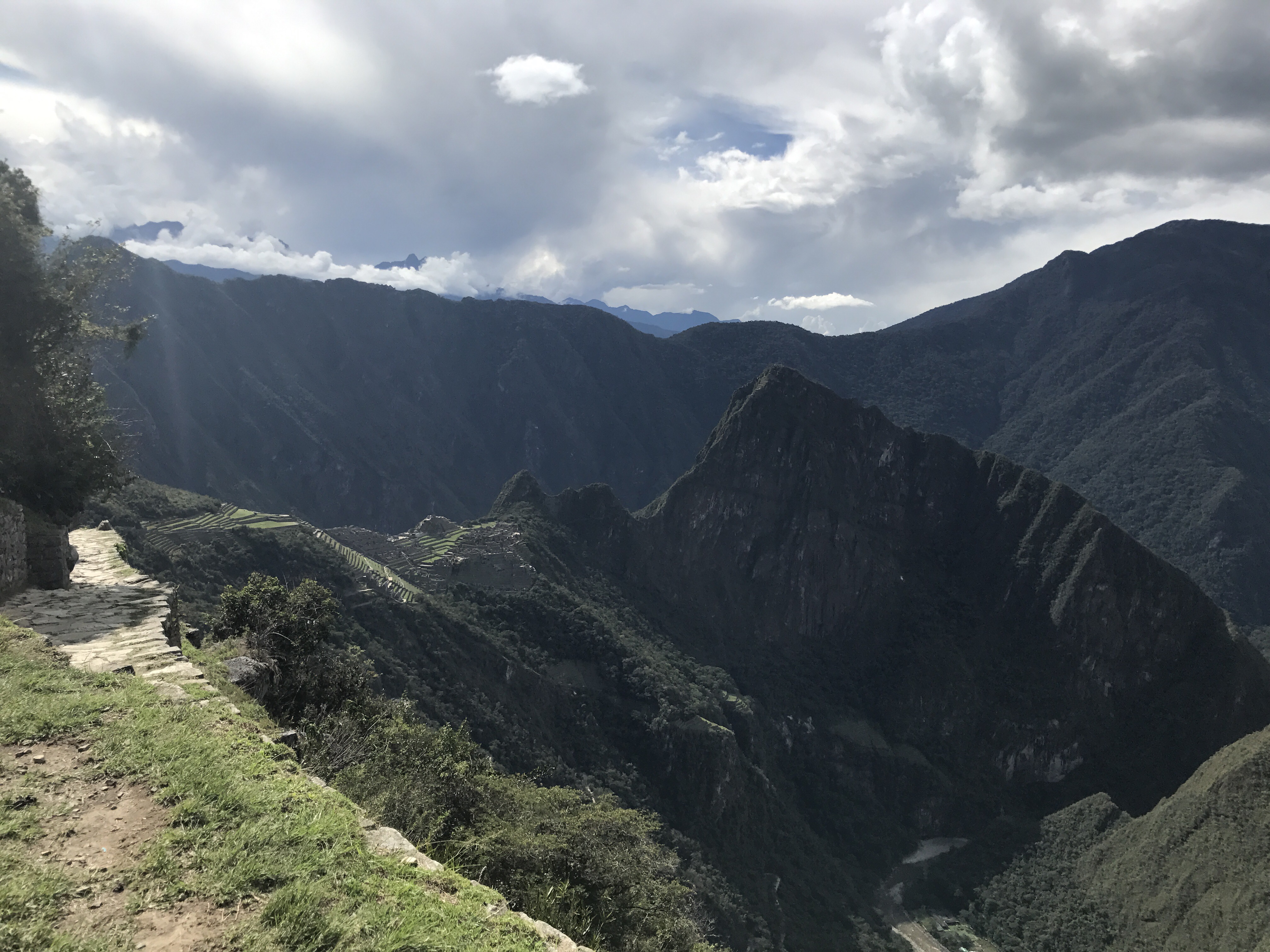
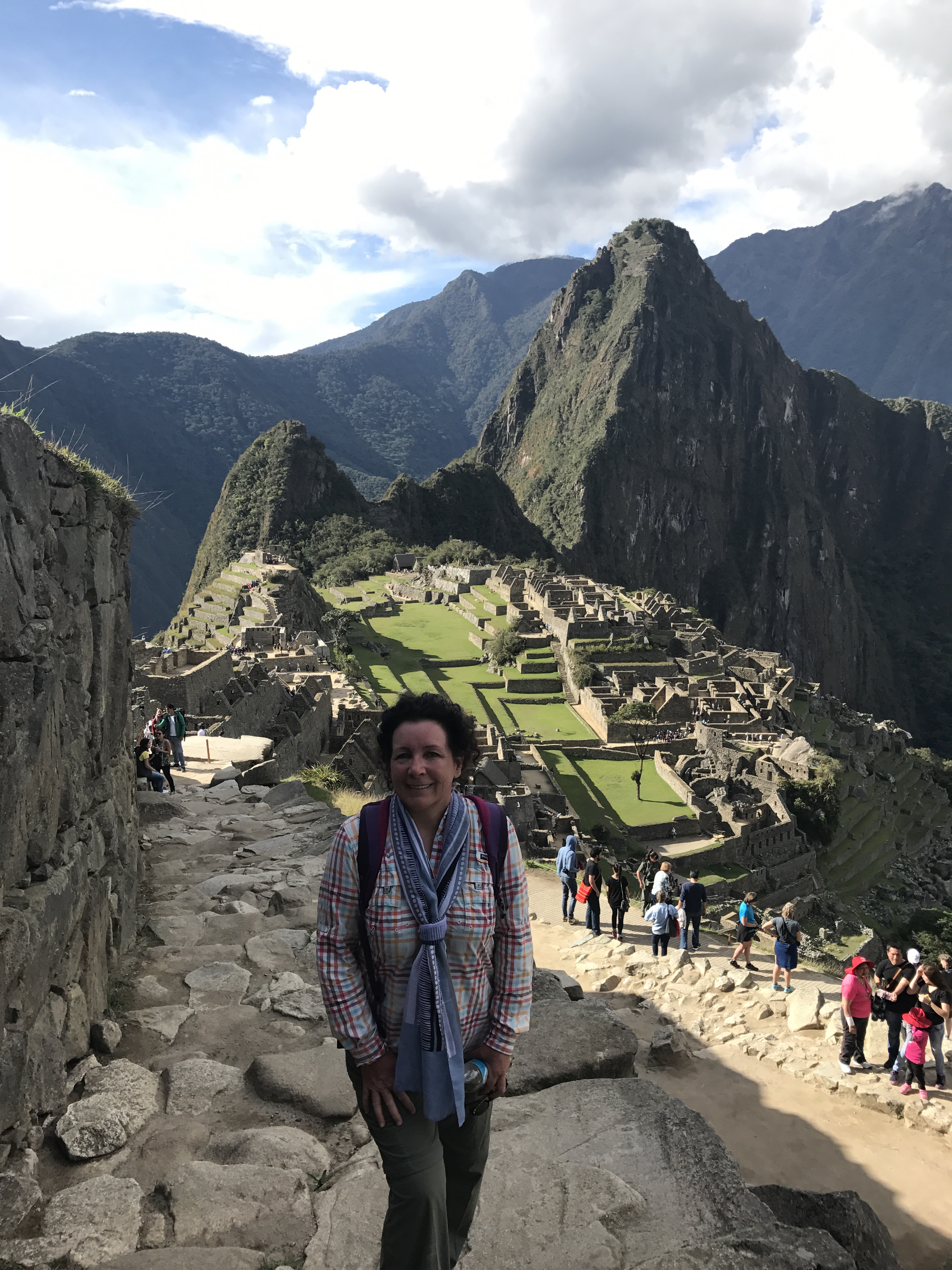
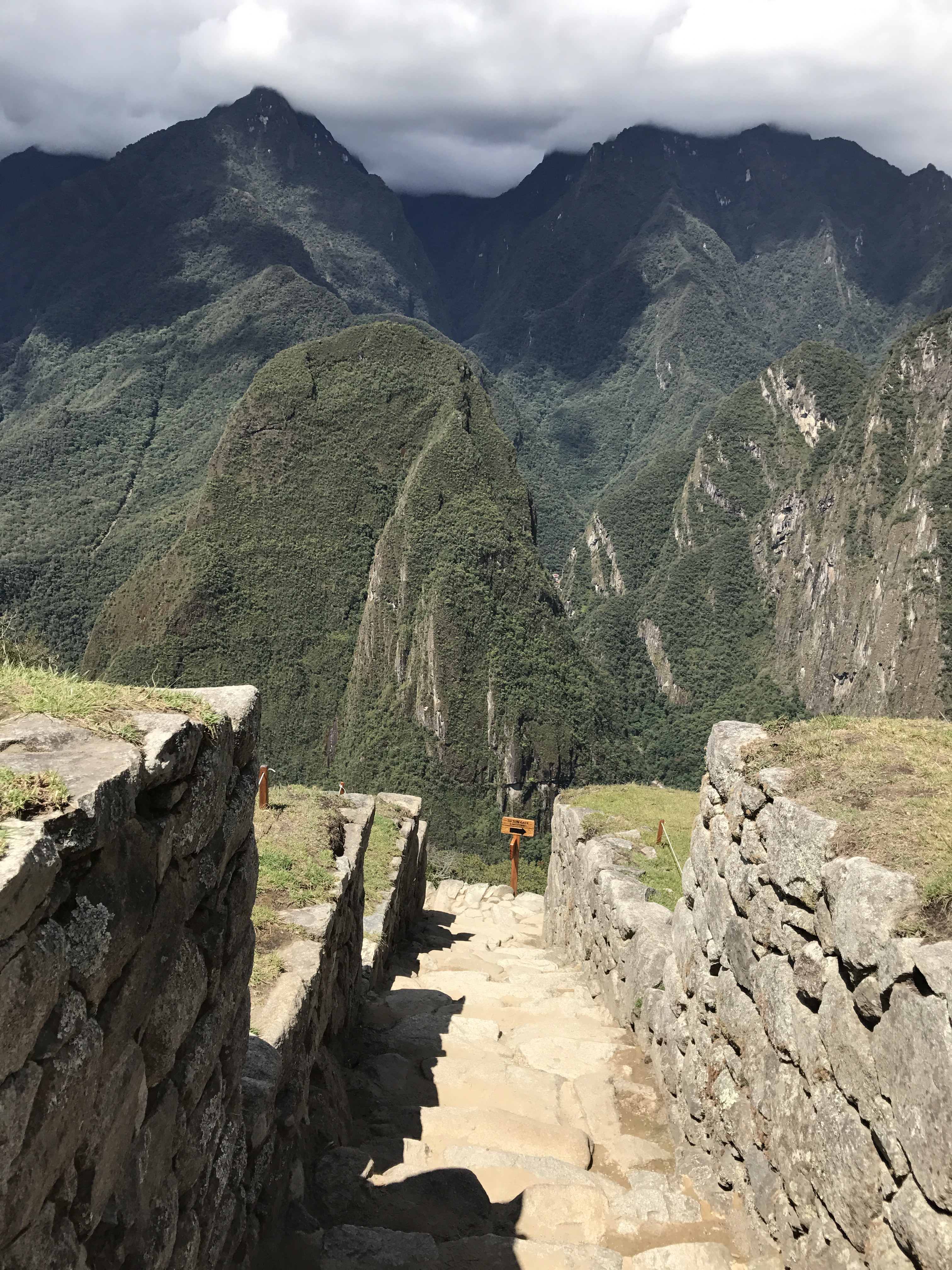
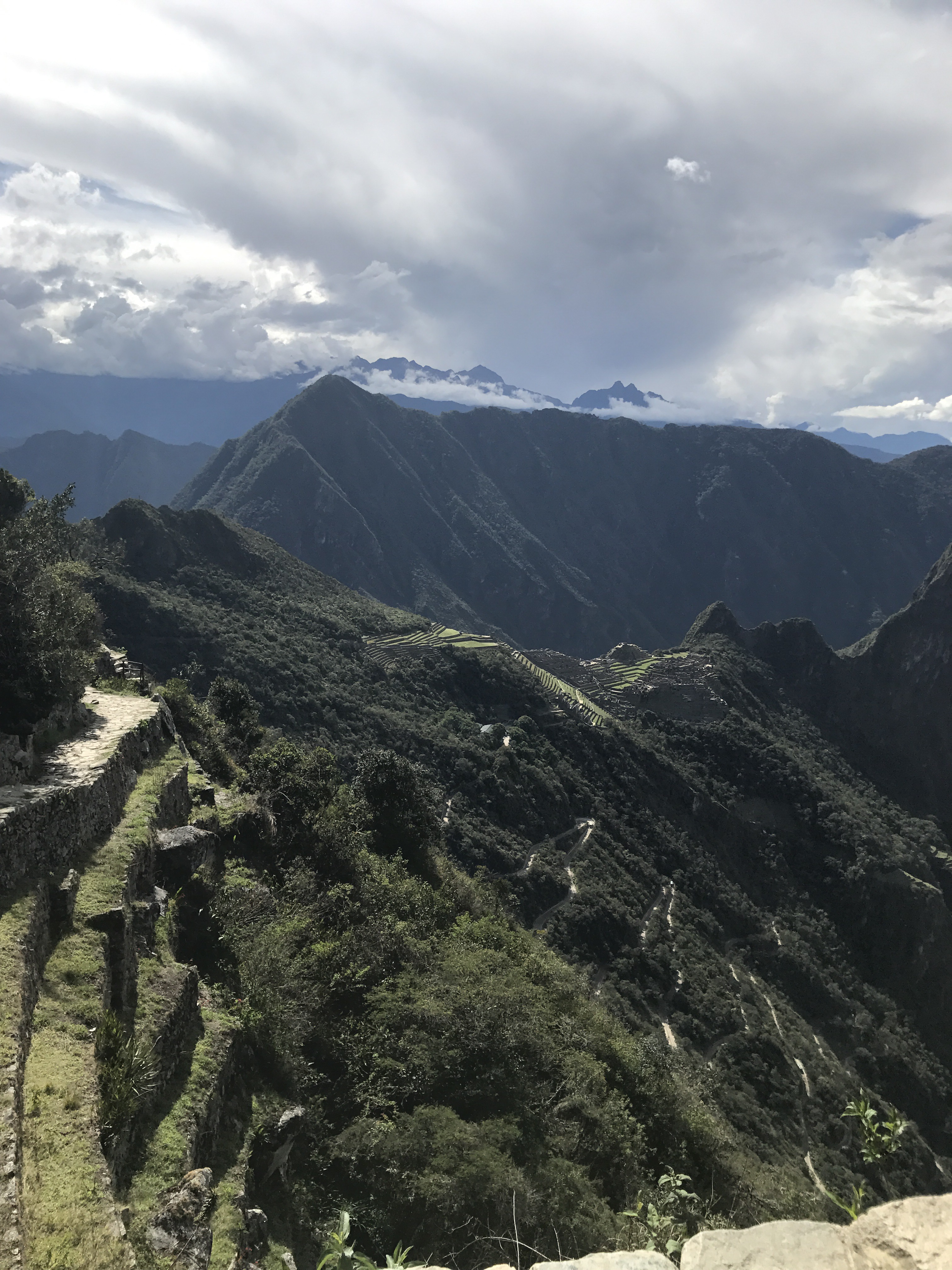
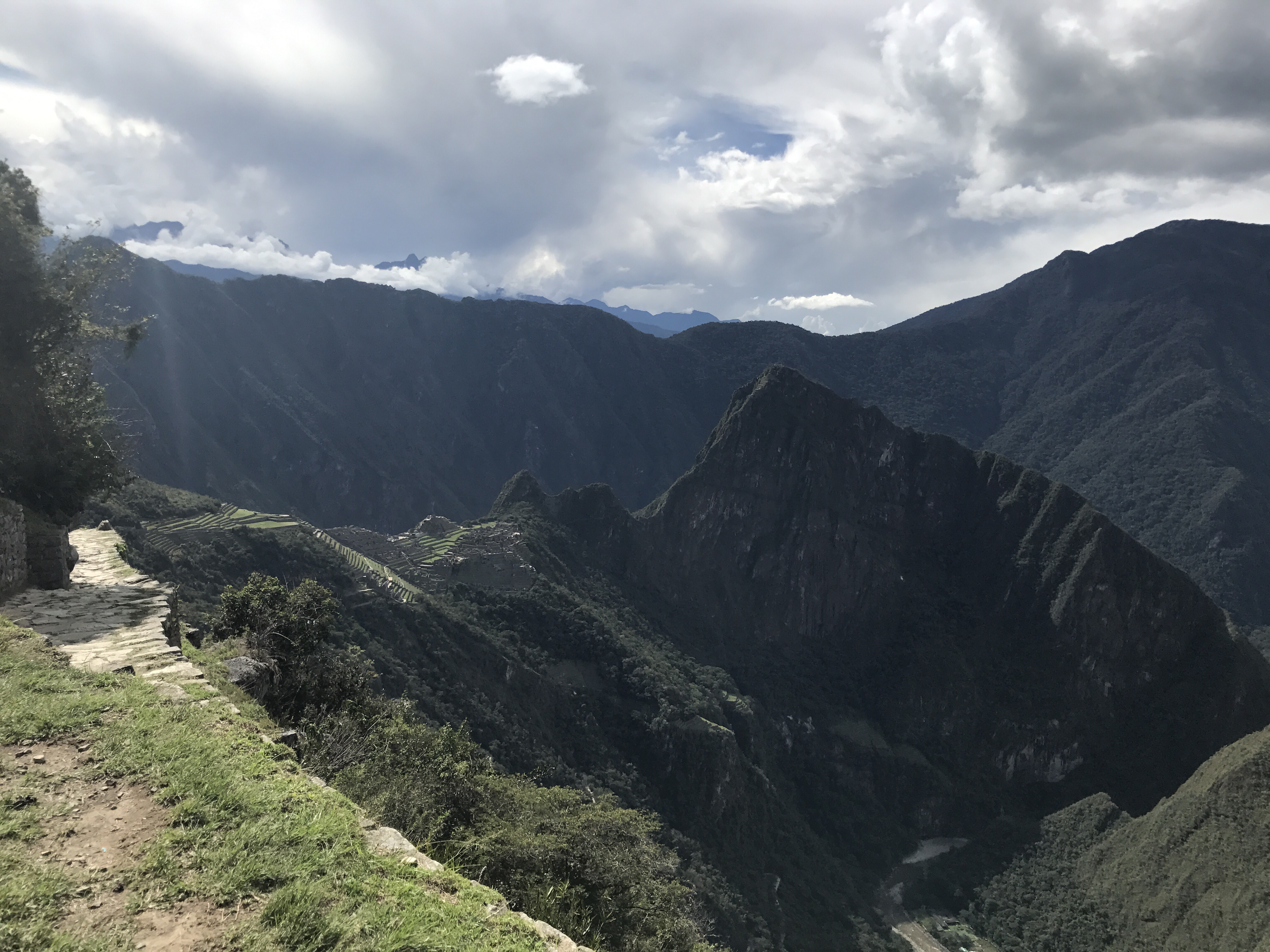
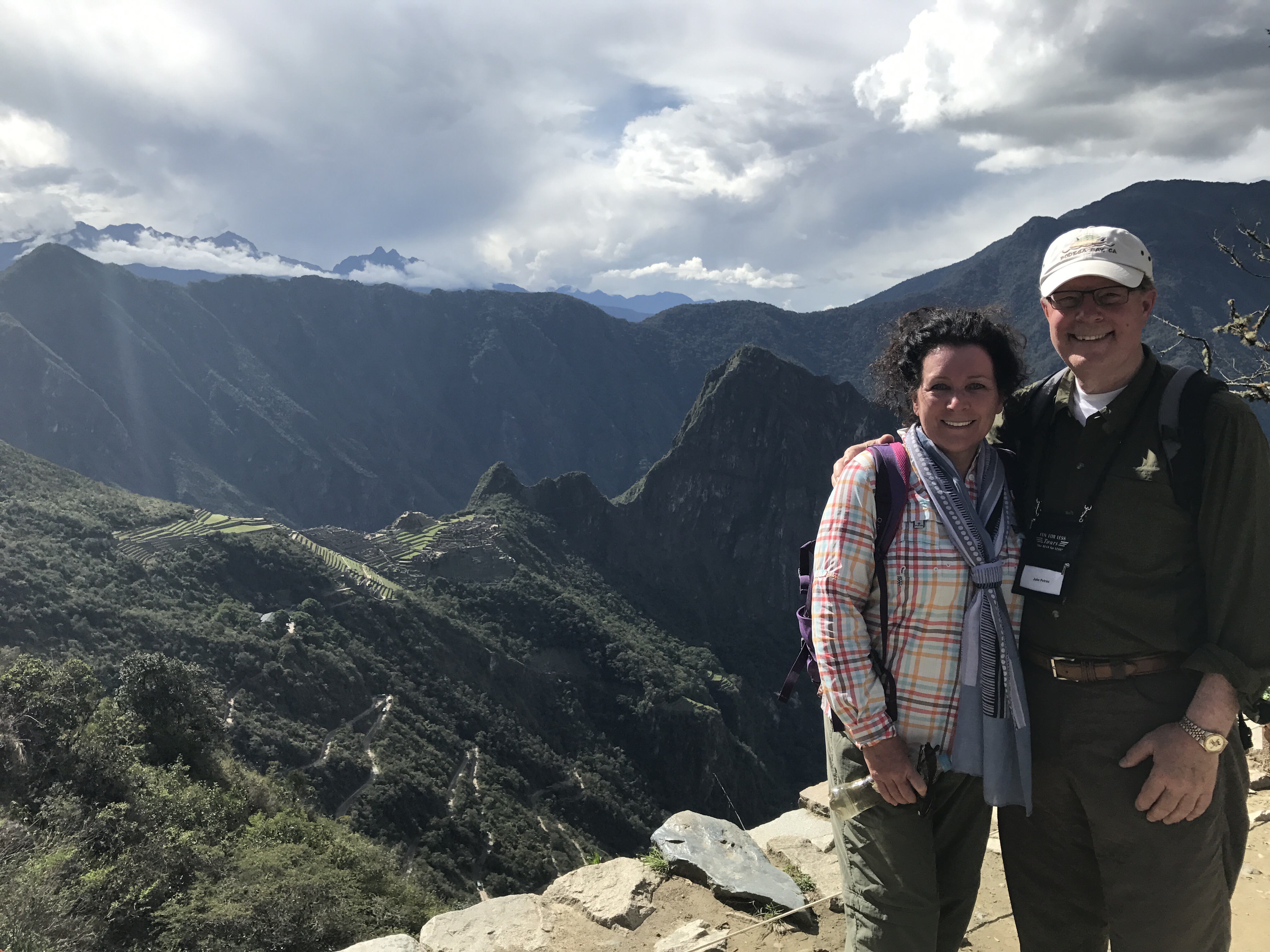
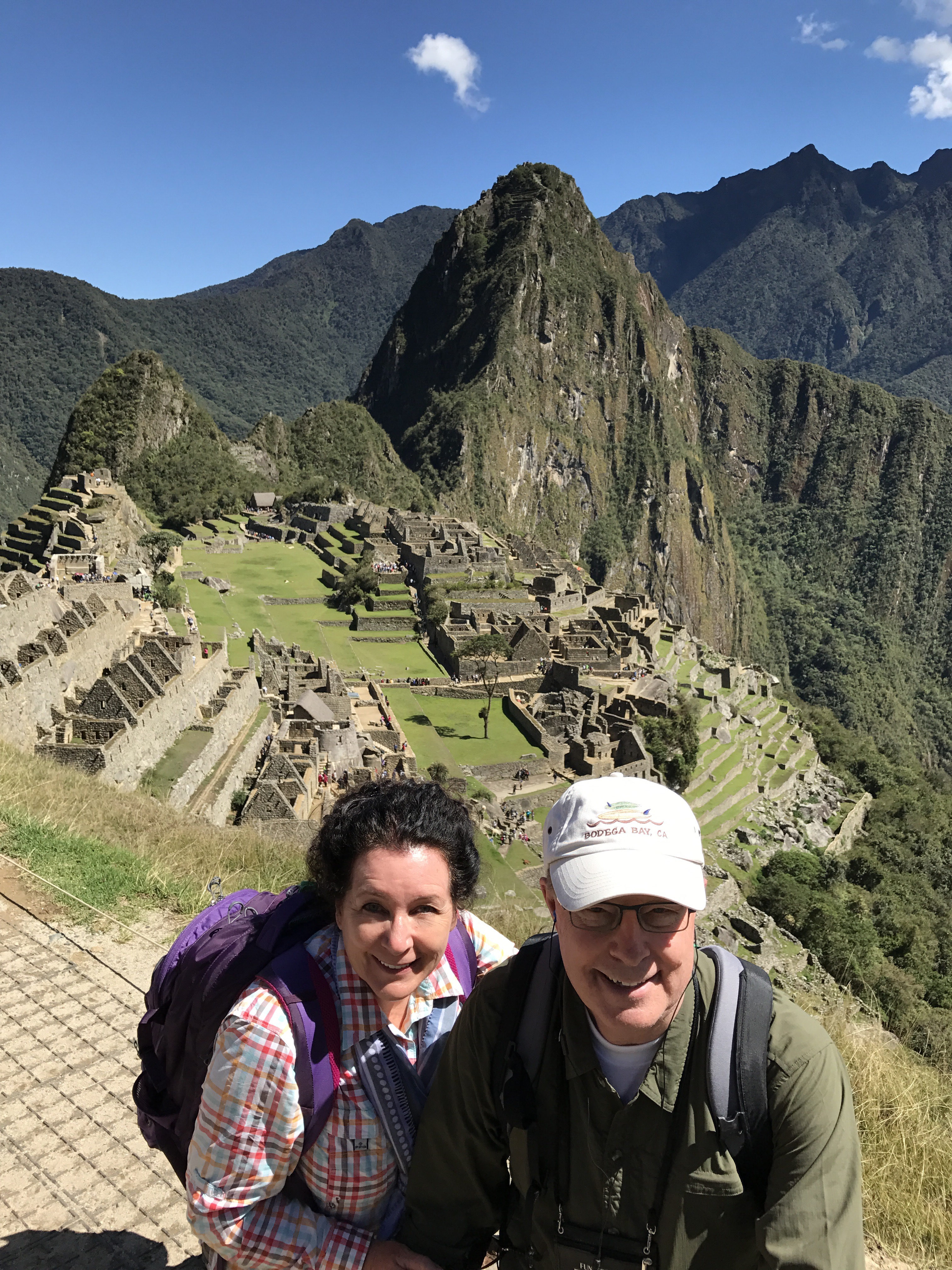
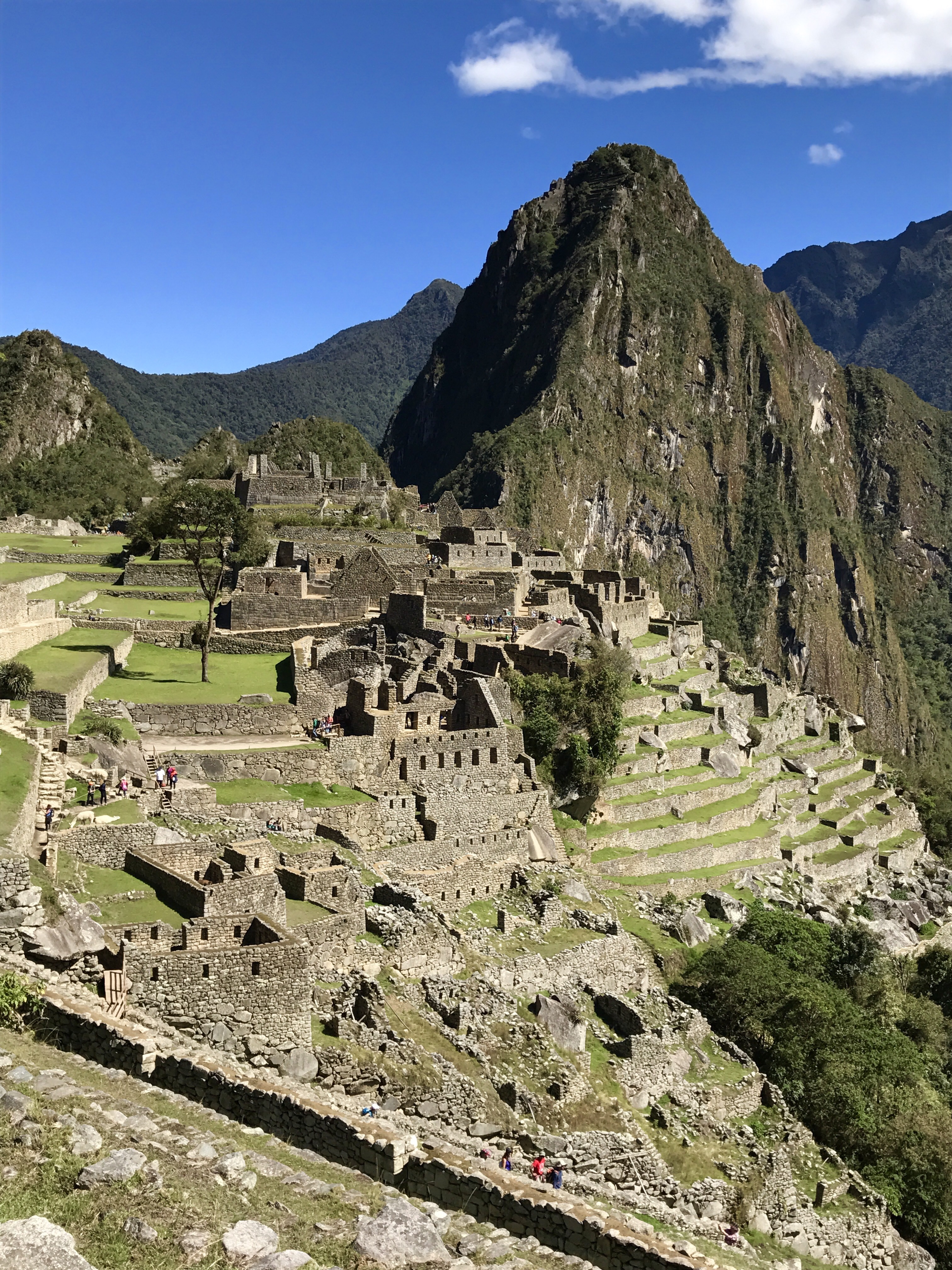
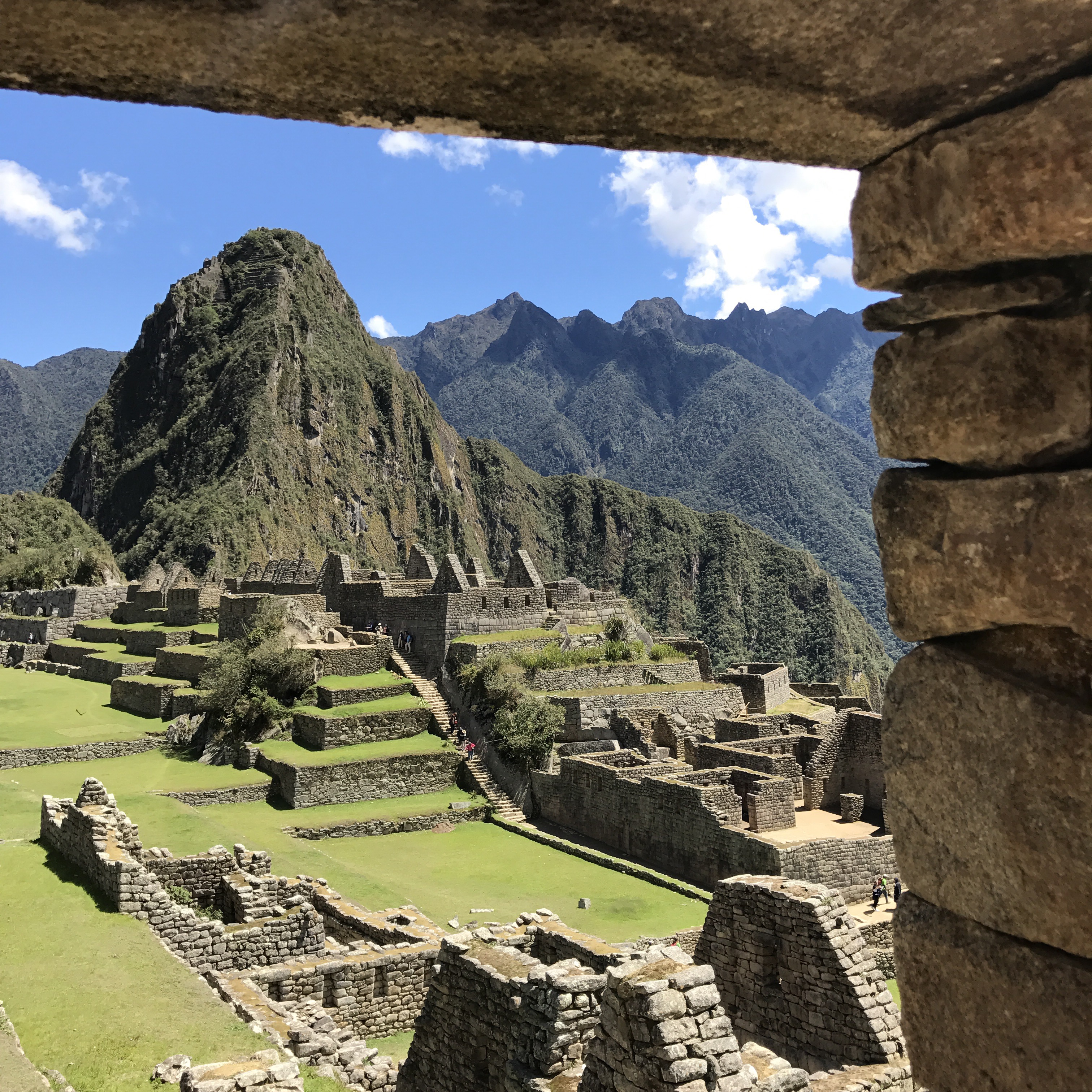
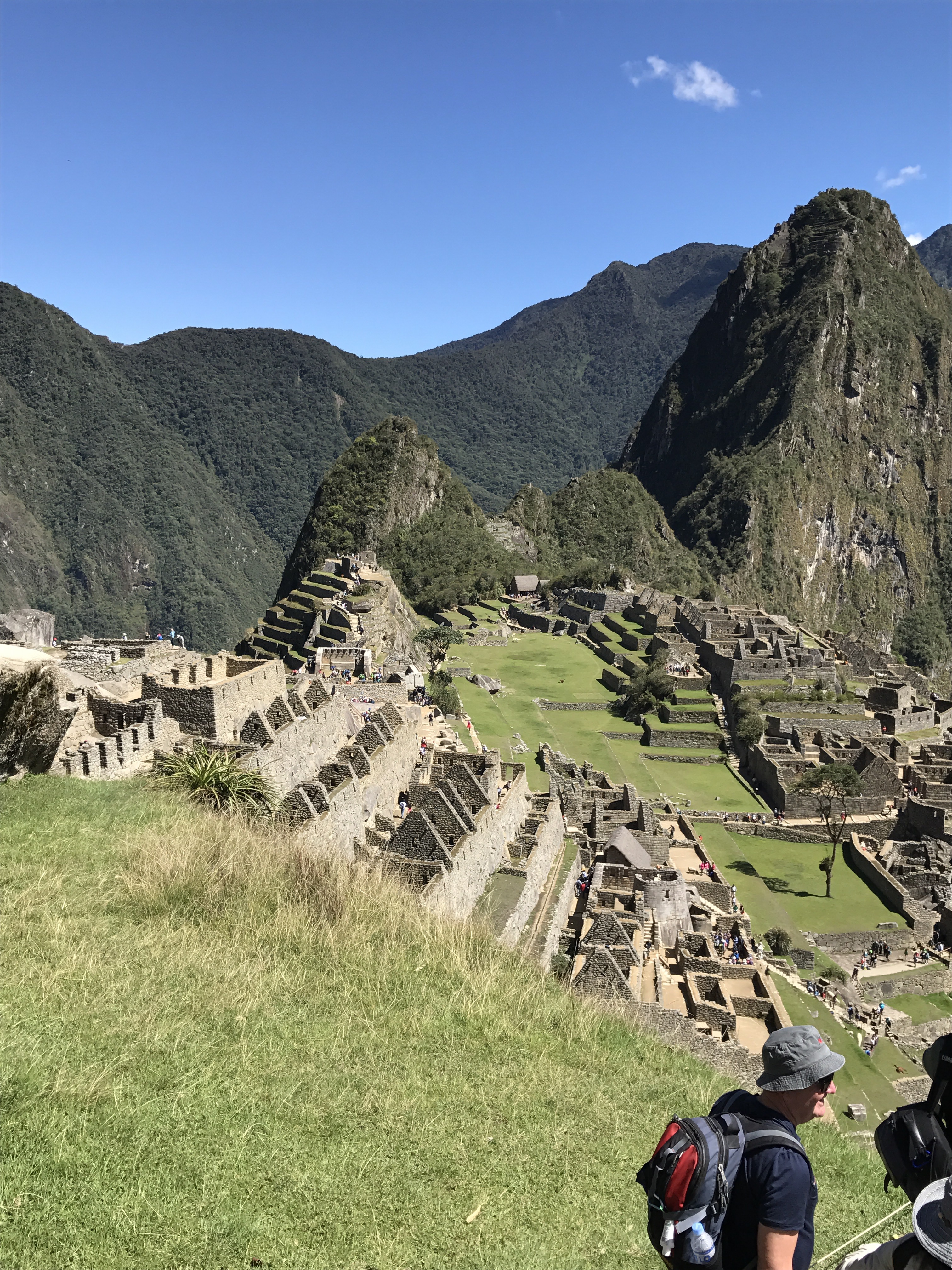
We had a wonderful adventure in Machu Picchu. The hike down from the Sun Gate was spectacular with views of the valley, mountains, jungle, and Machu Picchu. Can you find the citadel in this pic?

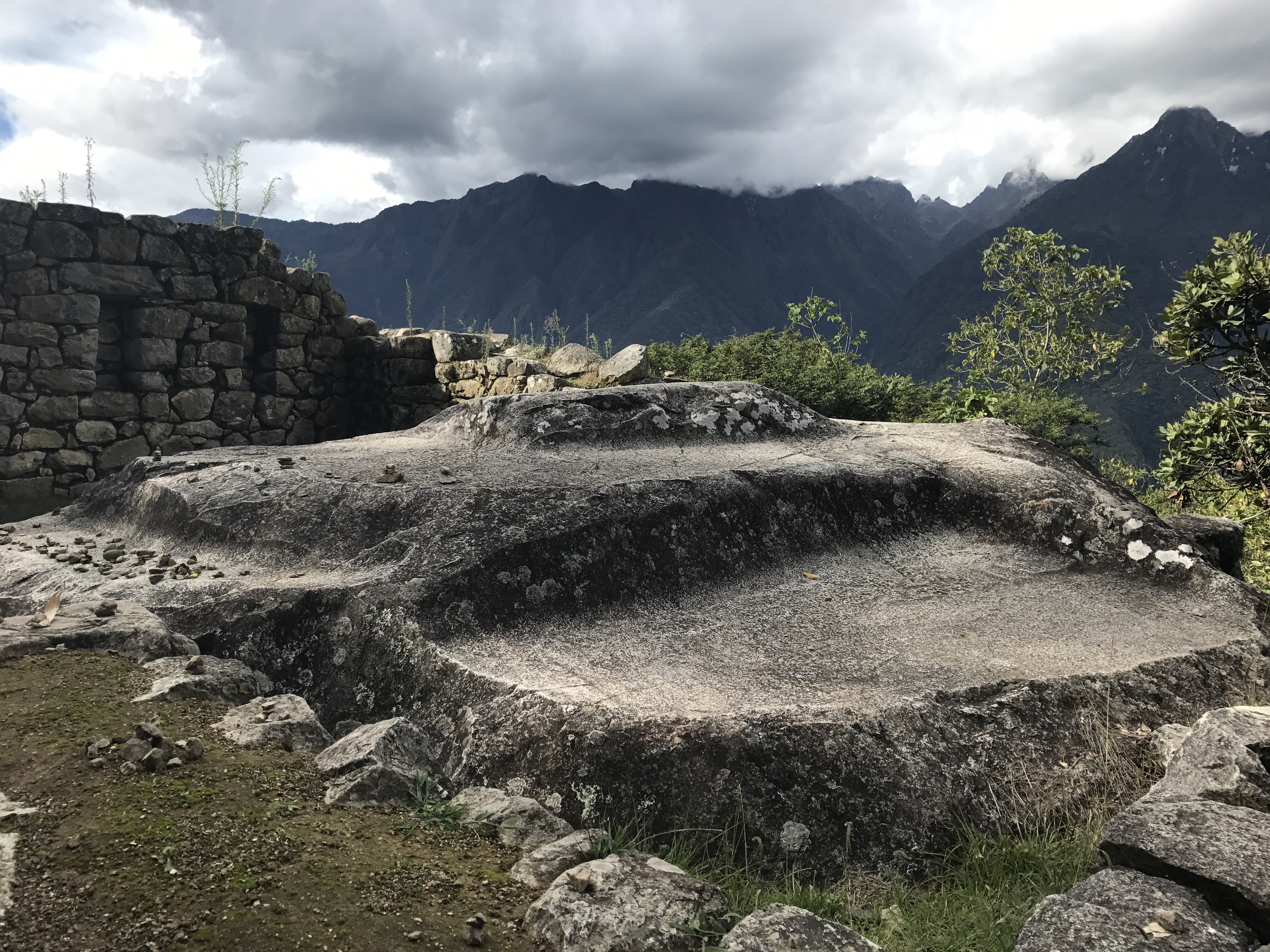
The huge carved granite rock and small wall with niches is about 2/3 of the way down the trail from the Sun Gate. Not sure of the Inka significance. But, hikers will pick up a small rock from the start of their hike and once they have completed their quest will place their Little Rock upon the ancient stone and offer up a prayer or meditation of gratitude. 

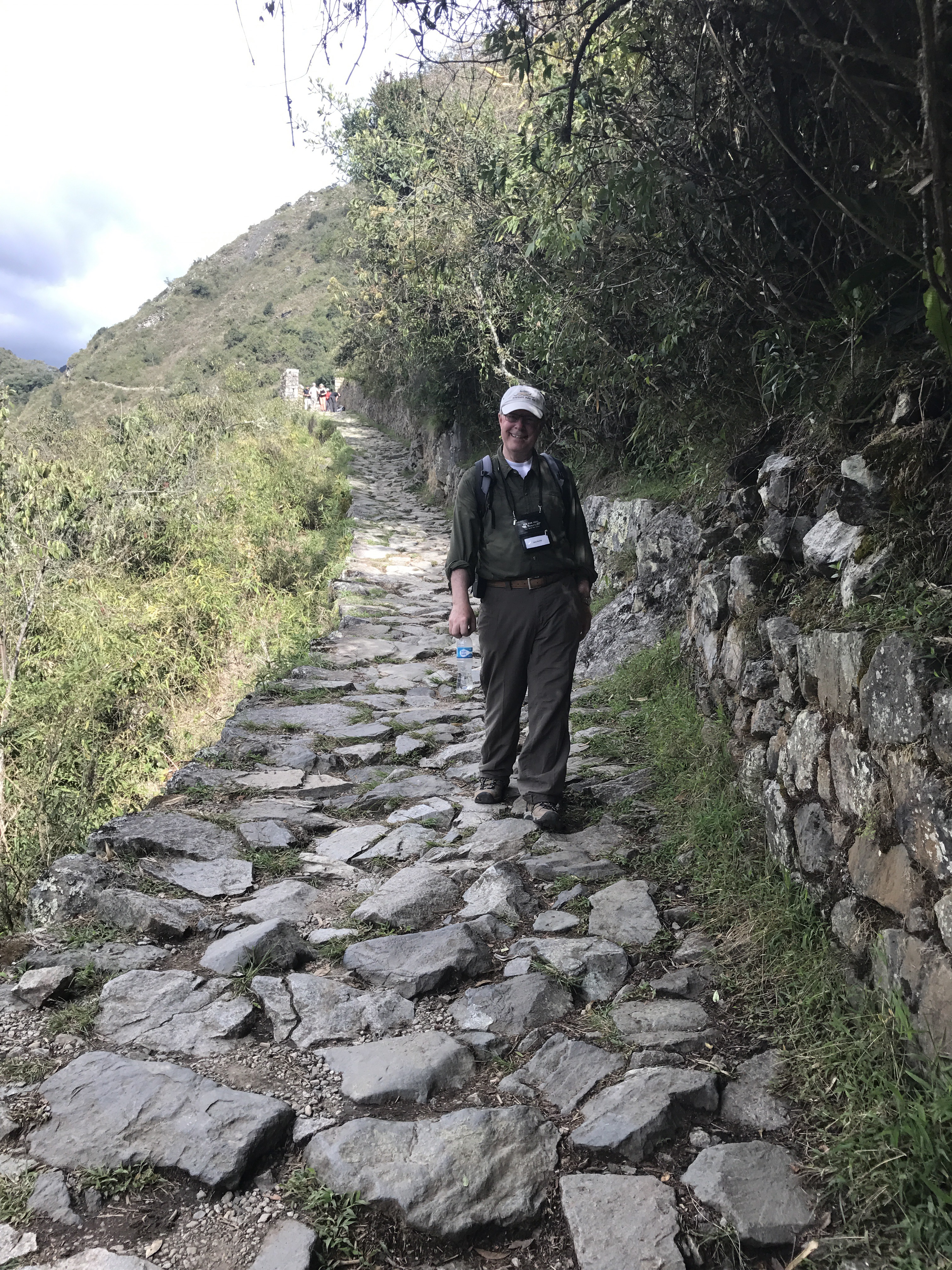
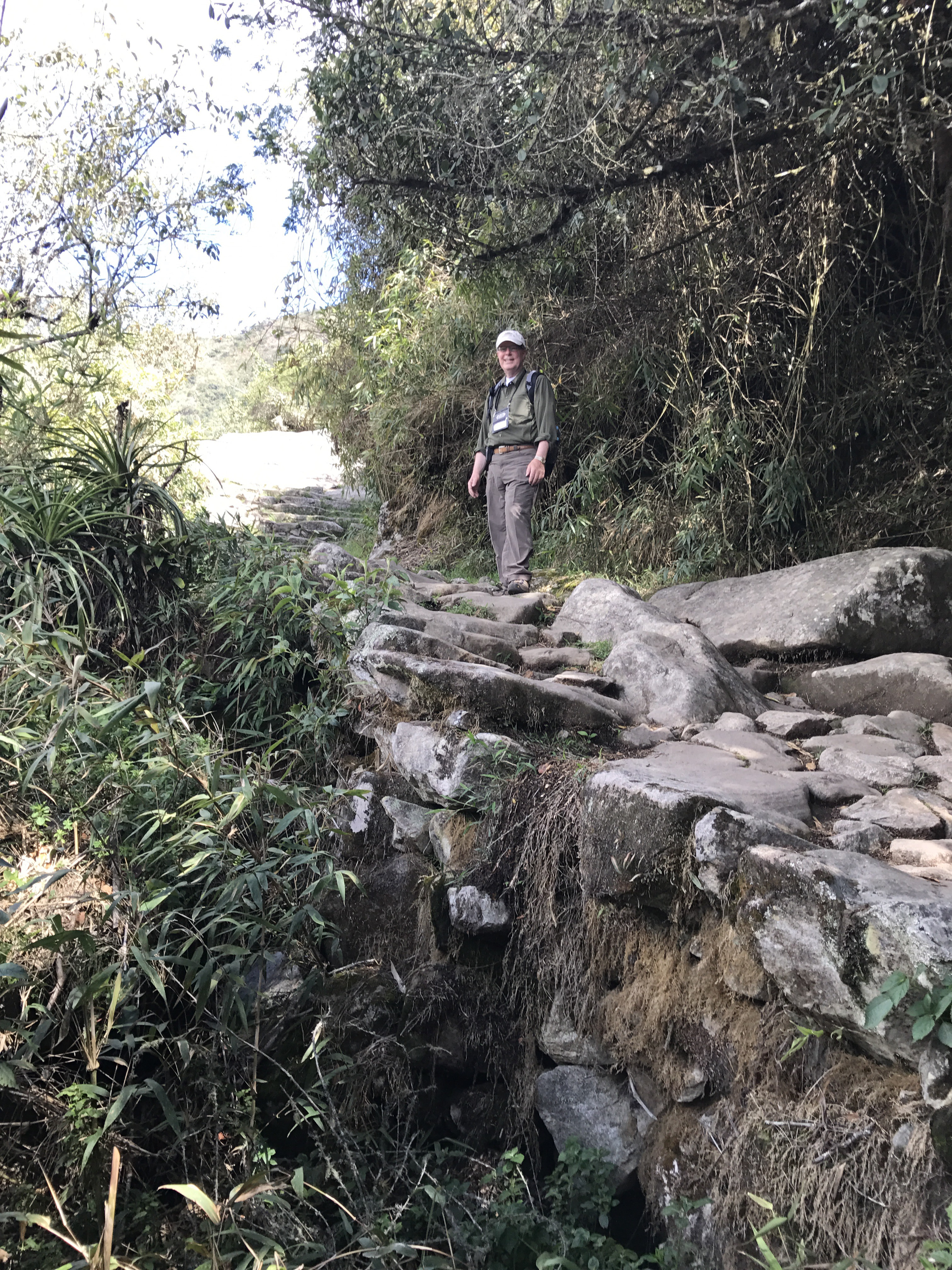
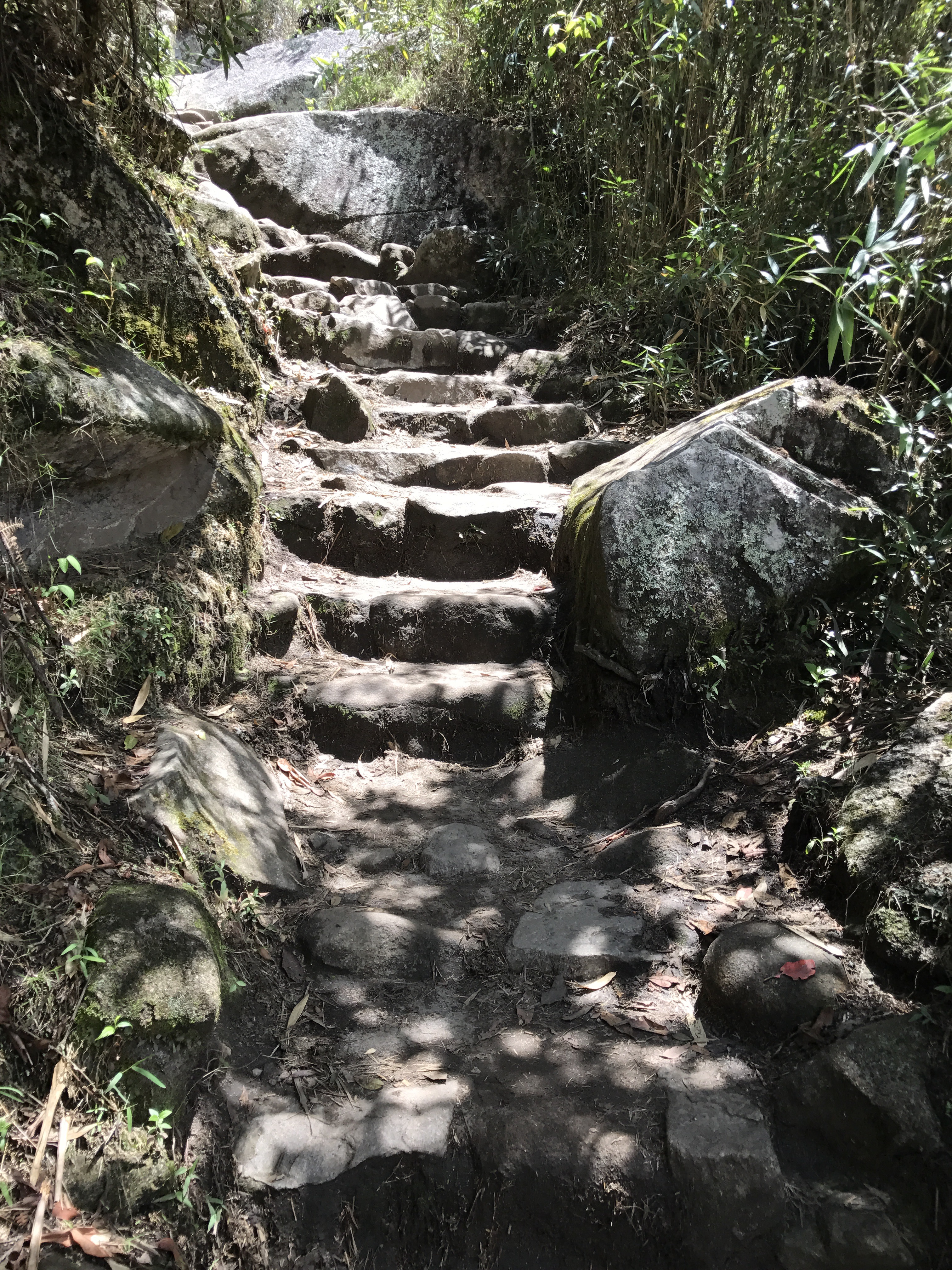
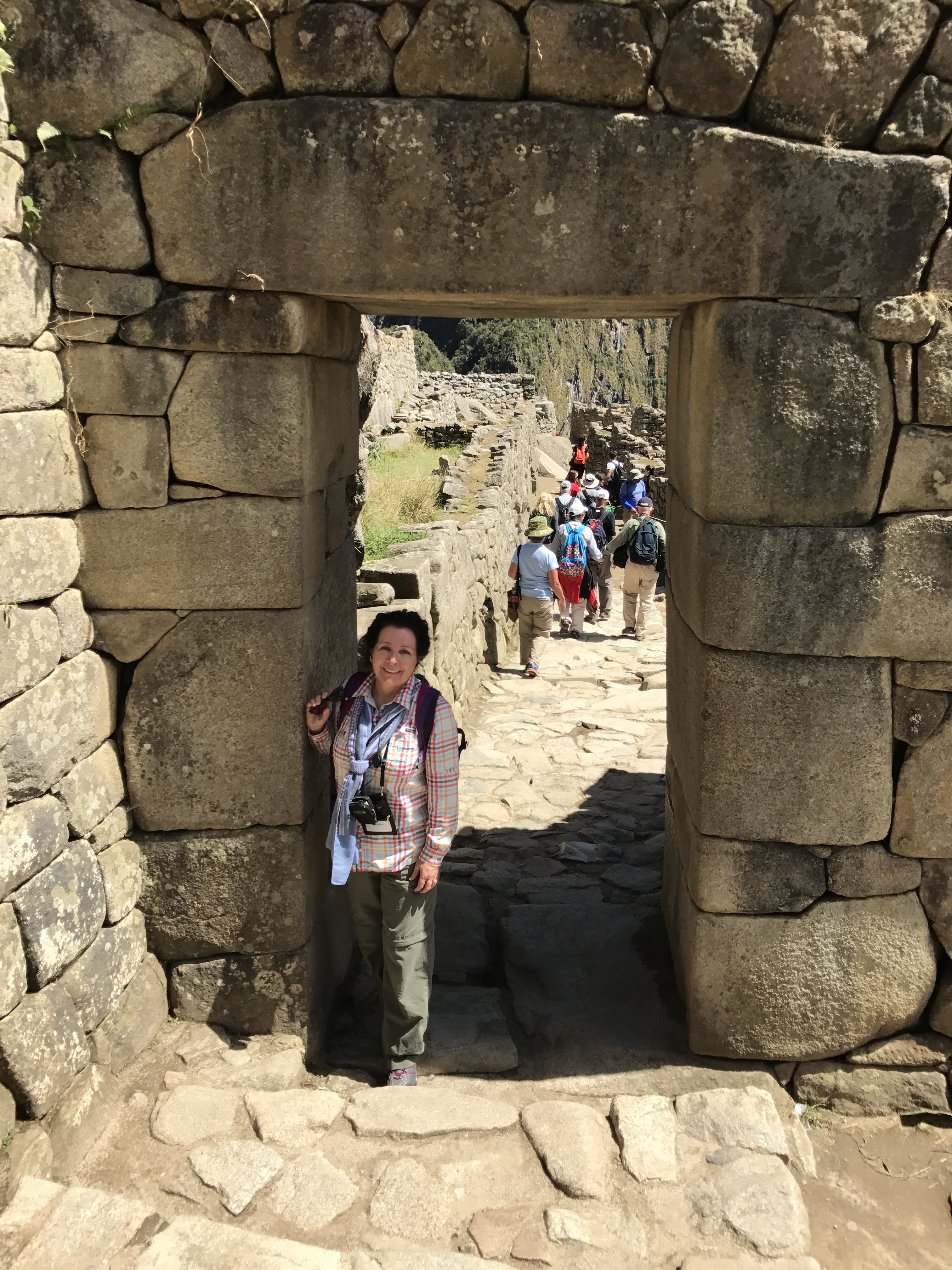
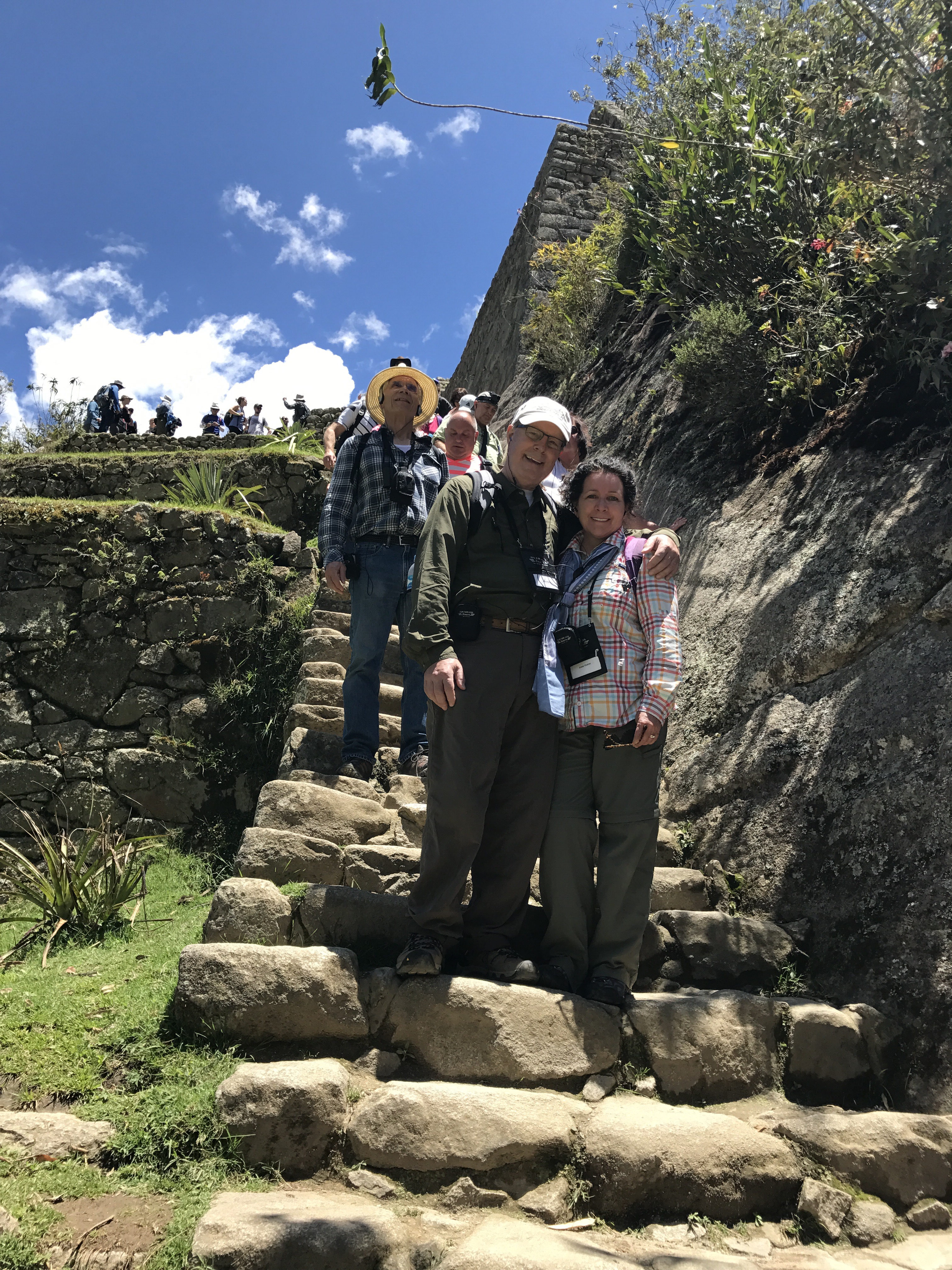
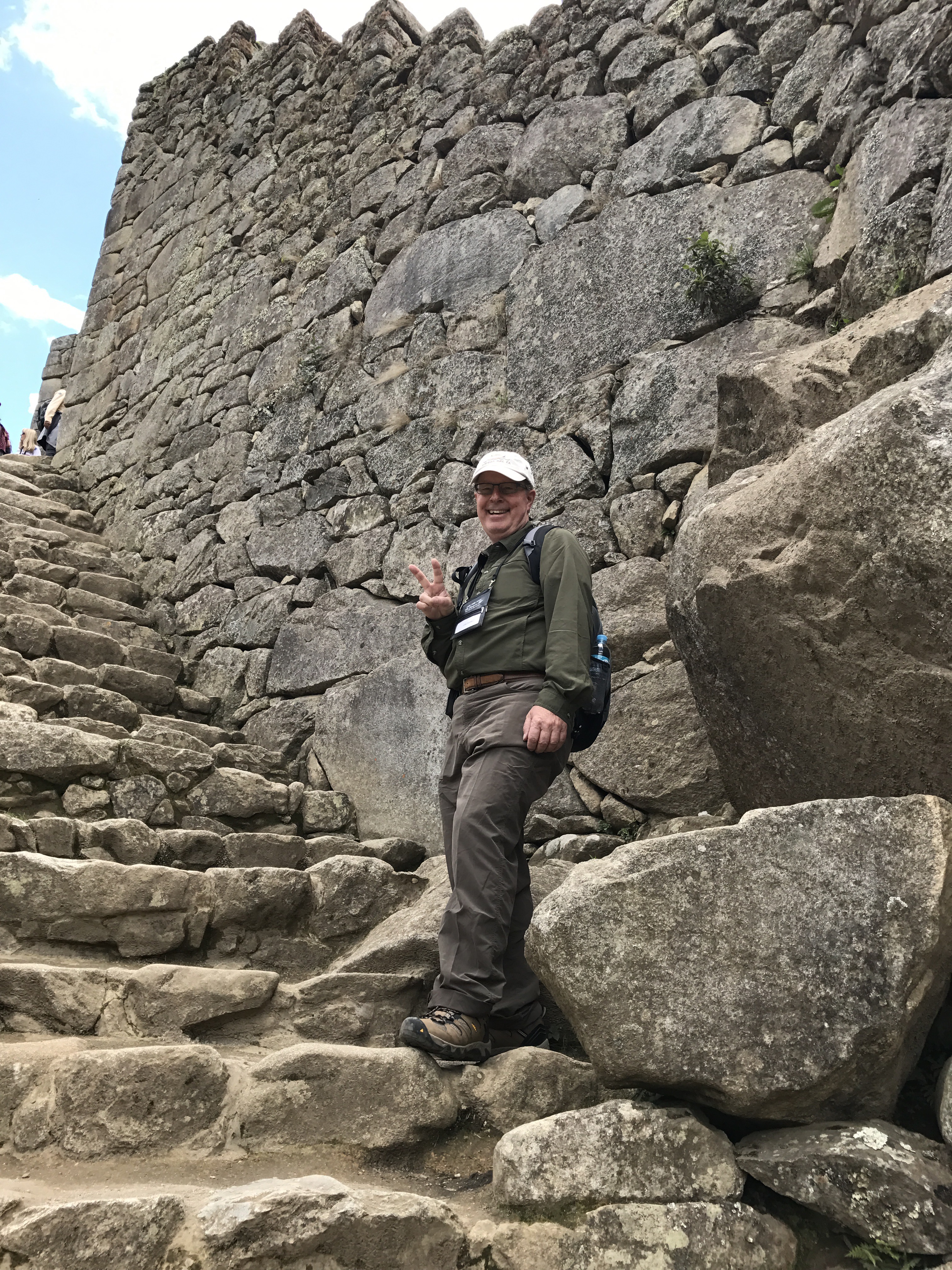
Walking on the rocky steps and stones of the original Inka trail – amazing. 

We made it back to the site after a 2 hour hike. Worth every careful, slow paced, thigh busting step. 

Huyana Picchu (Young Mountain), looms over the citadel of Machu Picchu (Old Mountain)

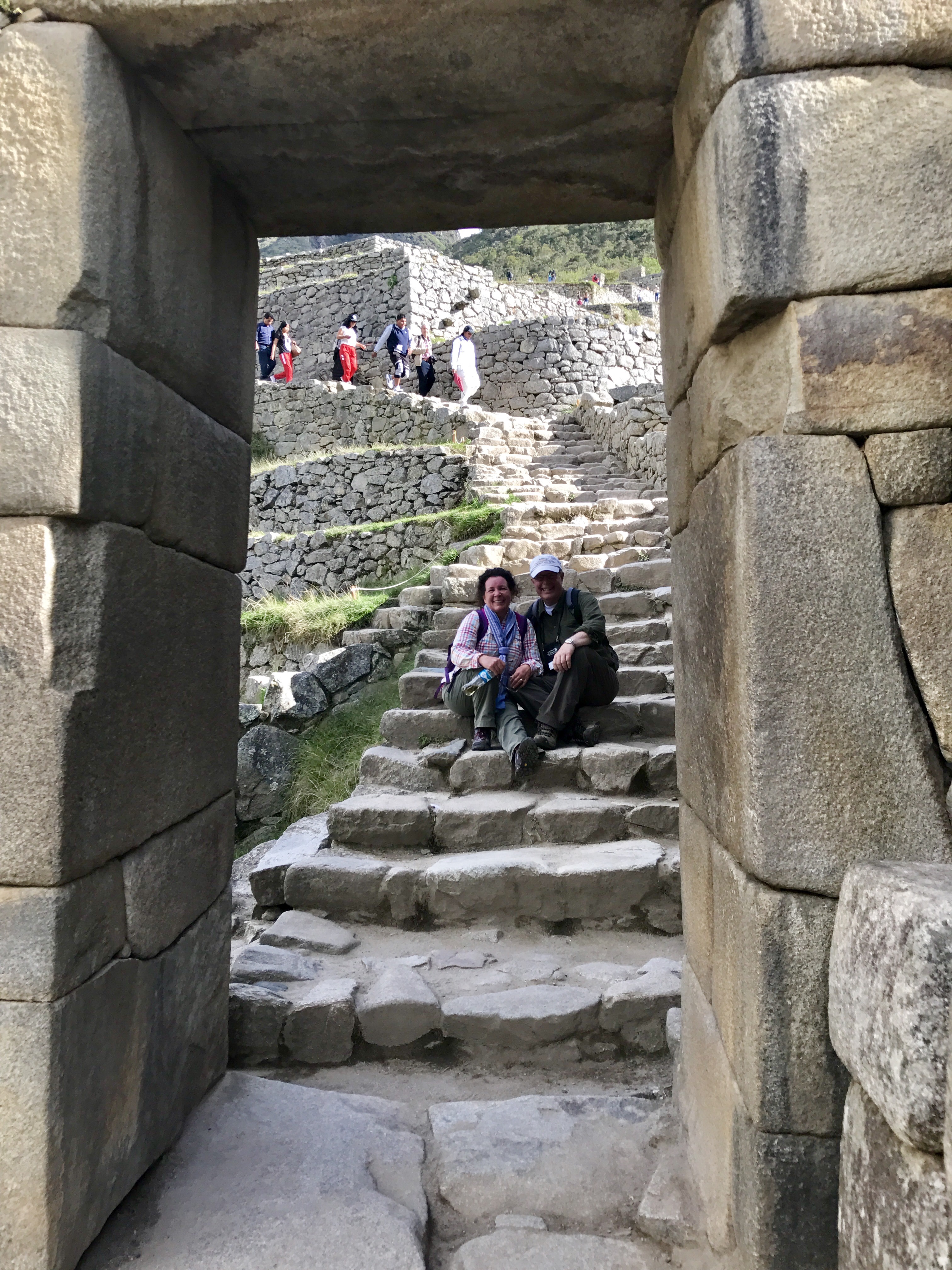
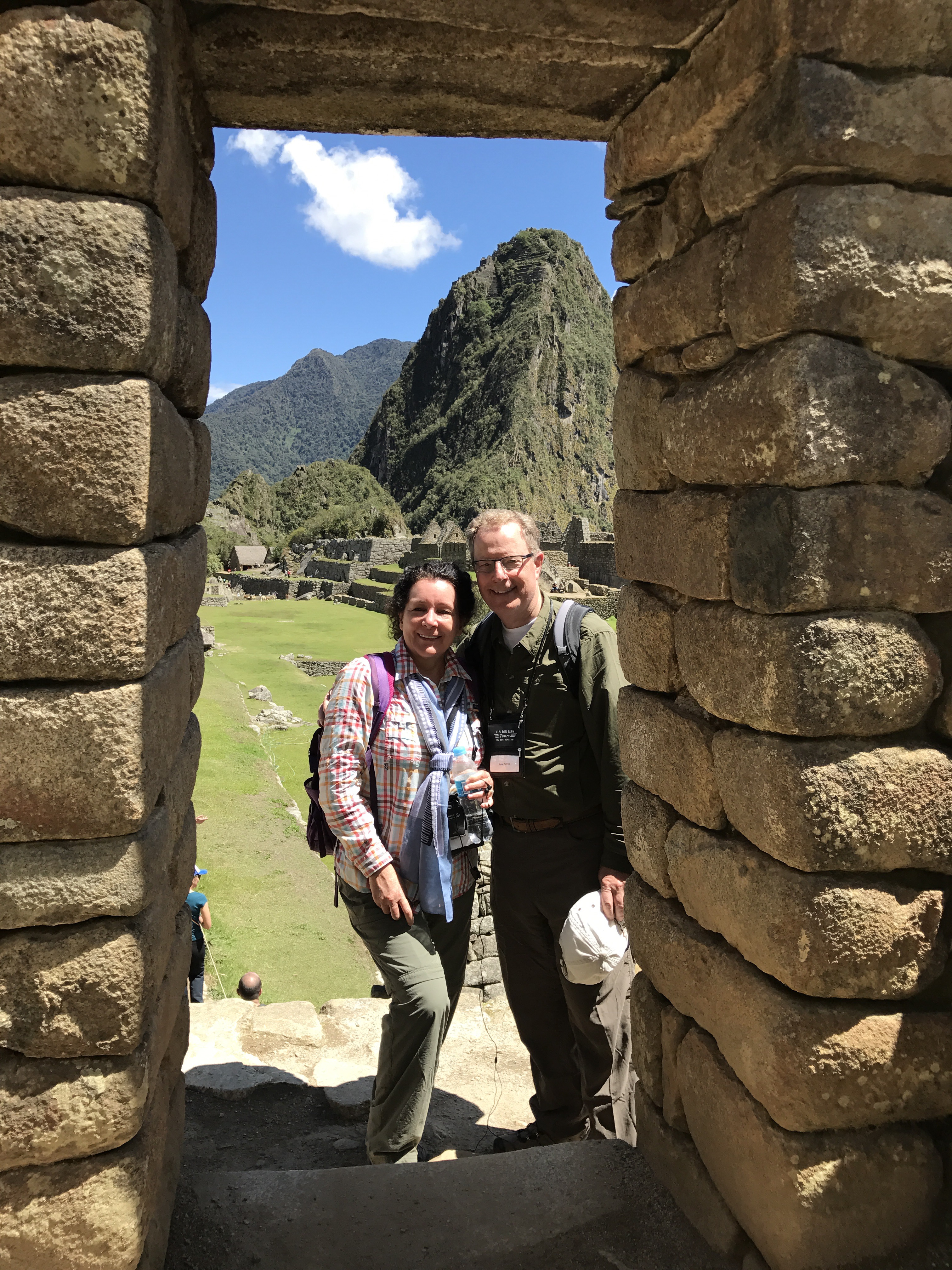
One last moment shared together before we head down to the village. 


Listen to the early evening sounds of the close of the day on Machu Picchu. Enjoy the amazing ingenuity and craft of the rock terraces, steps, water channeling and walls of the Inka. Oh, and a little clippity clop of a hiker. Guess who?


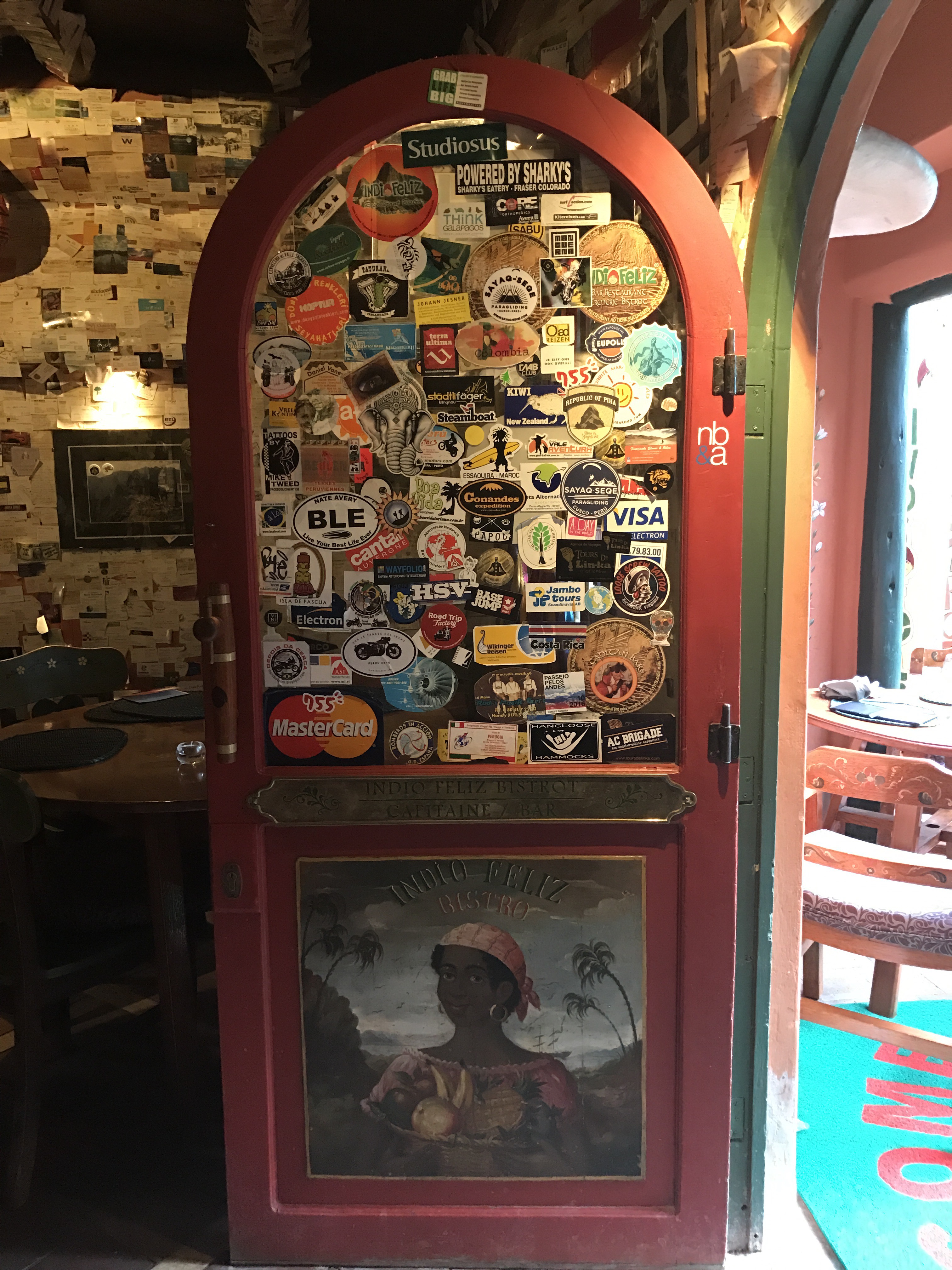
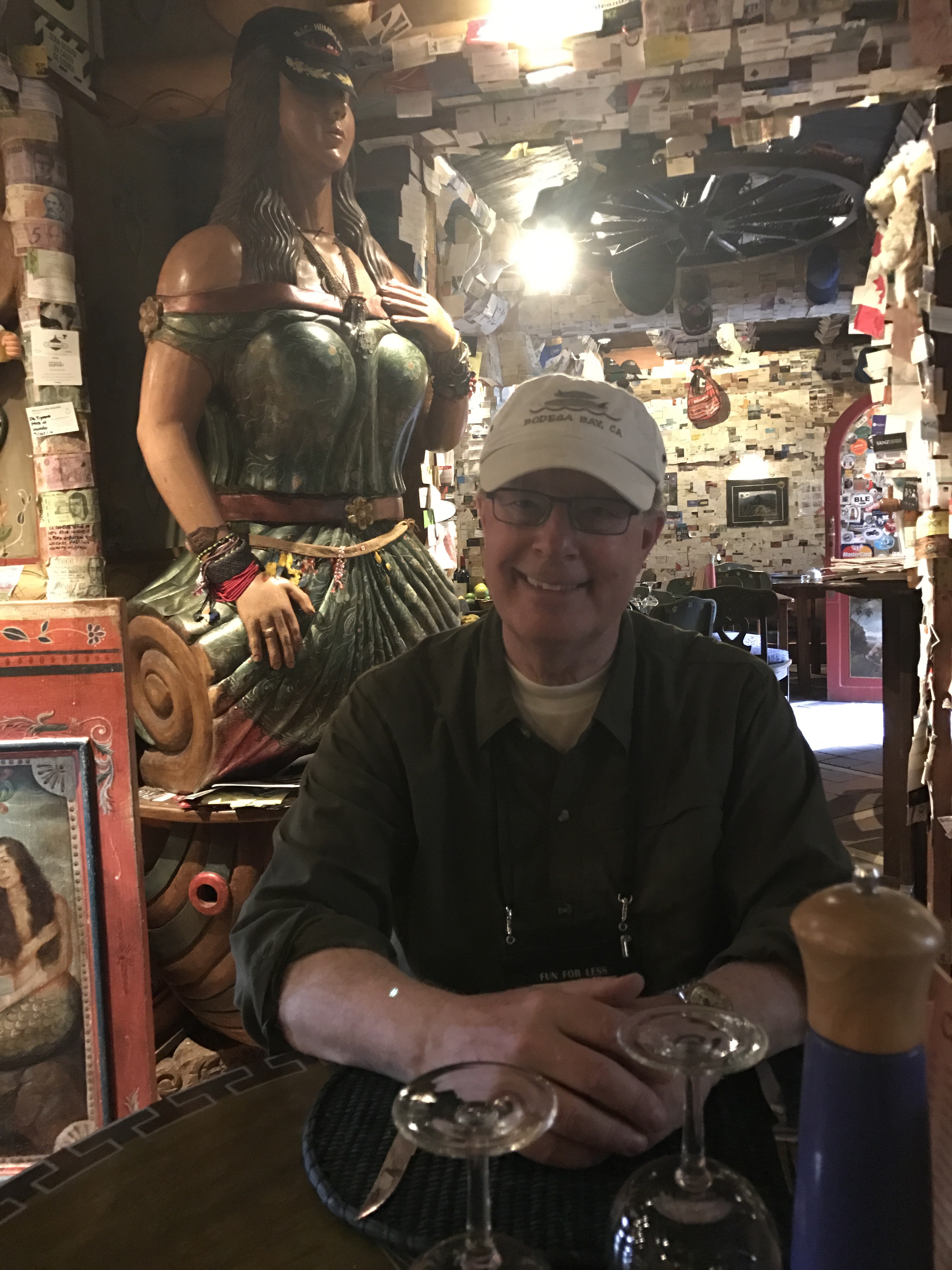
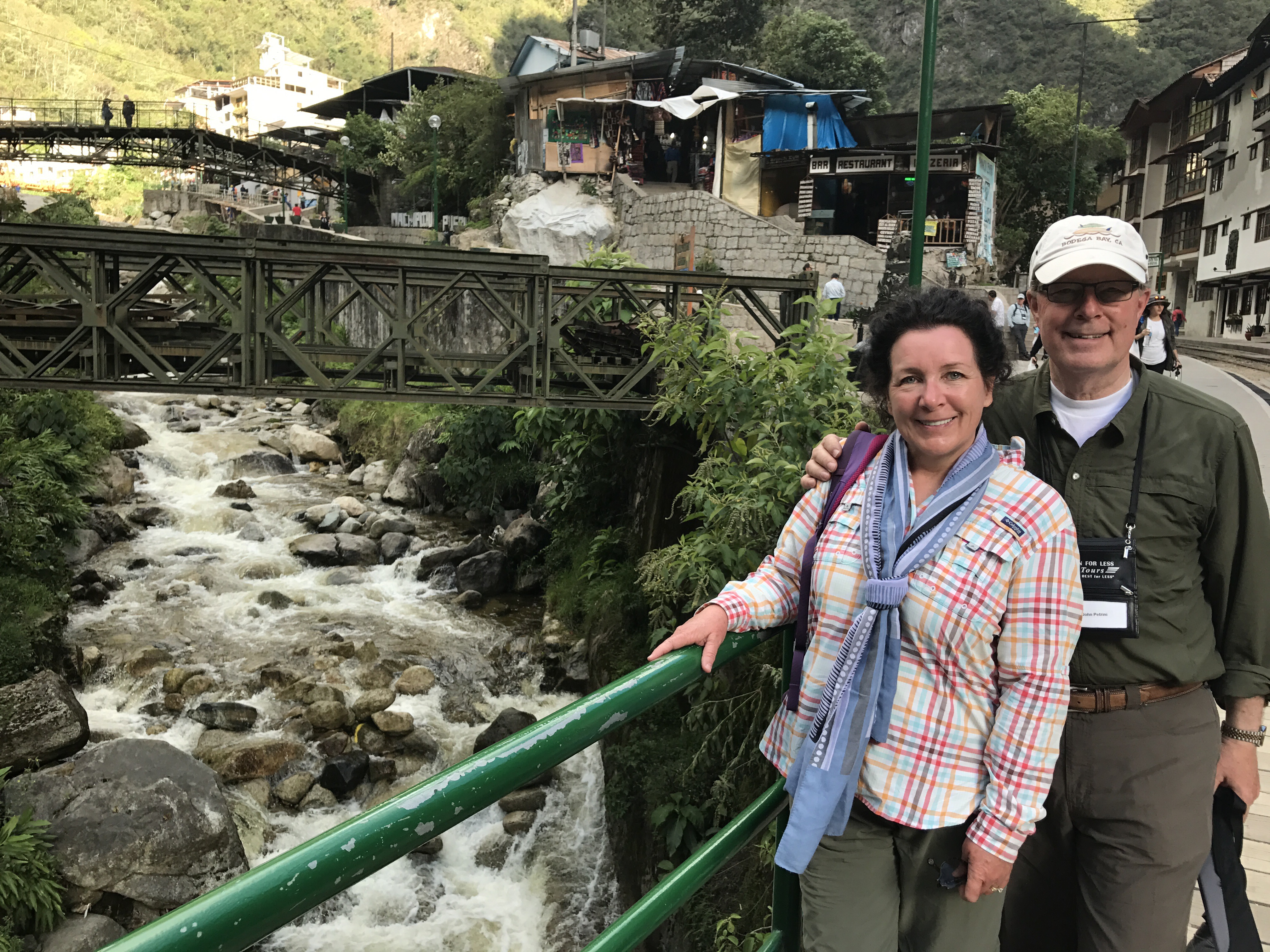
After taking the bus into the village we stopped for a bite to eat at a funky little place, the Indio Feliz. The Franco-Peruvian food was delicious and the atmosphere chaotically delightful. 


In the official language of the native Quechua people and language of the Inka… rikunakusun (goodbye) to Machu Picchu and the trip of a lifetime. 

Off to catch the train….

The Sun Gate 

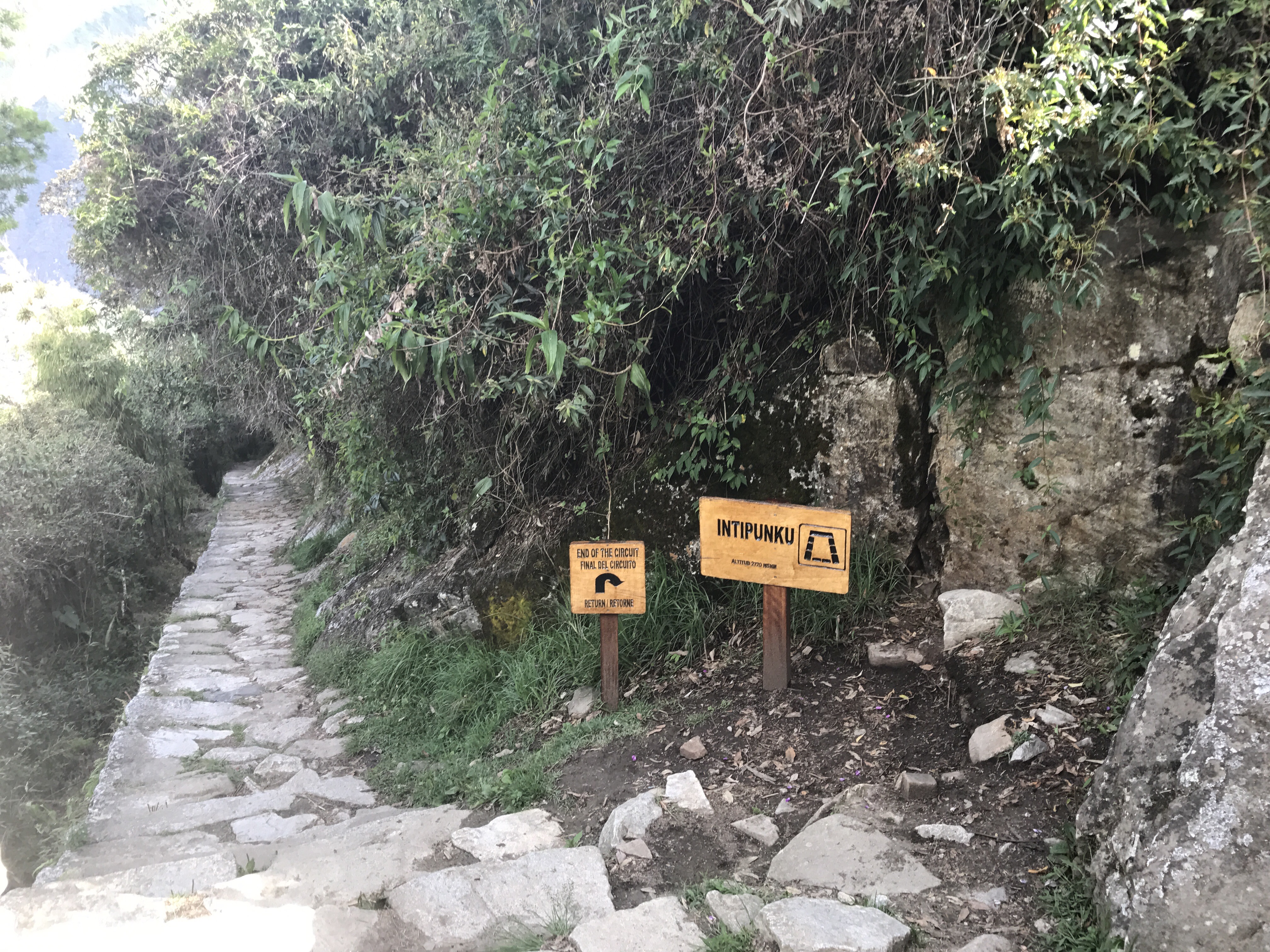
The Sun Gate or Inti Punku, was once the original entrance to Machu Picchu.

 If you do the three or four day hike on the Inca trail up to Machu Picchu it is the first view you will see of the citadel. 

On the other hand if you are already on site of Machu Picchu you can take the Inka trail up to the Sun Gate. The hike up takes about an hour or so. The climb is moderately steep so take it slow. The vistas are beautiful with short spots in the shade of jungle. 

From the top of the mountain the site of Machu Picchu is very far away. Binoculars are useful here. 

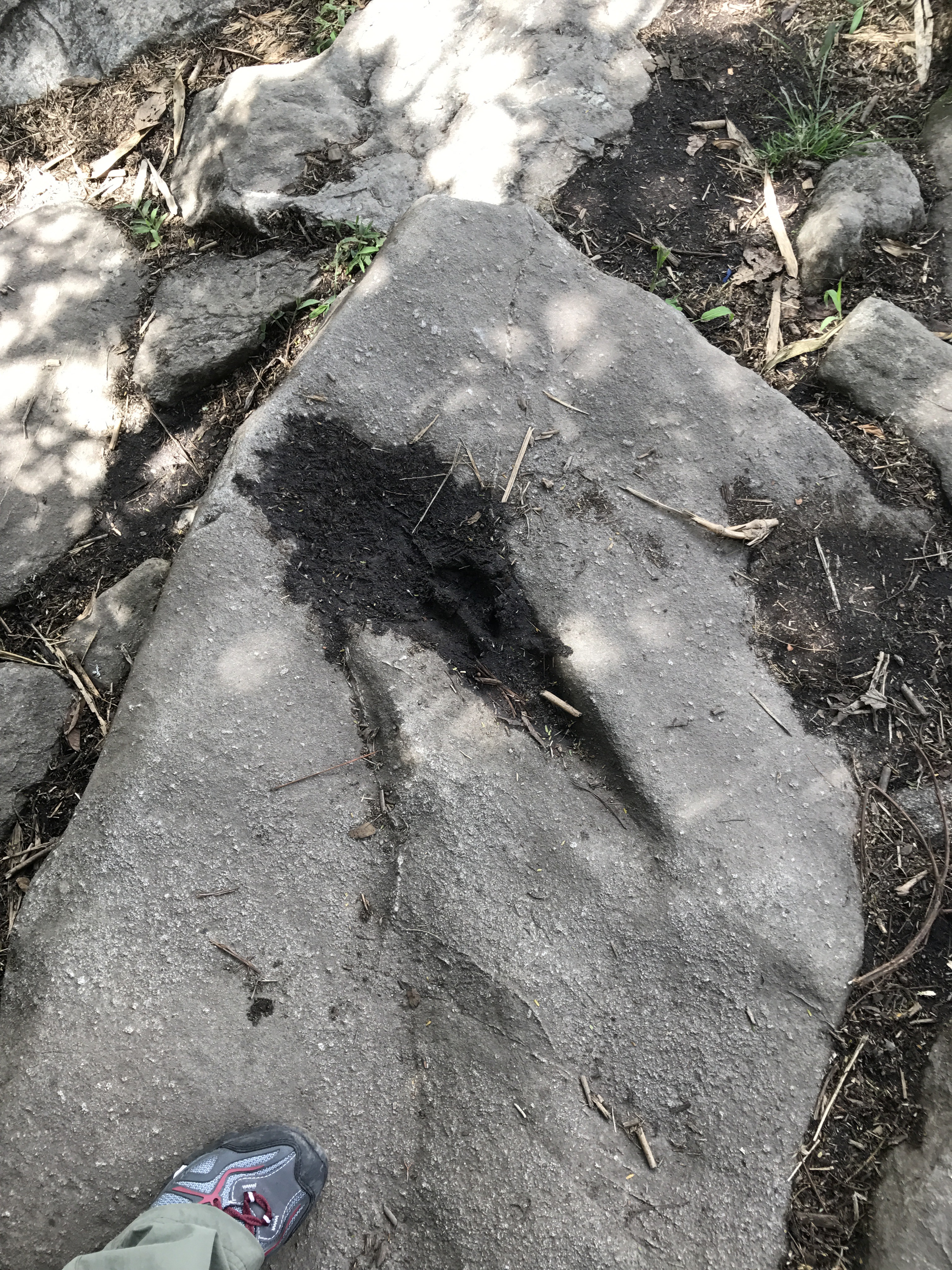
Look. A Llama hood print. Could there be a llama ahead?


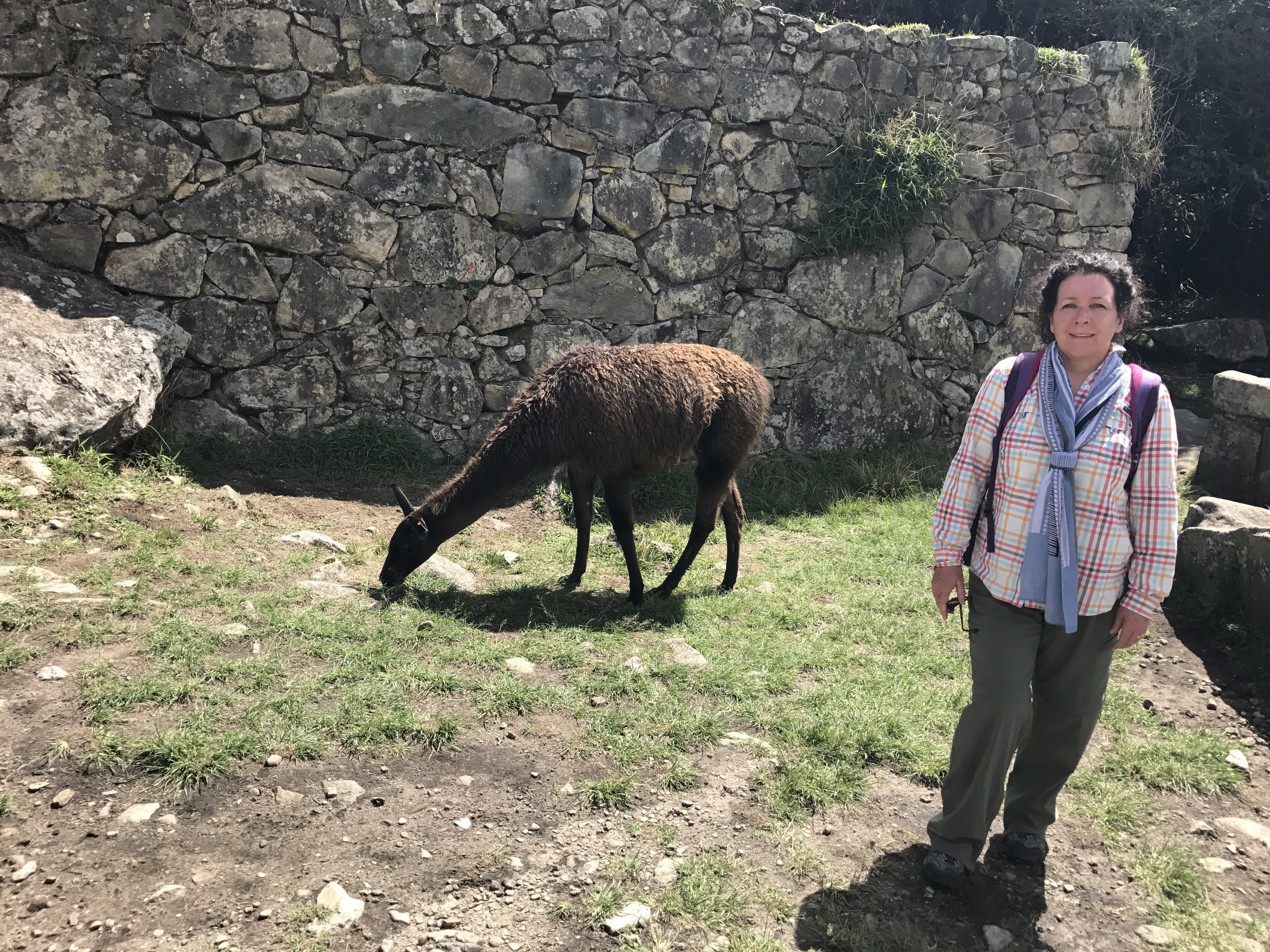
Look! A llama!


We made it!! The famous Sun Gate through which many an adventurer have glimpsed their first glorious view of Machu Picchu. 

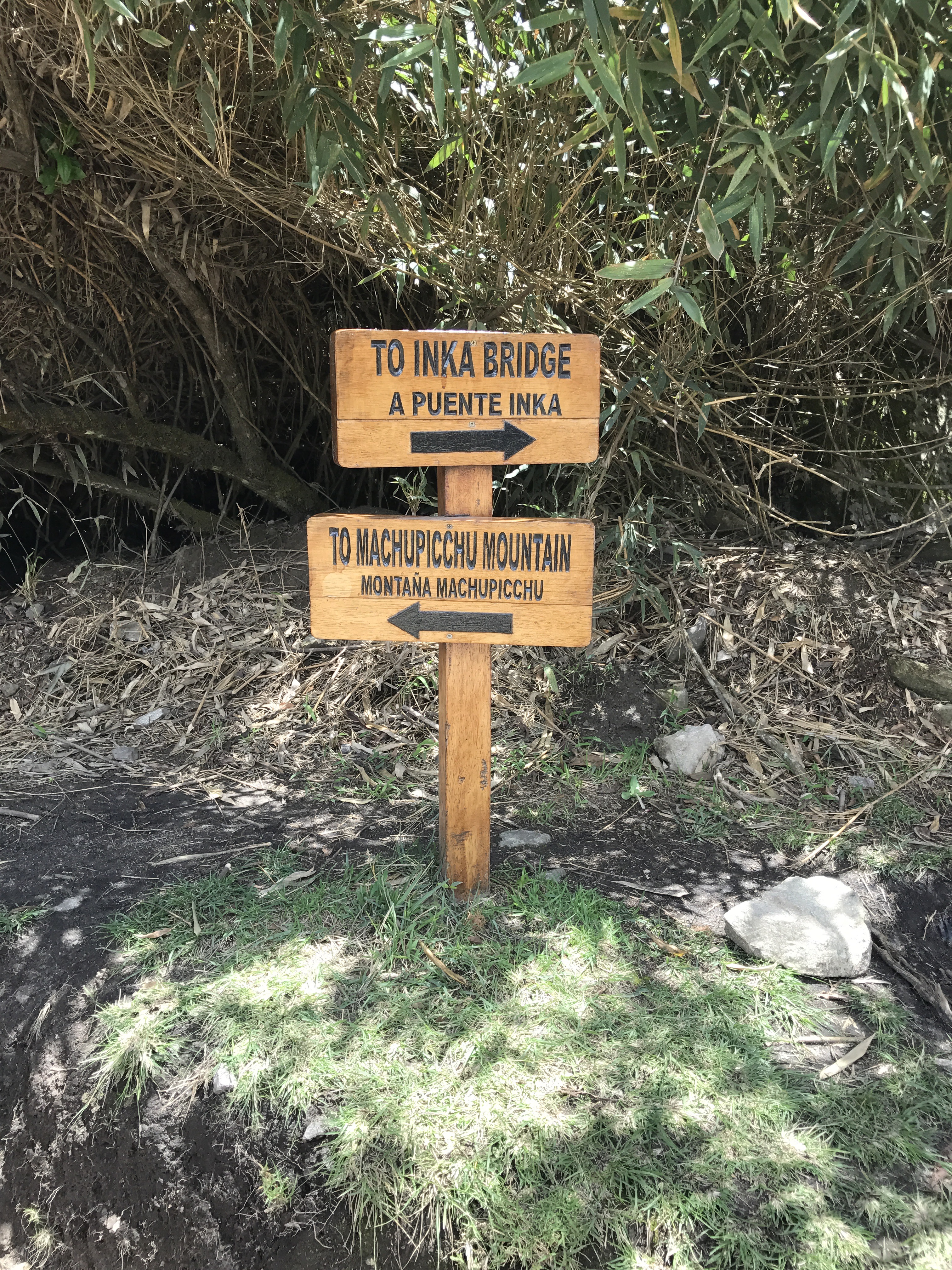
Trail to Inka Bridge

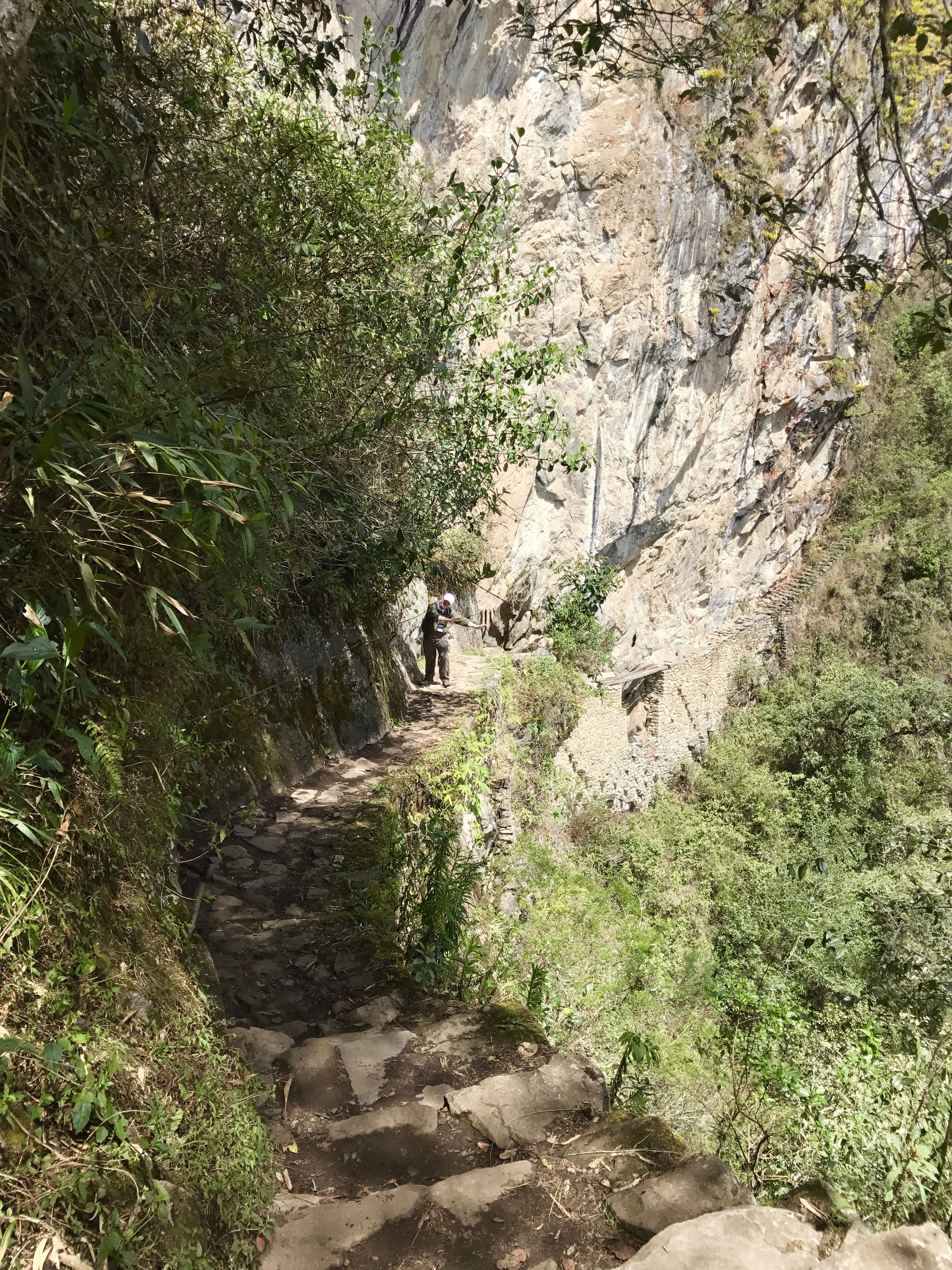
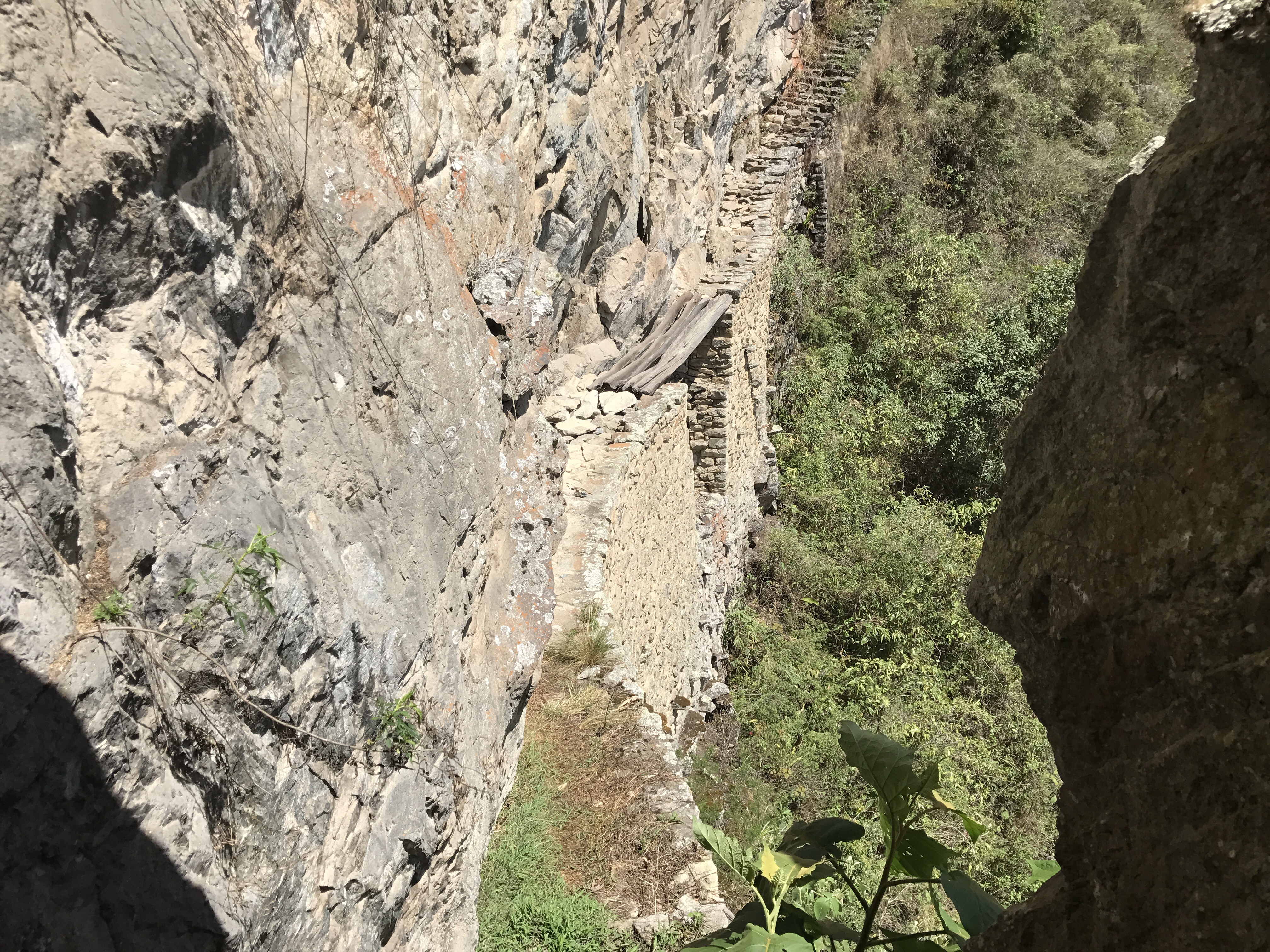
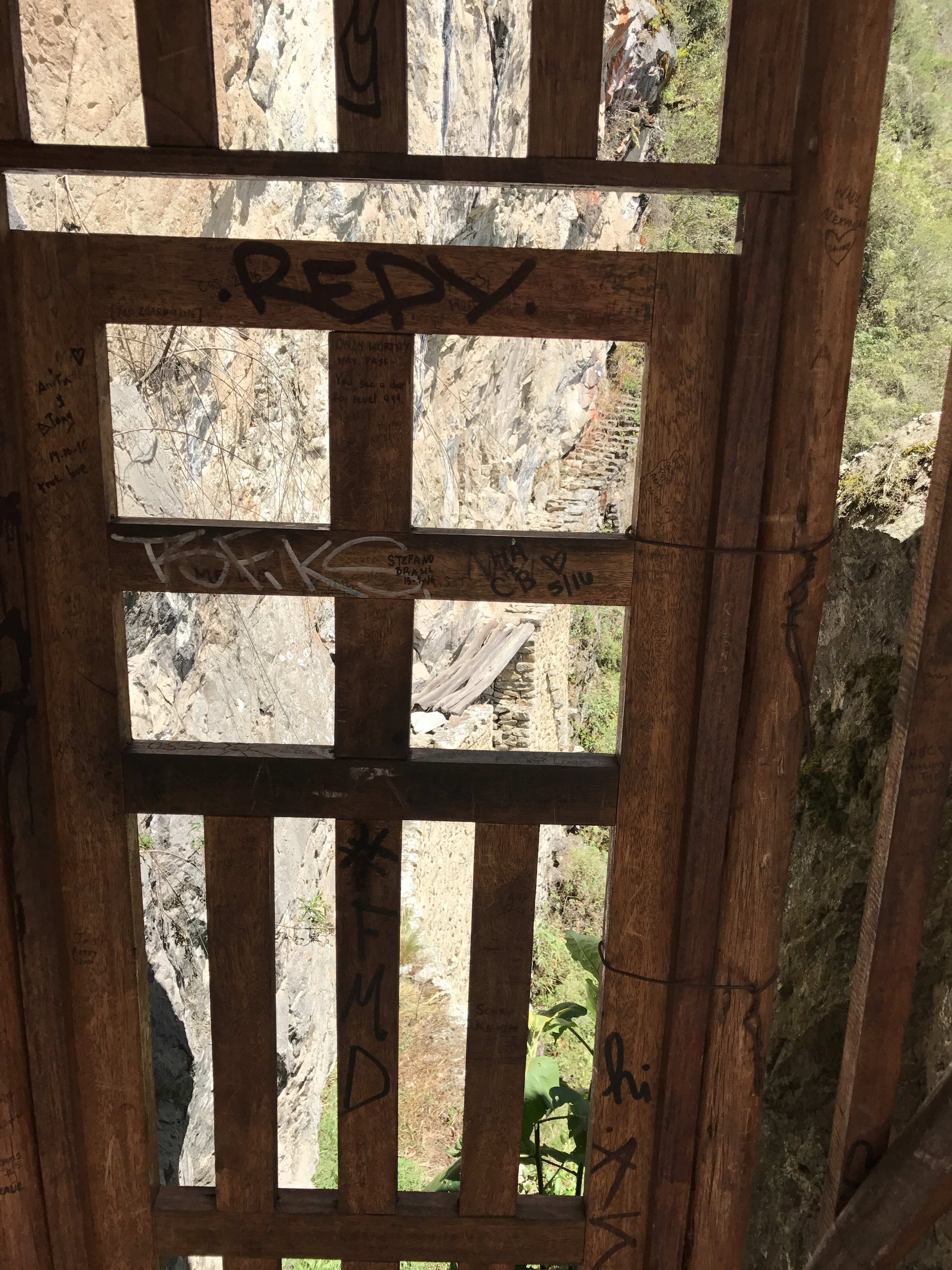
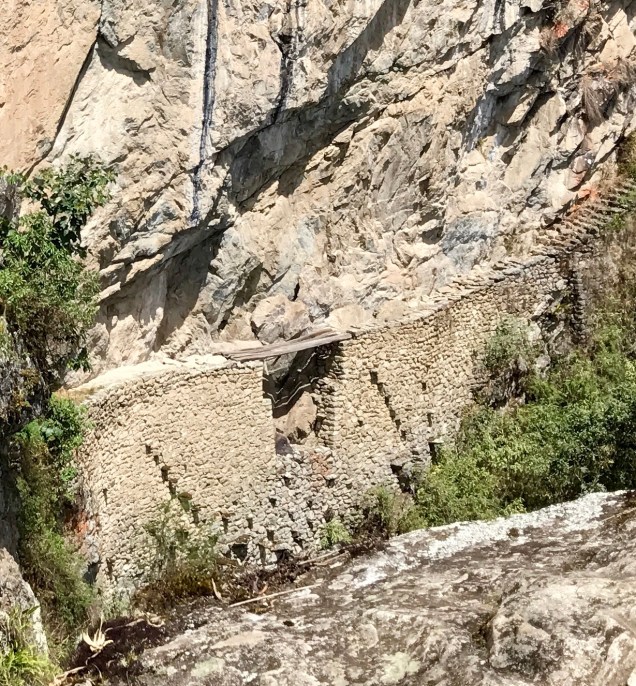
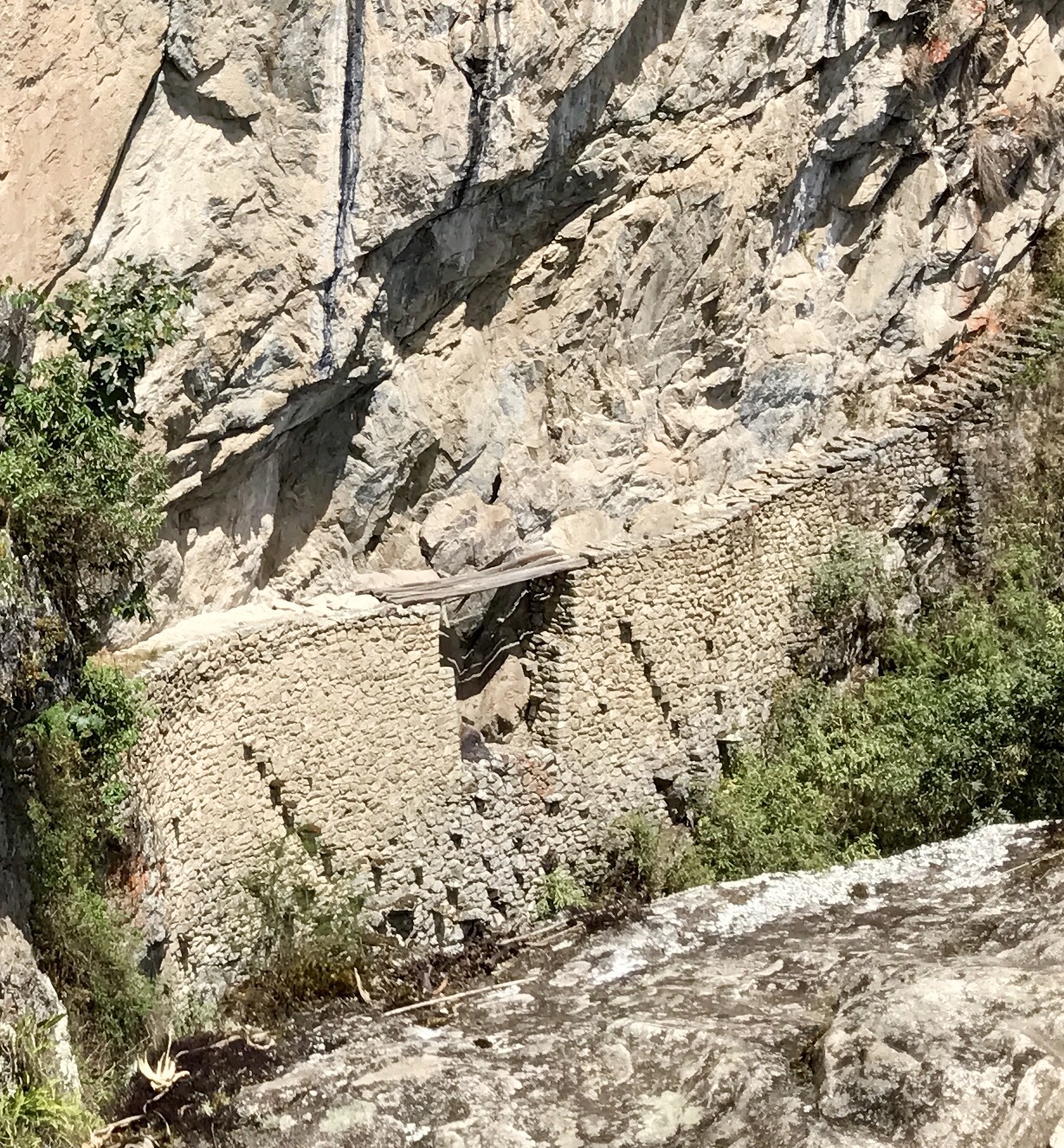
There is a marvelous piece of Inka ingenuity called the Inka Bridge. Maybe it was a secret intrance to Machu Picchu? Several wooden beams could be placed, or removed, across a 90 foot gap along a trail with a 1,900 foot cliff drop. 

It’s a lovely short hike through cooling jungle foliage with magnificent vistas. 

The return hike, mostly uphill. A beautiful walk with few hikers. 

Machu Picchu 

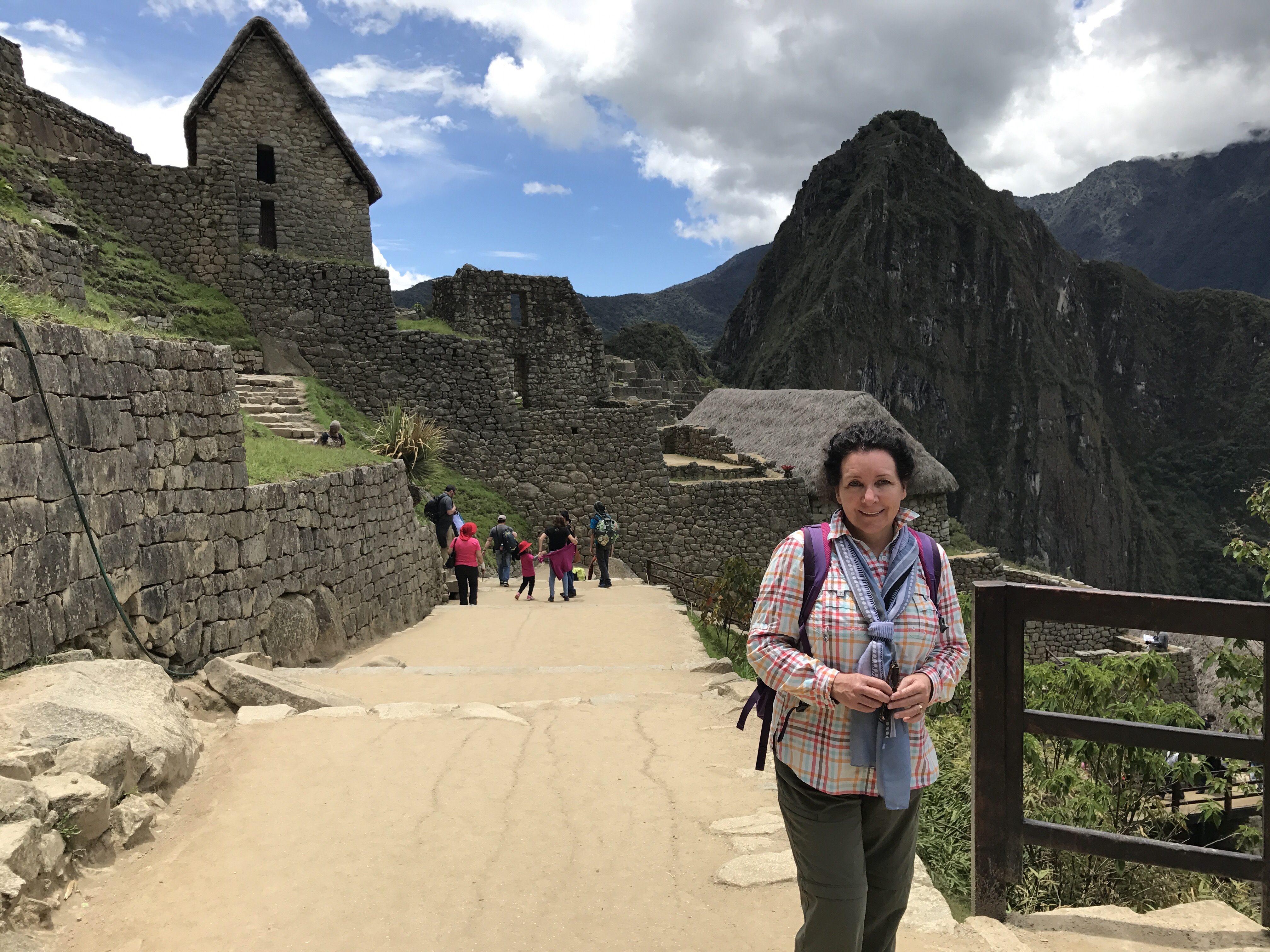
A dream come true. This is THE place I’ve read about, studied a bit, and hoped some day to be able to walk it’s trails and experience it’s beauty. 

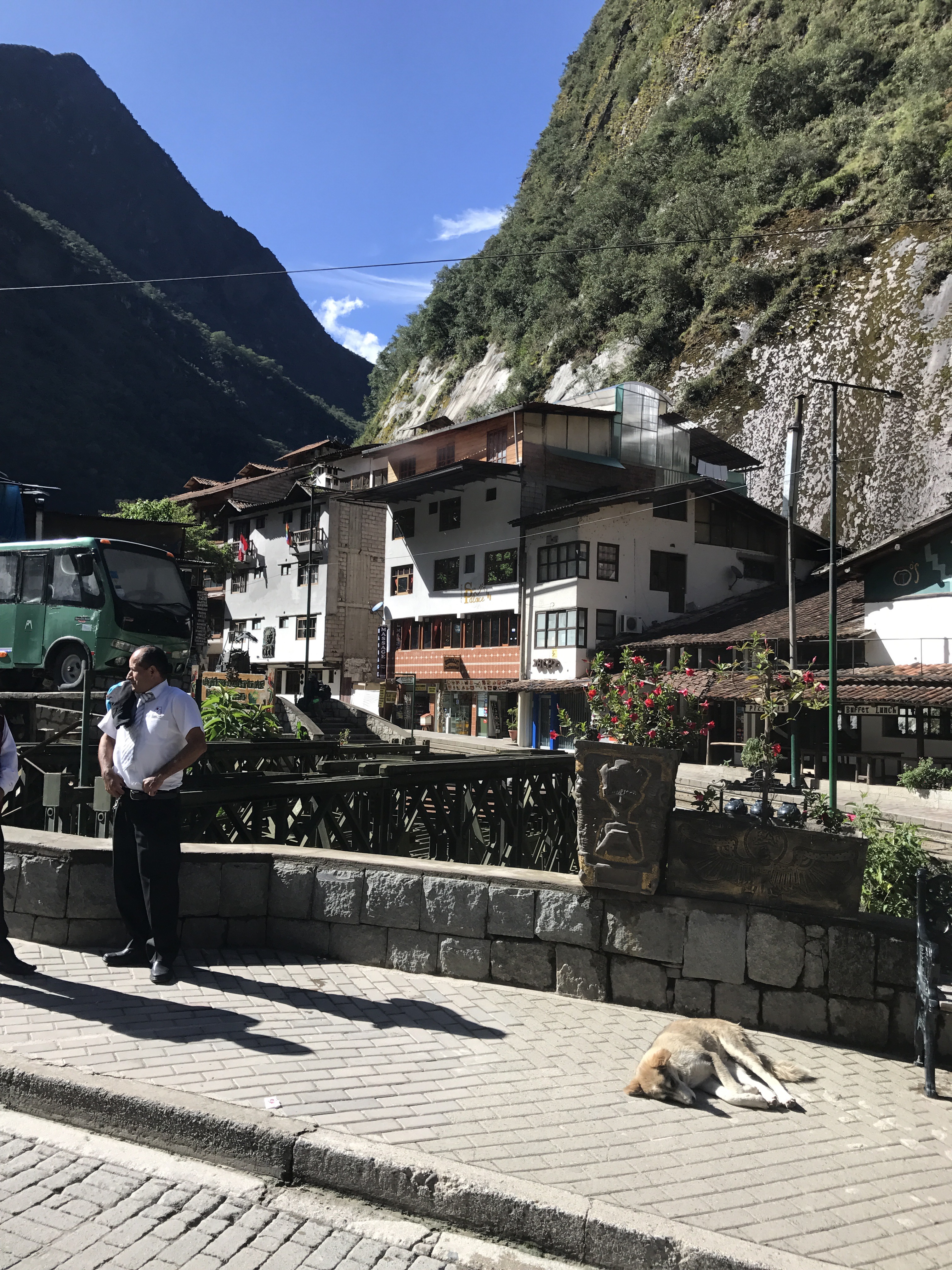
Rising at 3:45 AM, to leave our hotel at 4:30, travel by bus to Ollantaytambo to catch the 5:30 train to the village of Machu Picchu. The little town used to be named Agua Calientes after the hot springs located there but earlier this year it officially took on the name of incredible archaeological site and citadel of Machu Picchu. 

Hiram Bingham III, an explorer and academic, in 1911, with the help of local farmers, is credited with the discovery of Machu Picchu. You can read more about him and further information here

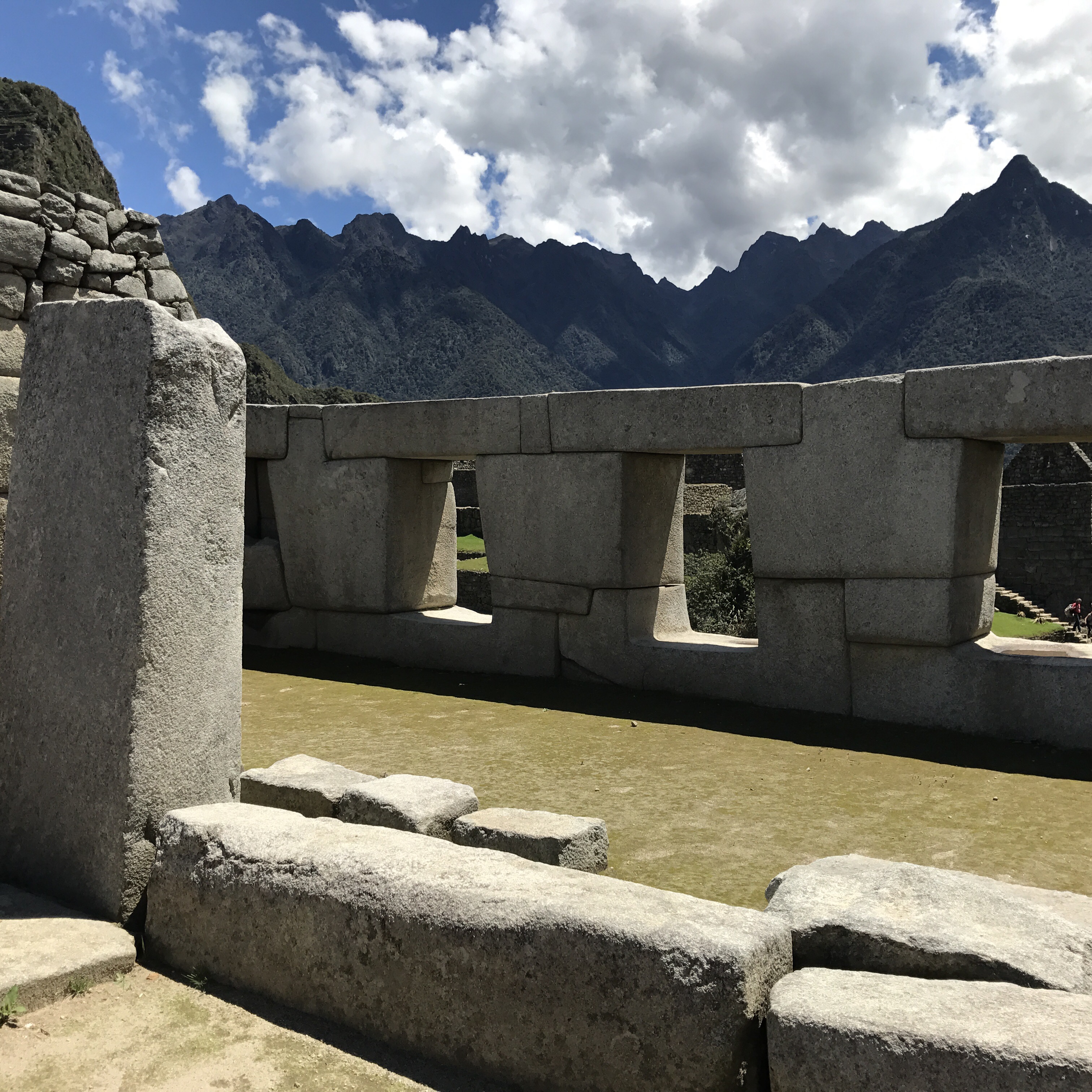
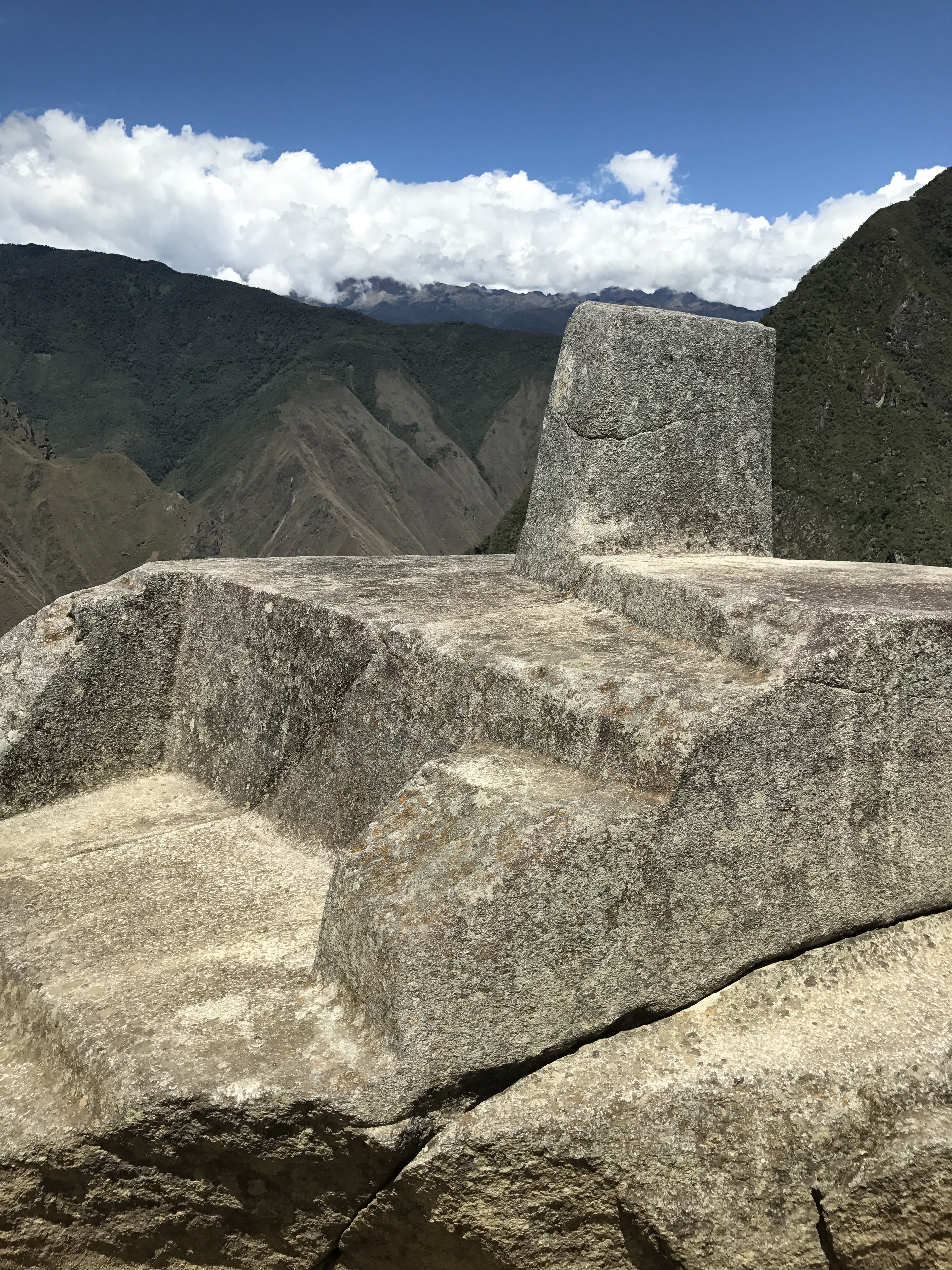
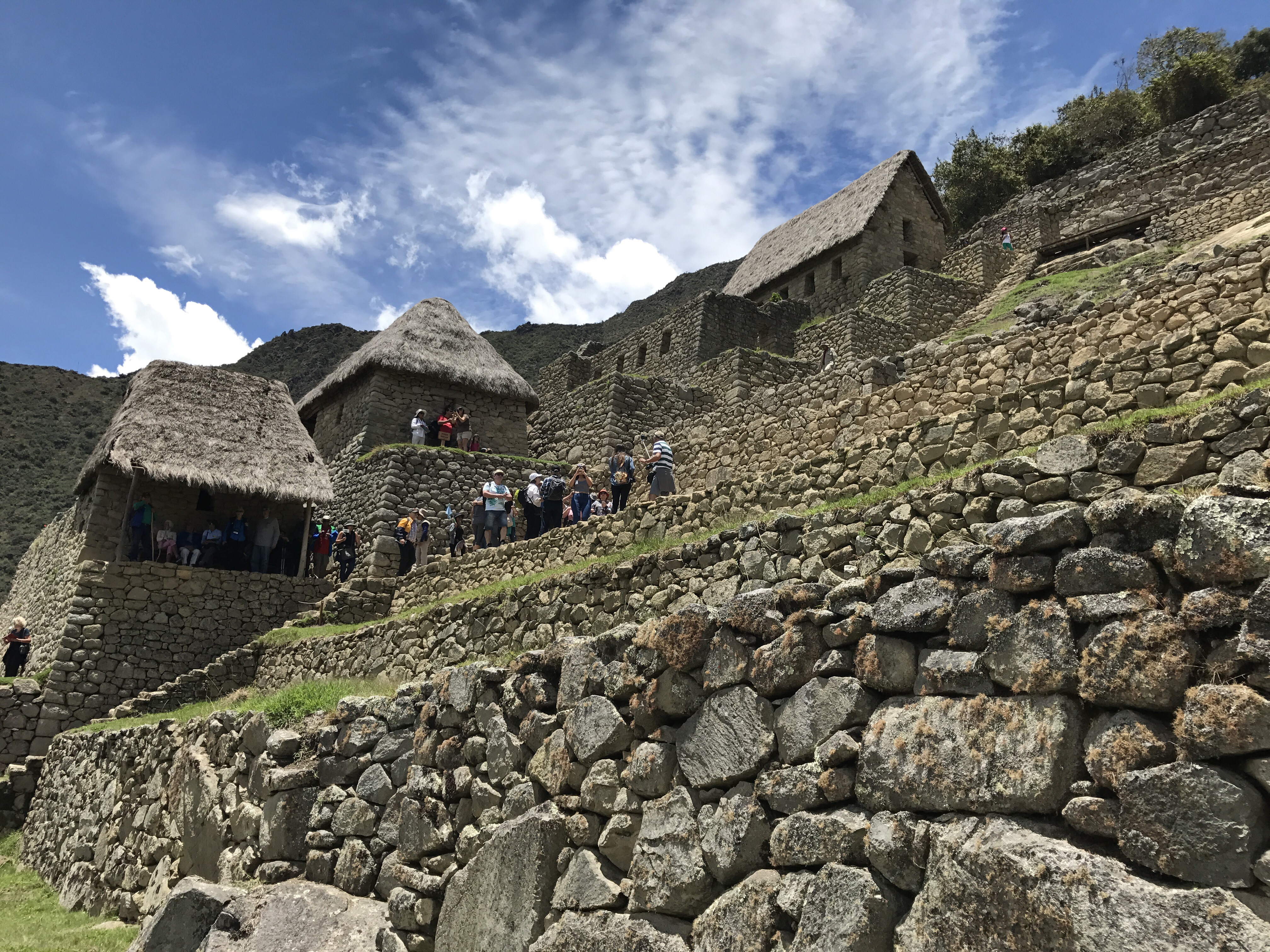
The next three pictures are of the most well known and marvelous structures at Machu Picchu. If you want to read more about them click here

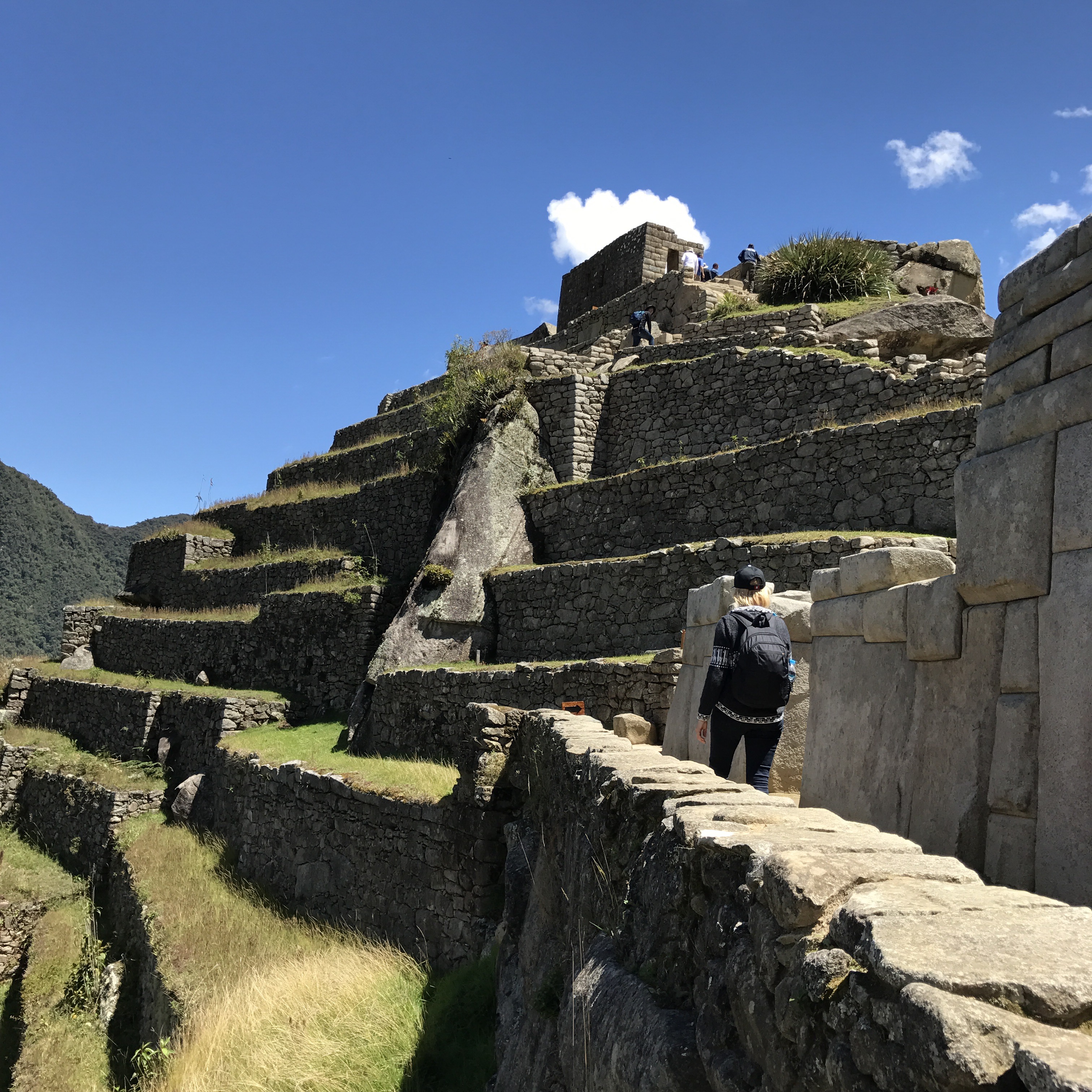
Overlooking the Temple of the Sun. It is the structure with the curved wall. 


Room of the Three Windows


The Inti Watana stone. 


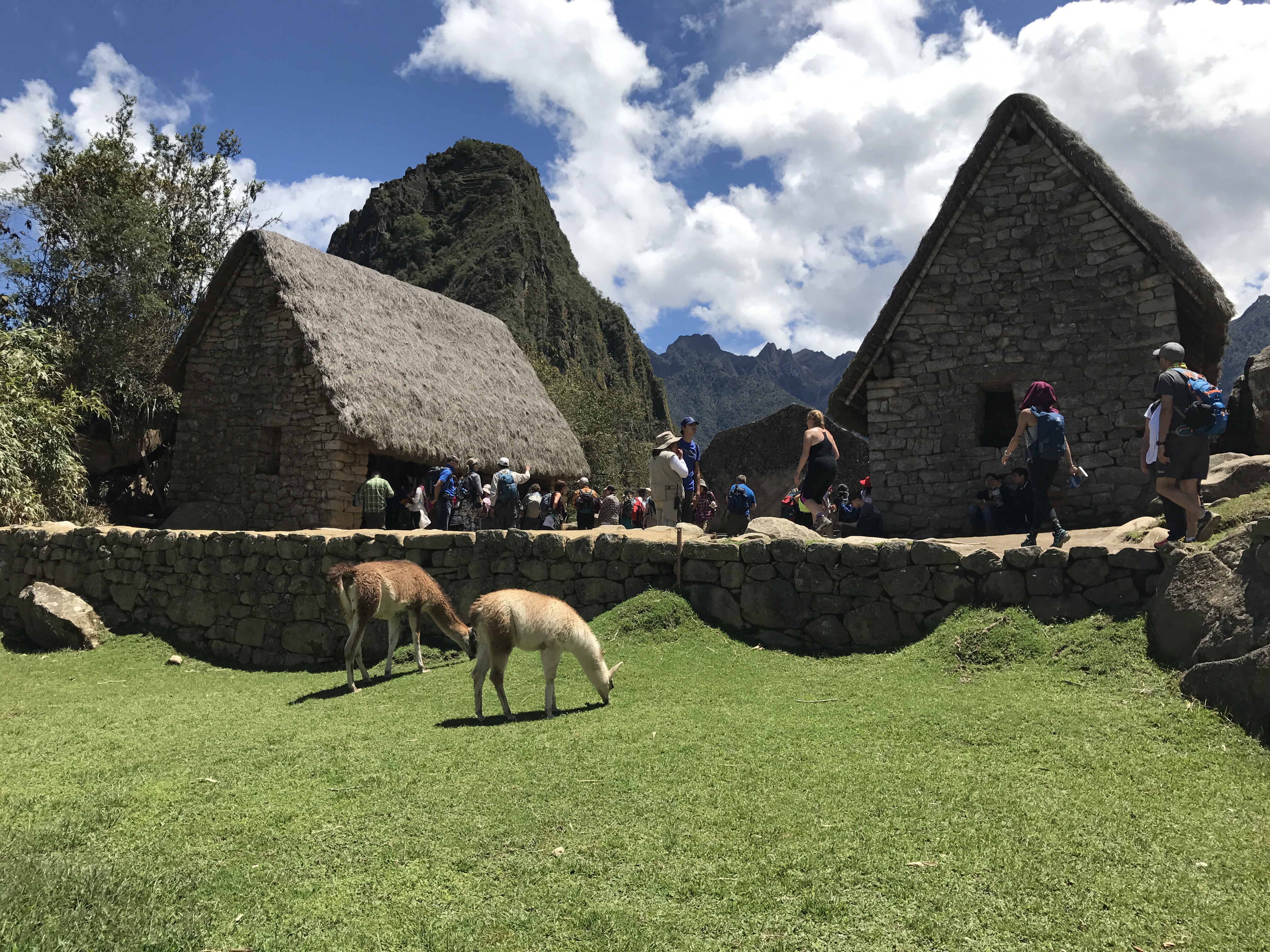
A few more pics to enjoy….


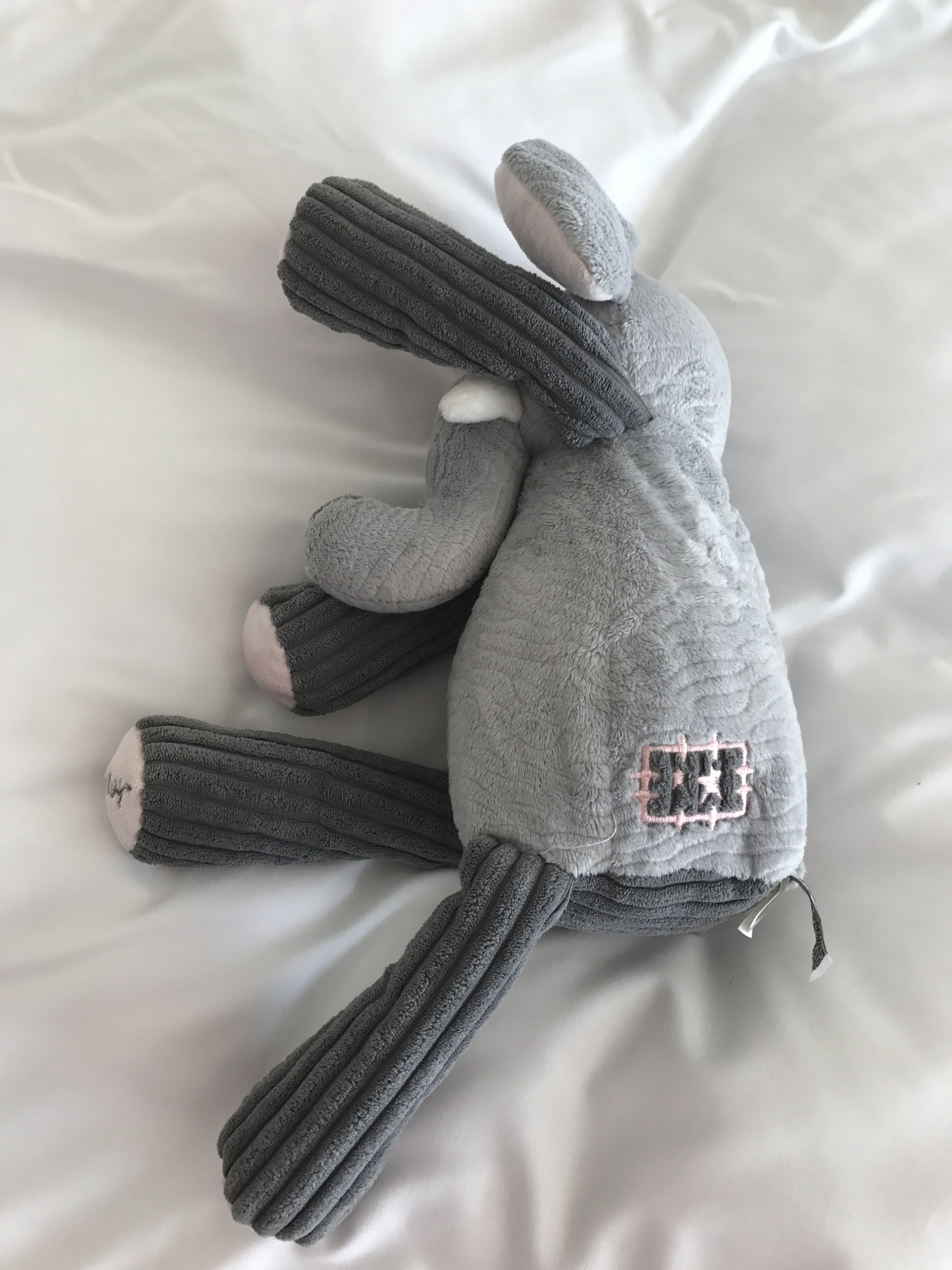
Remember Fufu who wanted so desperately to come on this trip? Well, he got a bit of altitude sickness and refused to come along for the last few adventures. Hopefully he will feel better soon. Poor little Fufu. 

Pisac II

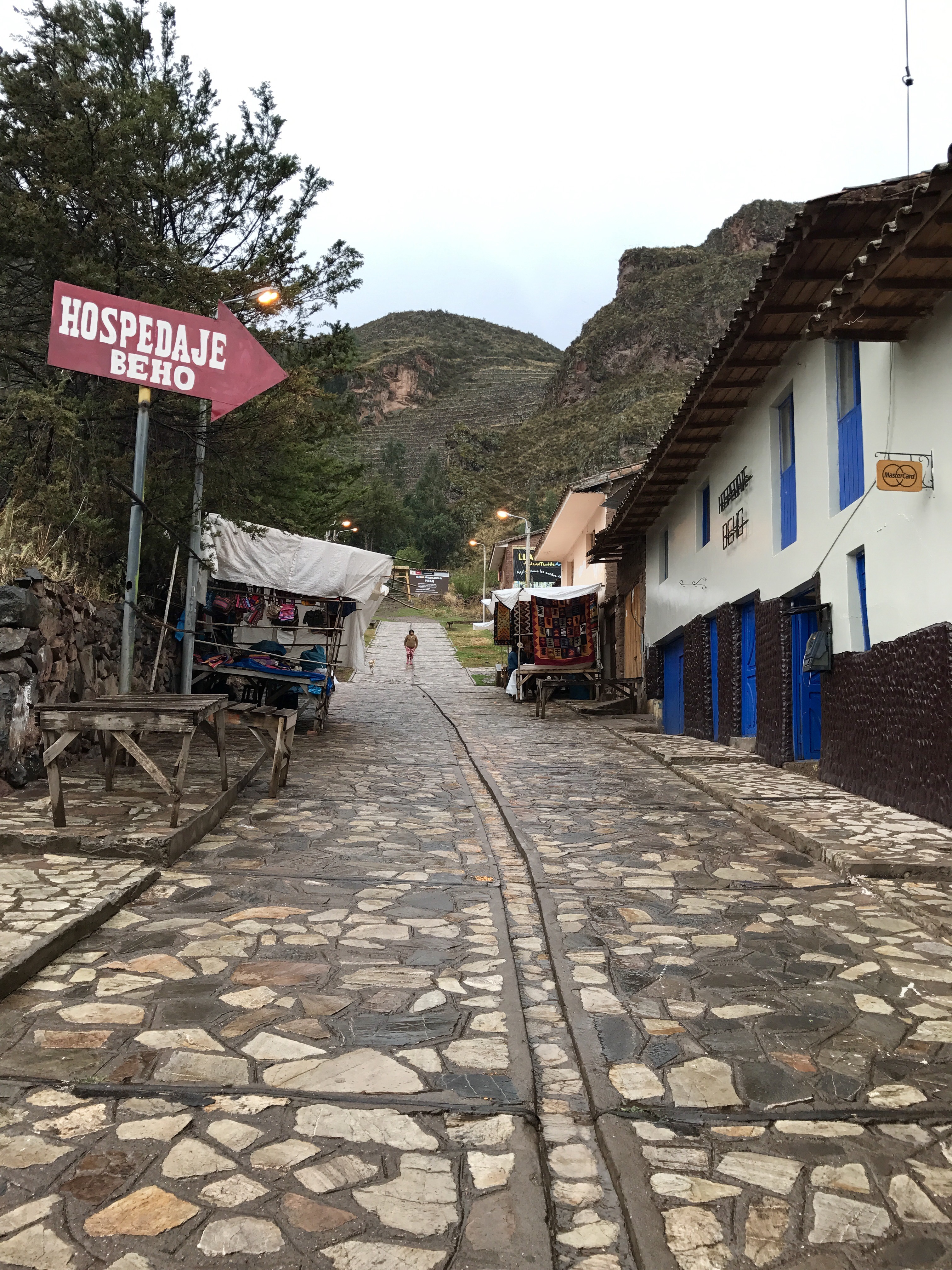
The afternoon brought a light drizzle of rain. It is the beginning of Springtime here, which means the beginning of the rainy season. 

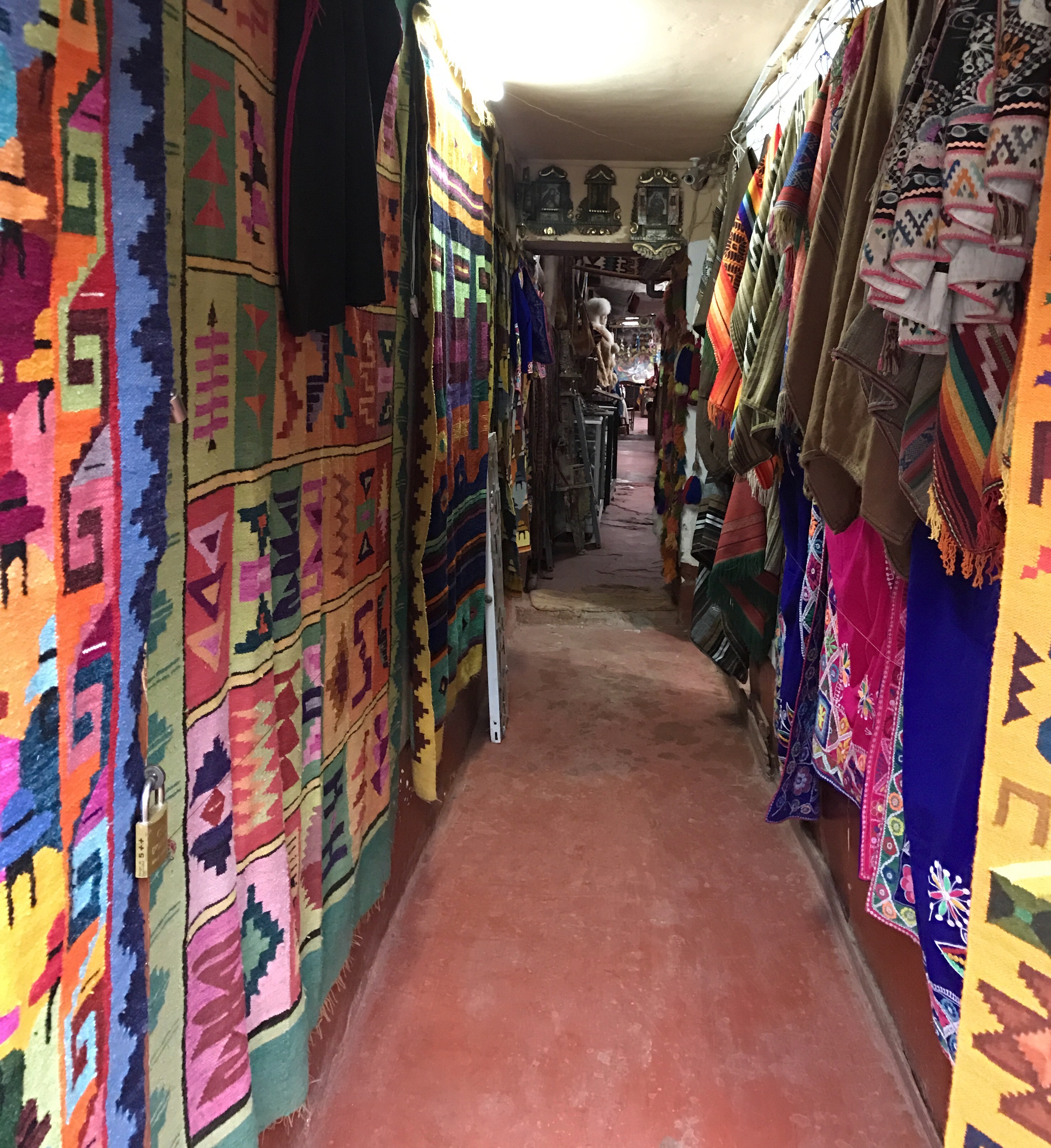
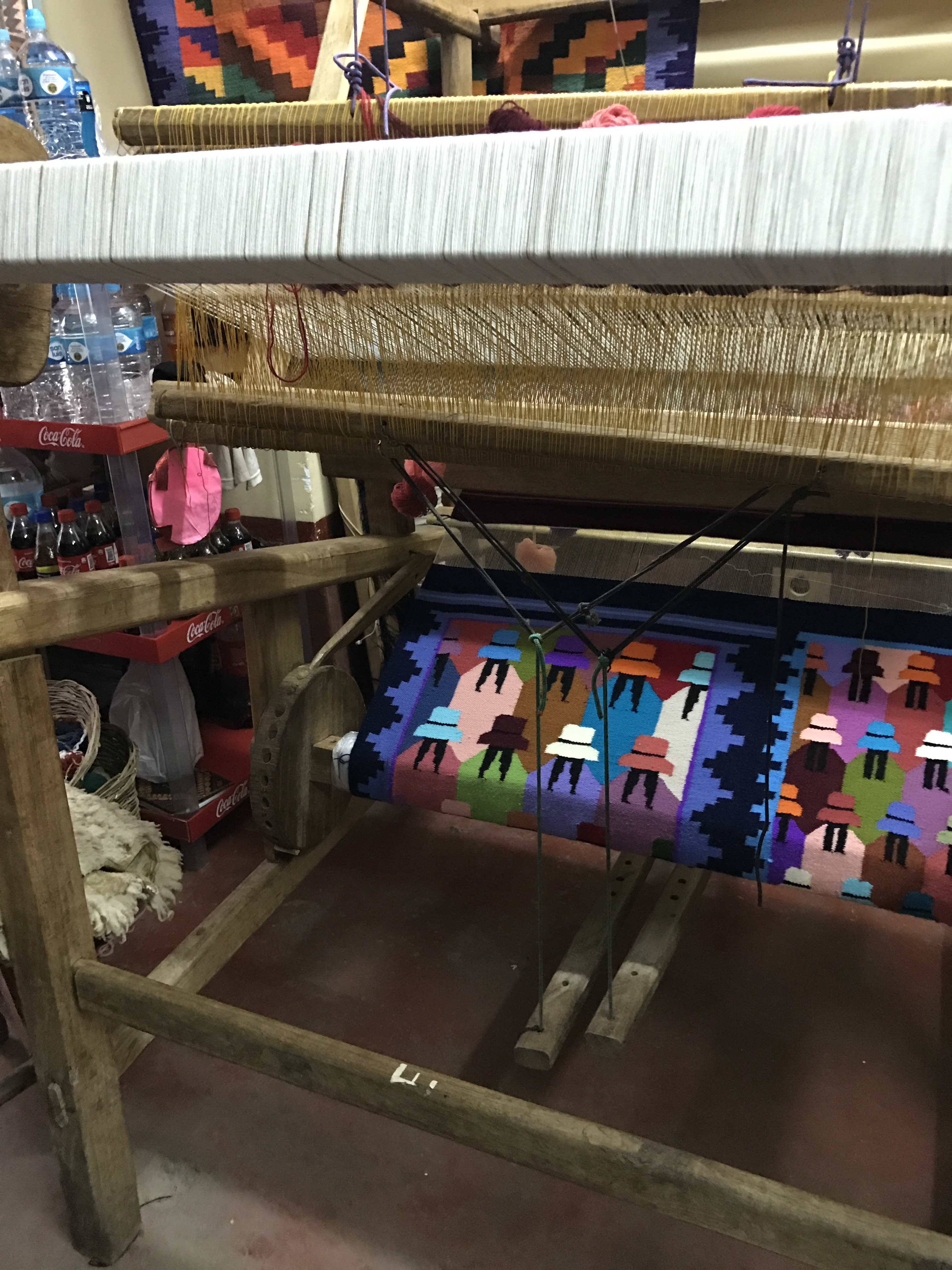
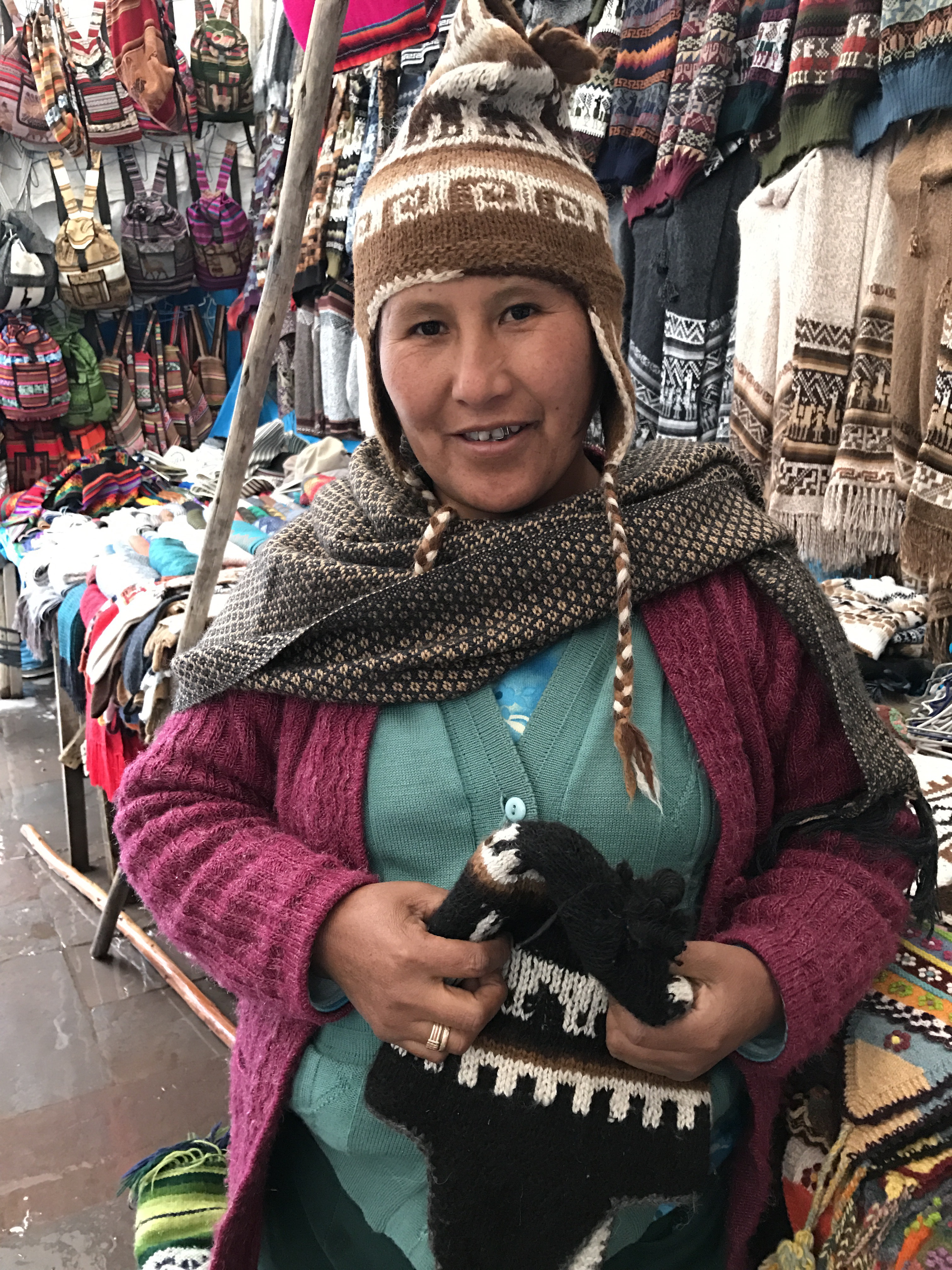
We enjoyed a quiet time wandering among the market booths admiring the lively colors and friendly people. It felt like we had the place to ourselves. Most of the tourists disappeared. 

Pisac

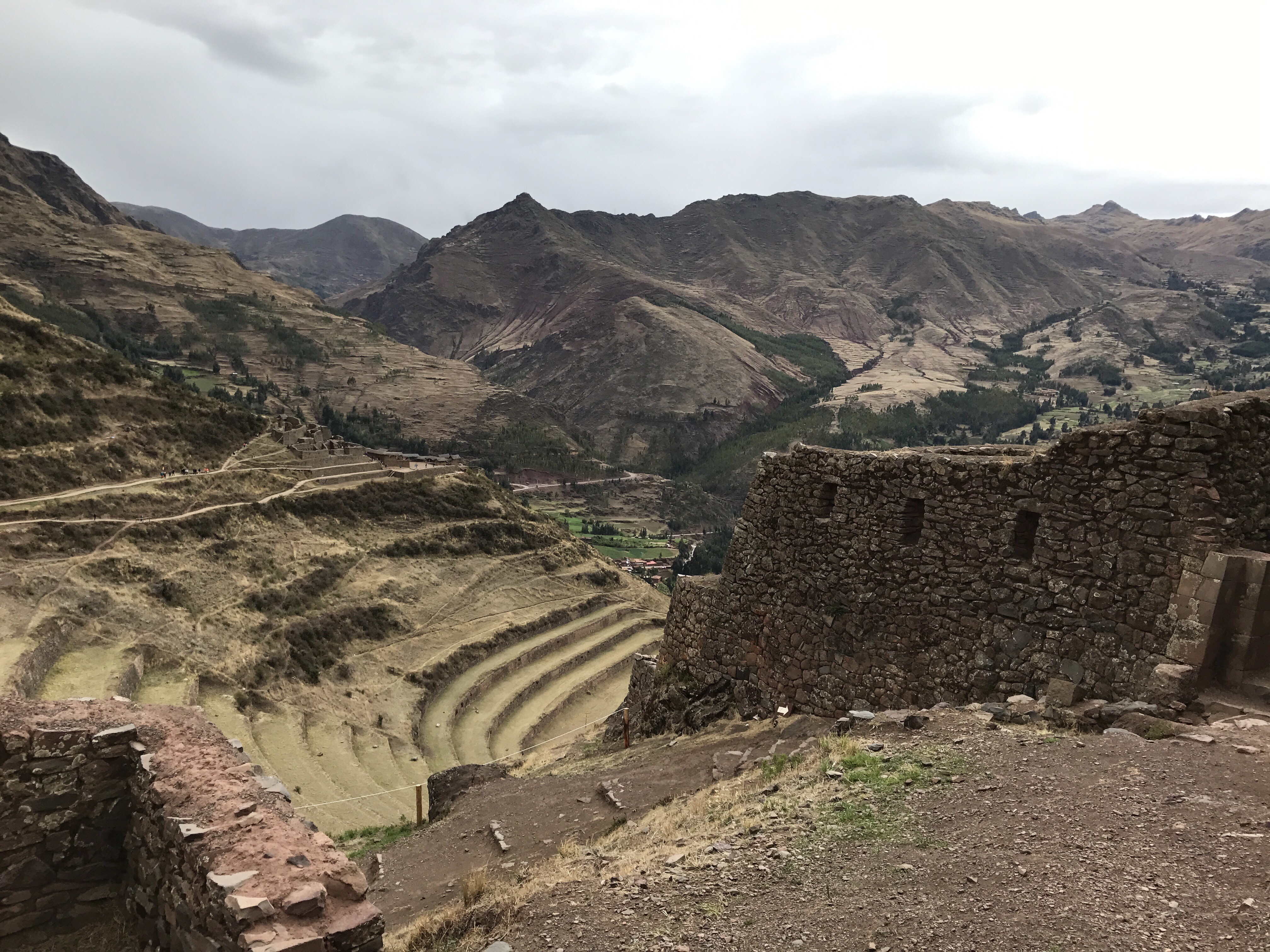
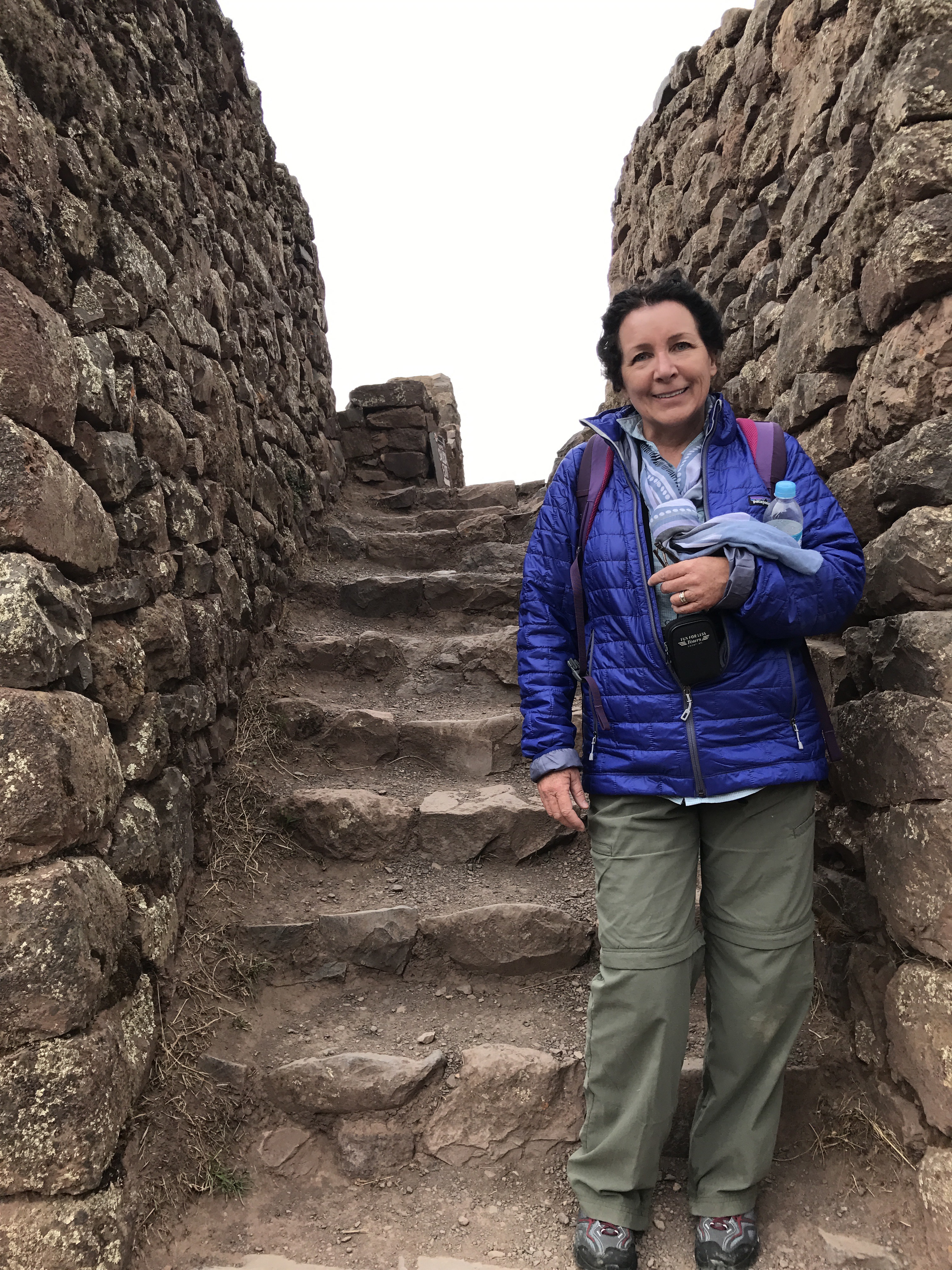
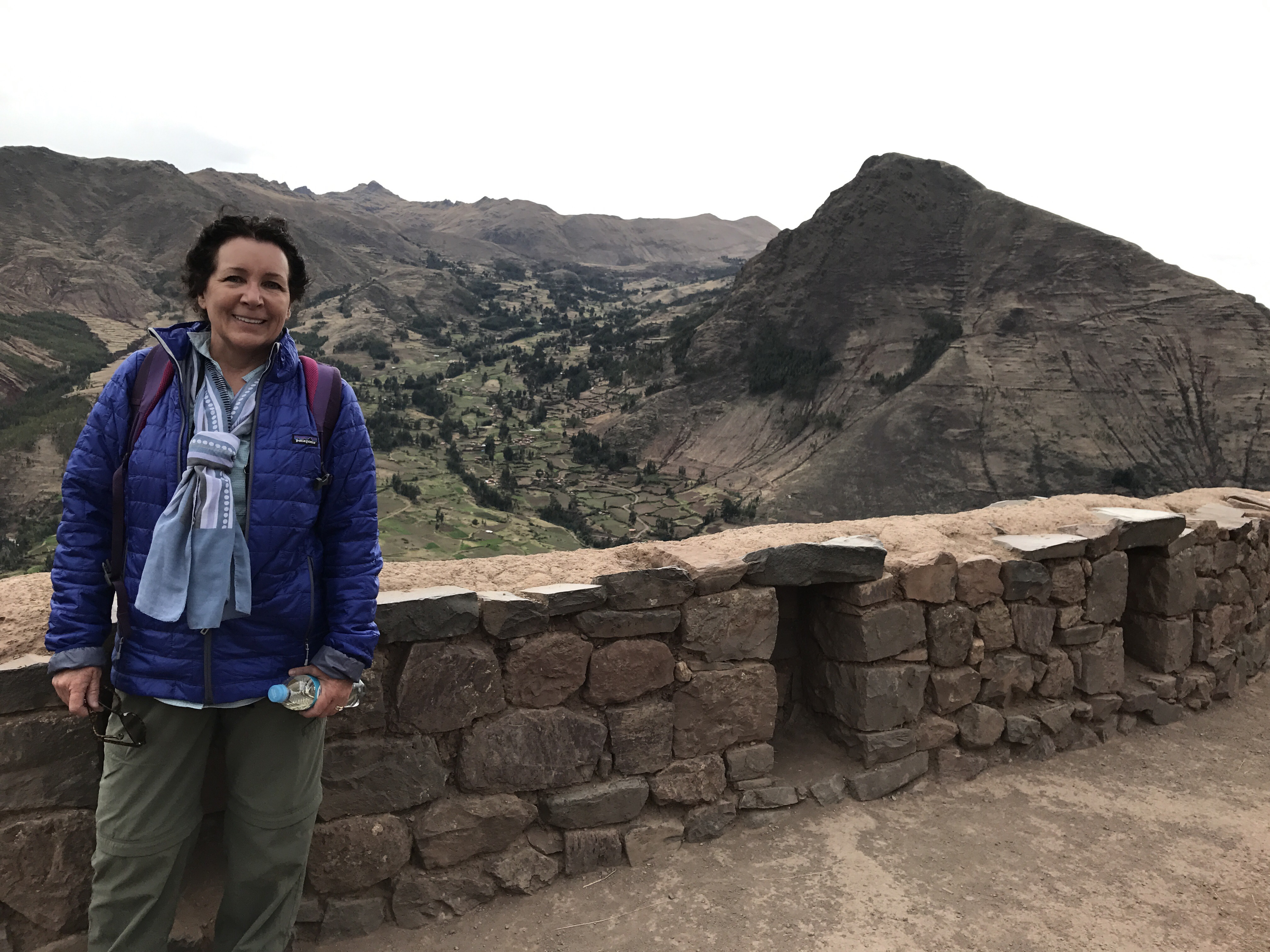
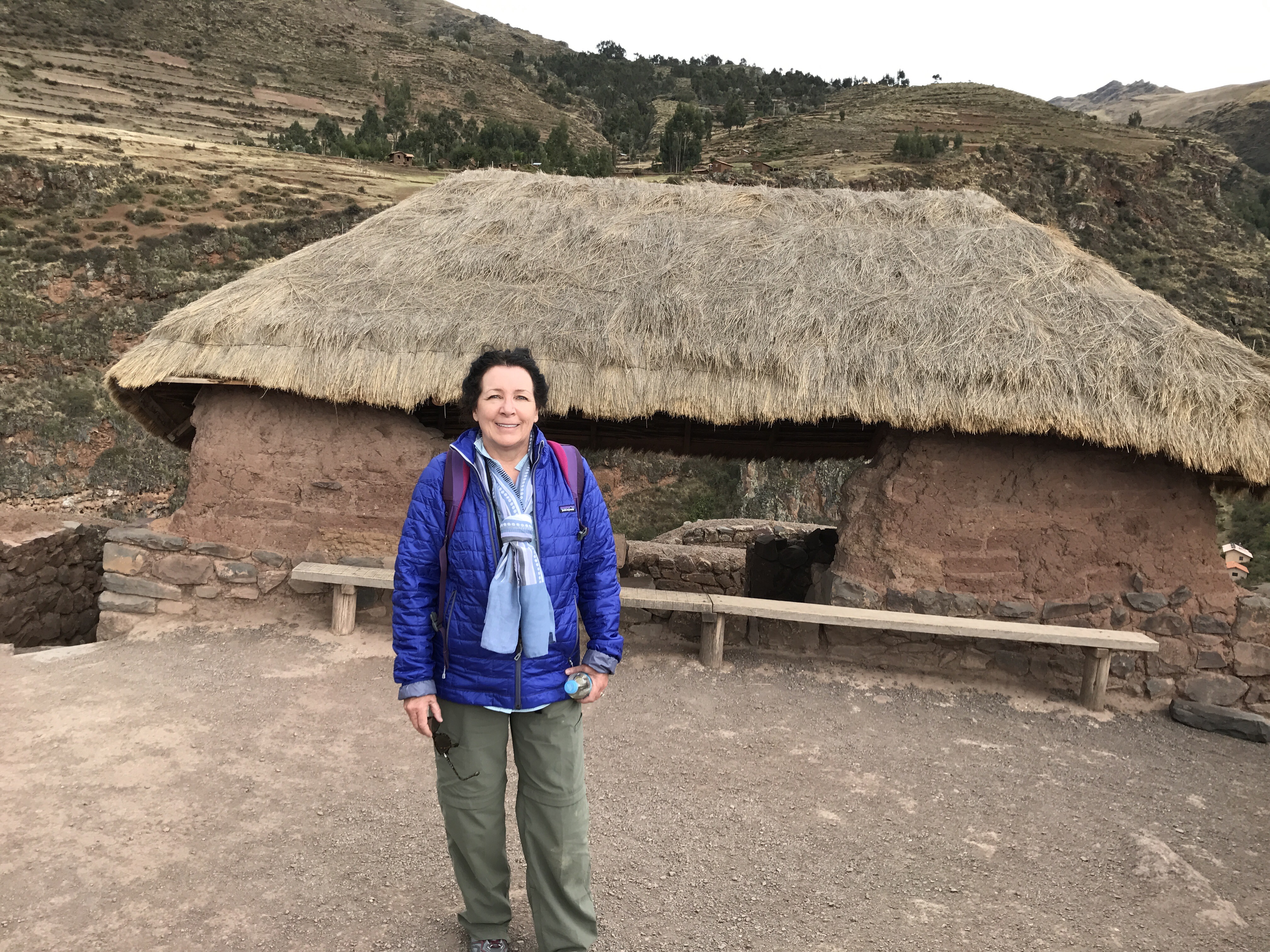
Located in the opposite end of the sacred Urubamba Valley is Pisac… the village and the archaeological site. 


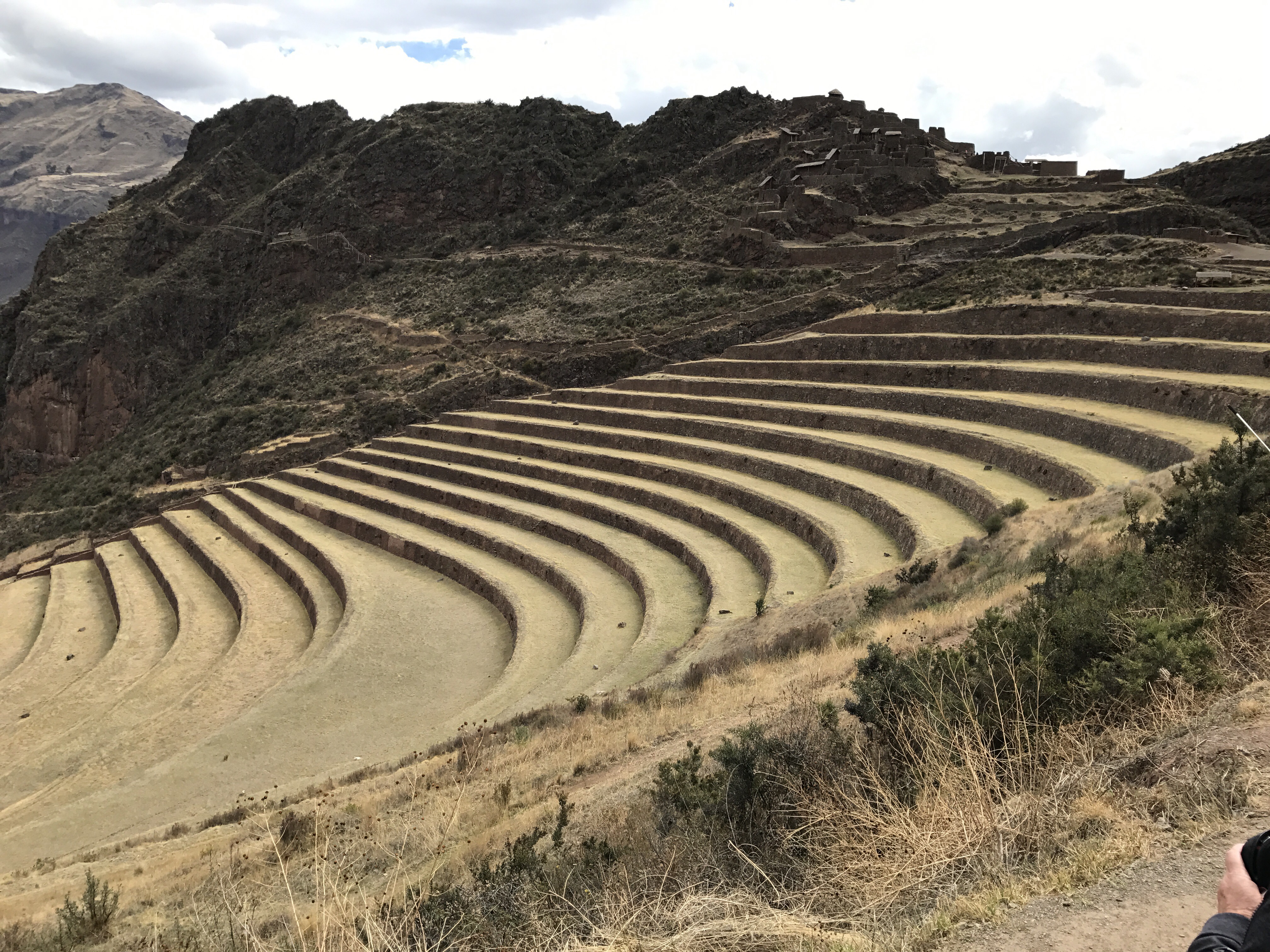
The terraces are beautiful. 


Trying to post pics before we leave wifi service. So not much commentary at this time. 


The hike to the tower on top was hard and exhausting. The atitude is over 9,000 feet. Makes hiking so much harder. John stayed down a little lower since the altitude got to him. 

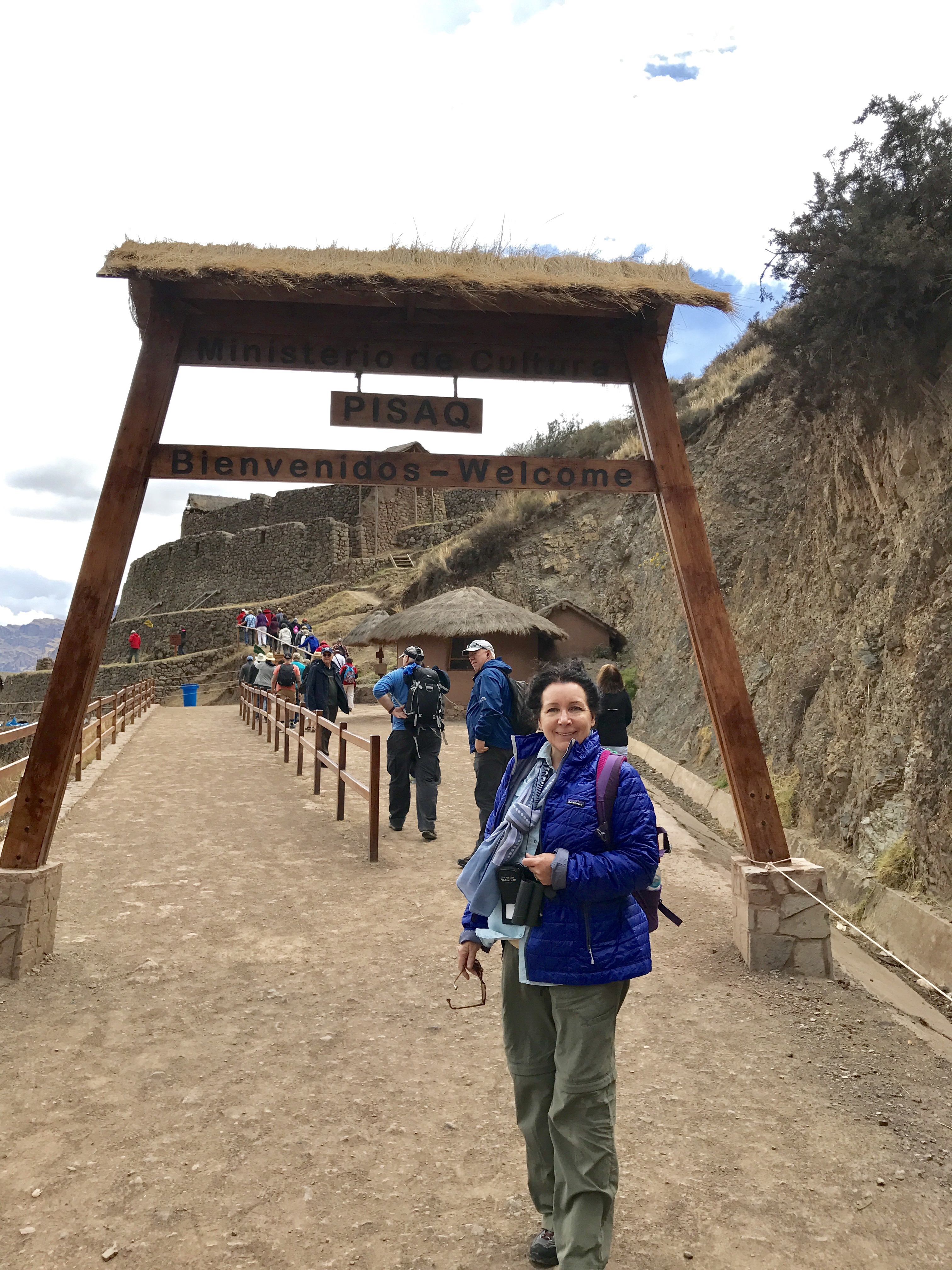
Here is a pic of me at the top of Pisac ruins. 

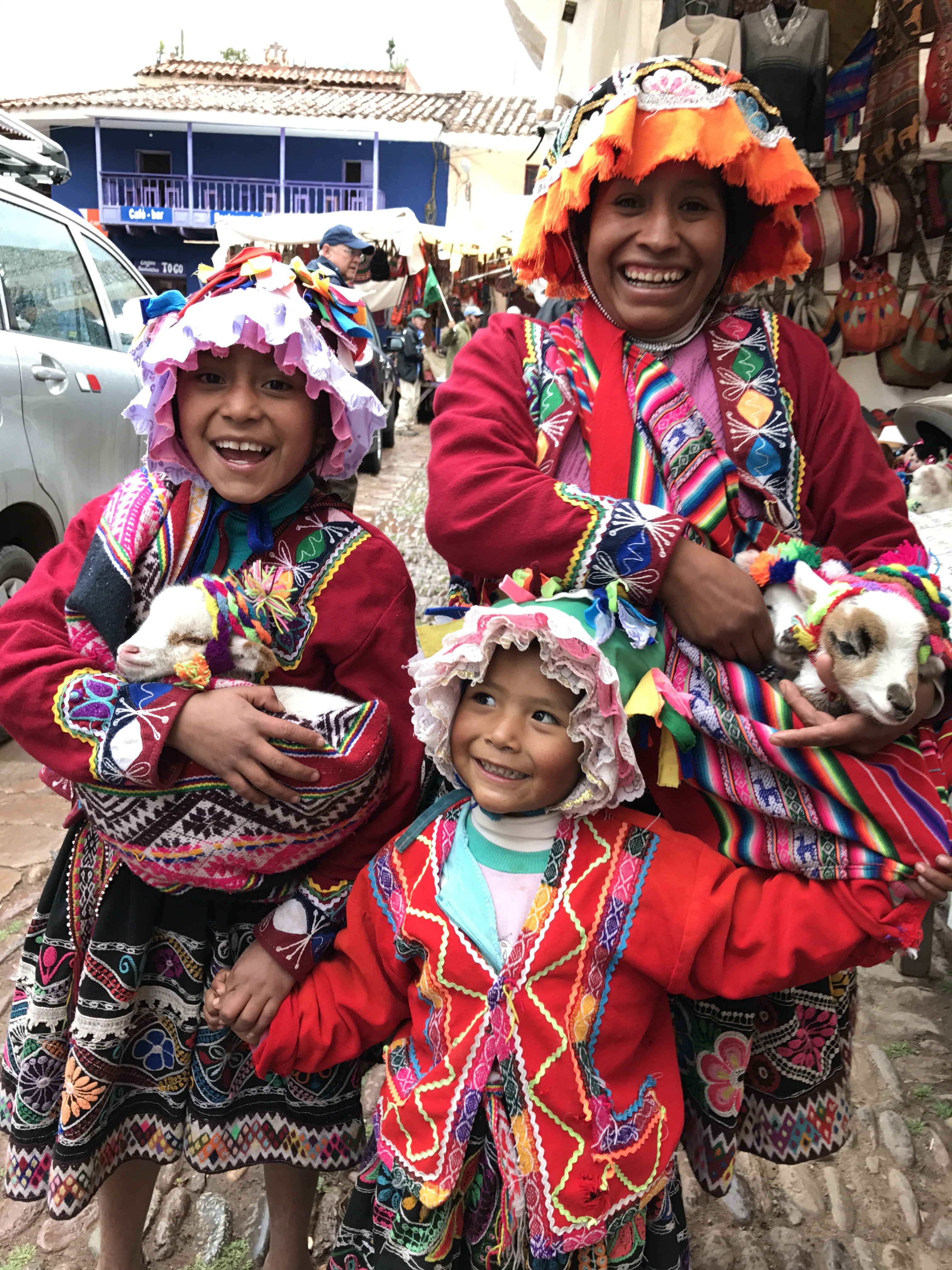
We spent a little time in the town and saw this cute family. Some native people dress in their local traditional clothing. For one sole, about 33 cents, you can take their picture. The cute little animals are llamas. 

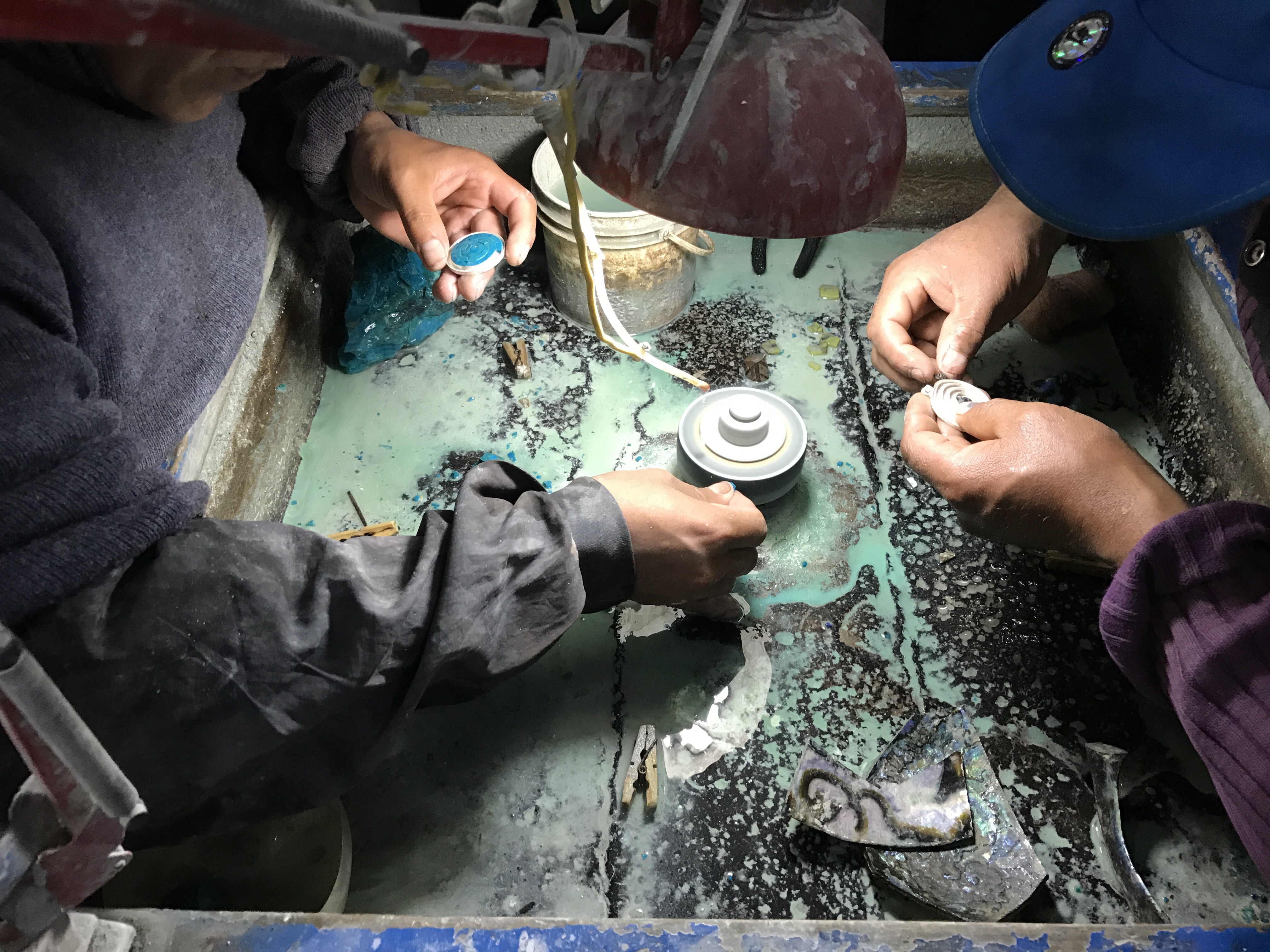
We were able to go to a silver factory and jewelry shop. It was quite interesting to learn how they make the jewelry. They start from the raw stone and cut and polish it then it is mounted in the highest quality of silver work. Containing only 5% copper and the rest of the metal pure silver, it never tarnishes. The jewelry is created at a small work bench. 

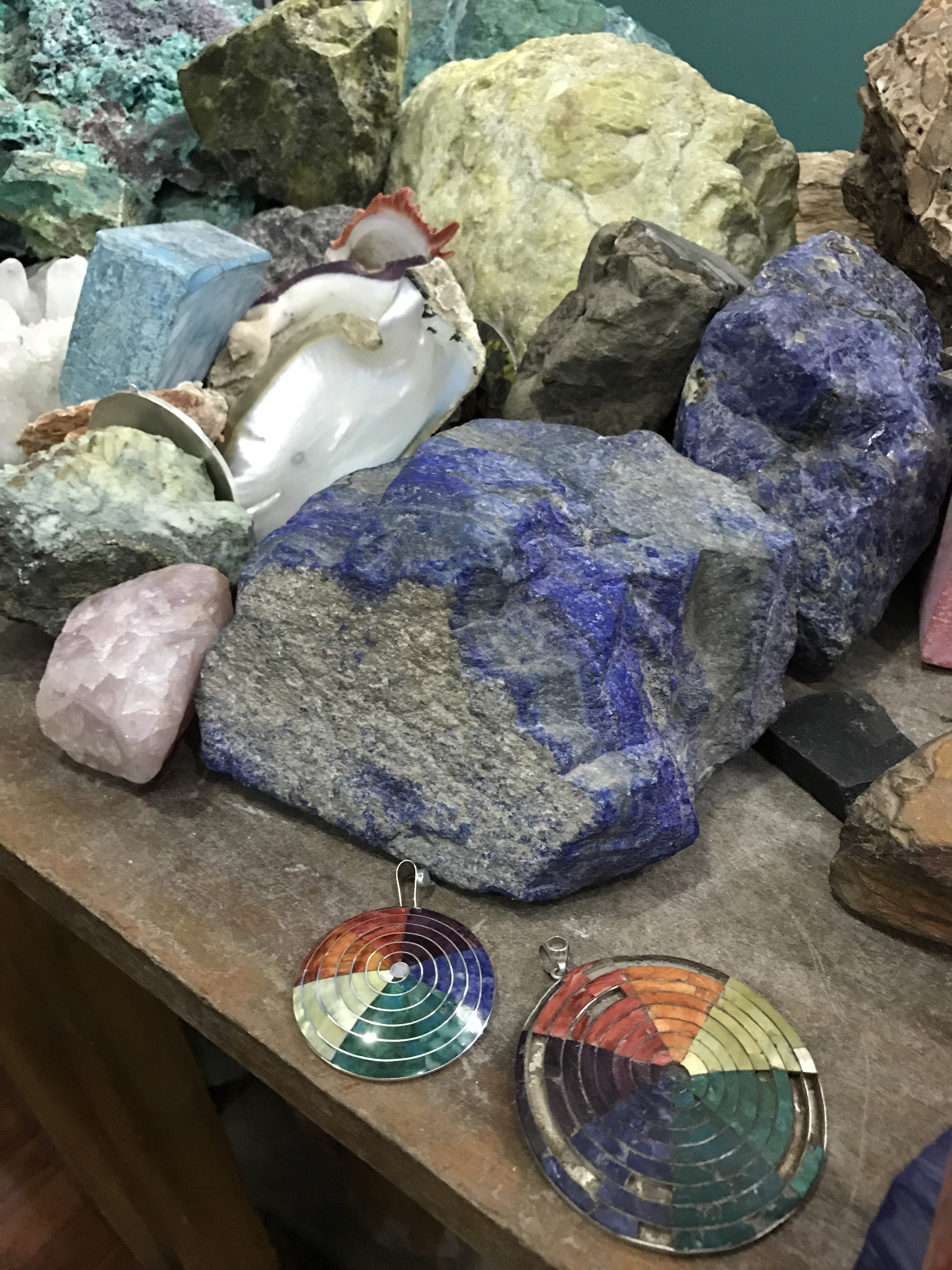
Various stones and shells used for jewelry making. The very large pendant on the right shows the inlay work in progress. The other pendant is finished. This pendent has a spiral which represents the Inka/Quechua ‘Pachamama’, or earth mother. The rainbow colors are Quechua. 

 The significance and meanings for each color are as follows: Red: The Earth and the Andean man, Orange: Society and culture, Yellow: Energy, White: Time, Green: Natural resources, Blue: The heavens, Violet: Andean government and self-determination

Ancient Urubamba

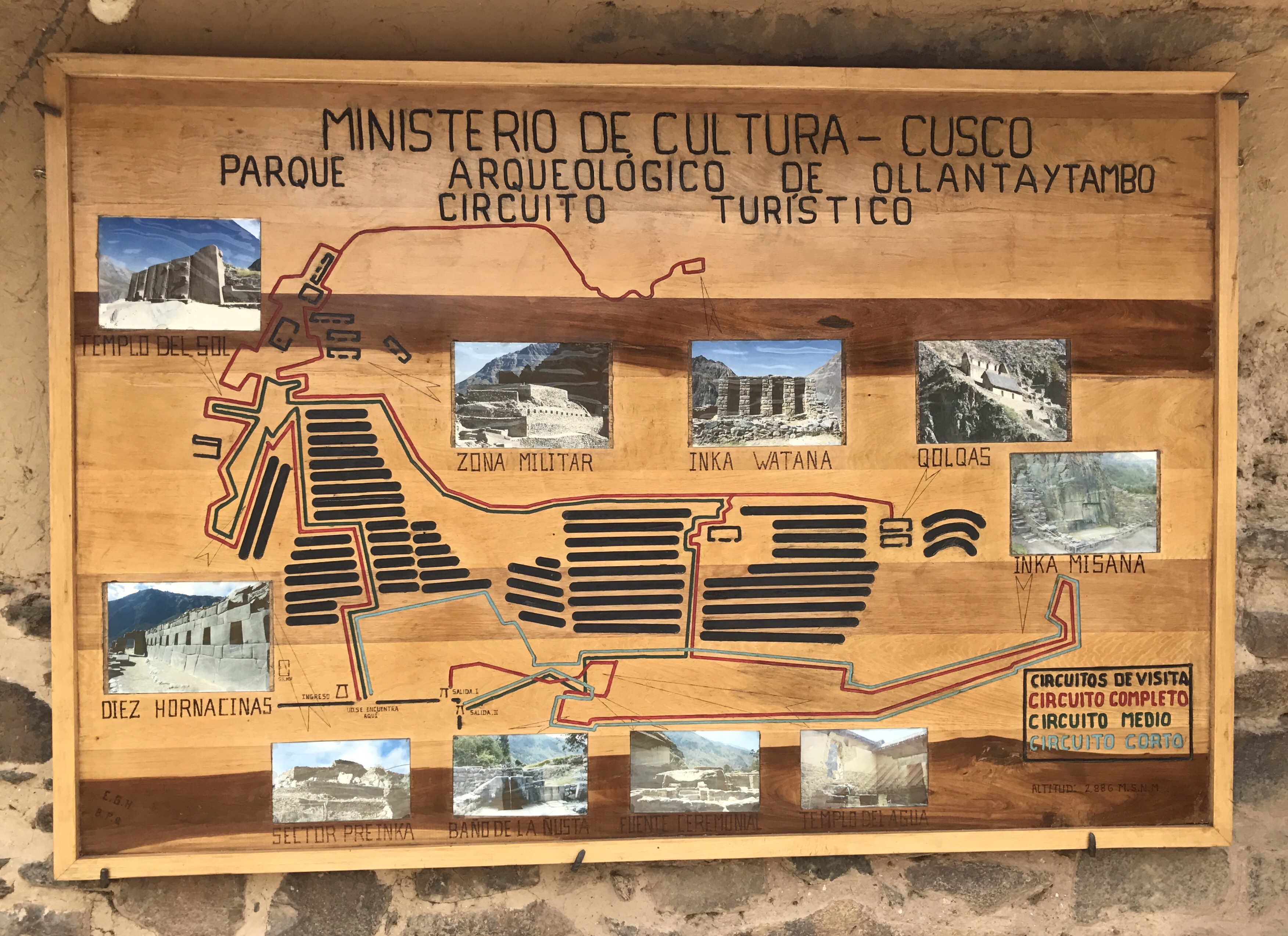
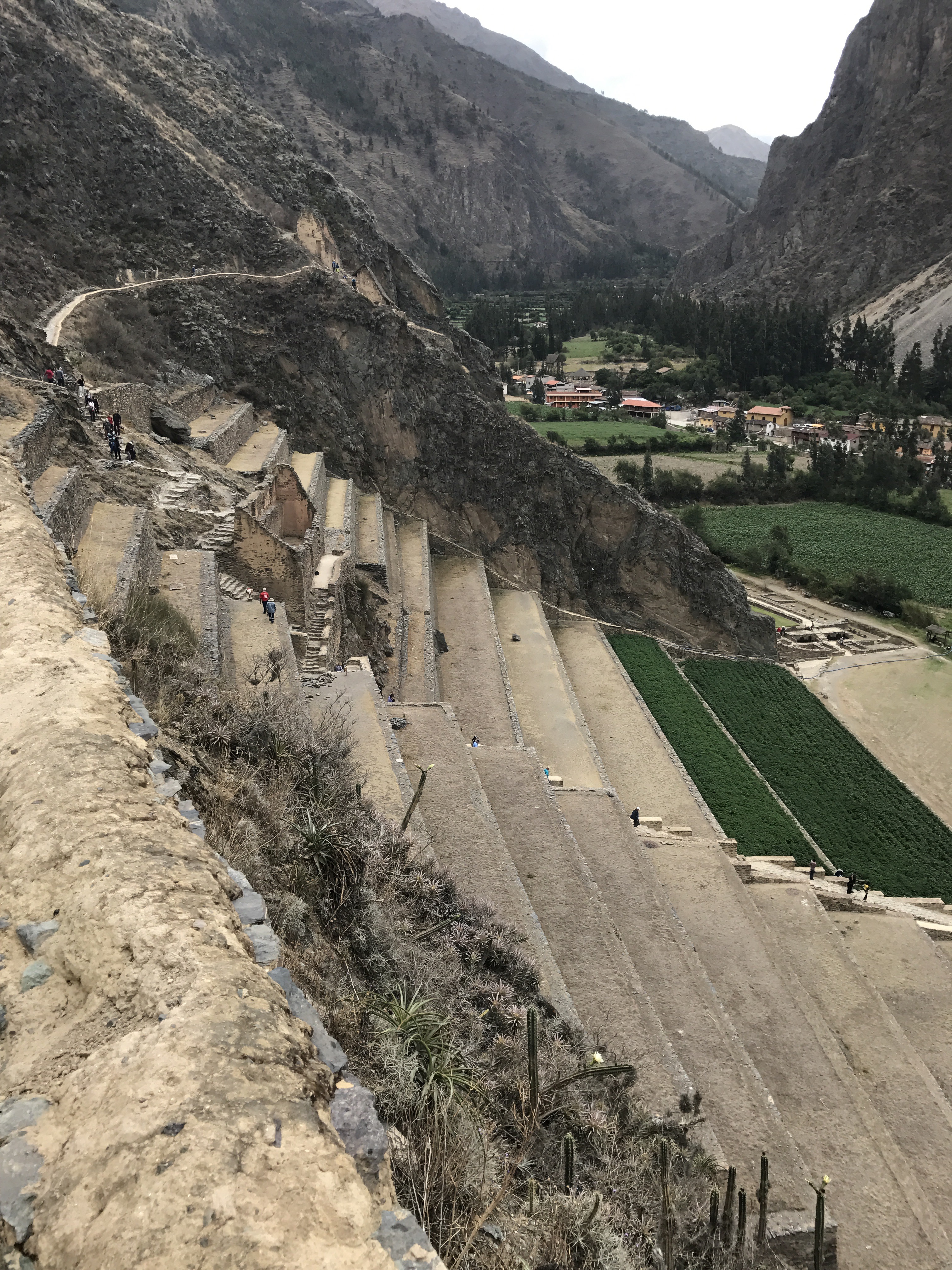
The archeological site of Urubamba rises above the busy little village. The site gives you an idea of how the Inka laid out the land to use it to the best advantage. Terracing used the steep hillsides to provide more area to farm. Each terrace was made by hauling stones up the steep hillside to form terraced walls. Next gravel, sand, and top soil were layered in the beds. This created a very fertile area to grow their corn and potatoes and other food stuffs. 


Rock work becomes more finely honed and well fitted as you move up the hillside to the ancient palace and ceremonial sites located near the top of the mountain. This holds true with all Inka construction. 


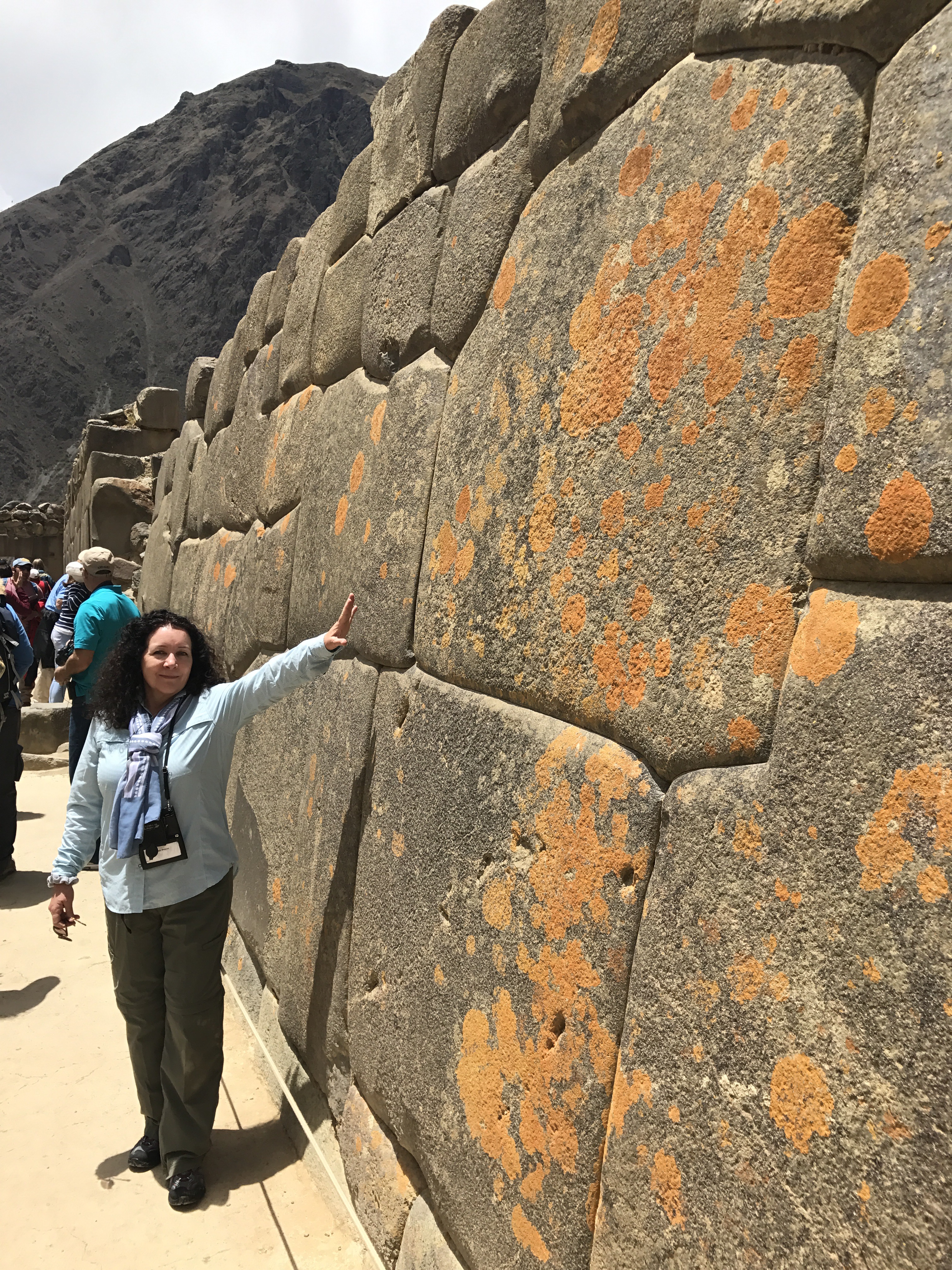
Look at the size of these blocks. Can you imagine what skill it took to cut, move, and fit these stones together in such an amazing fashion?


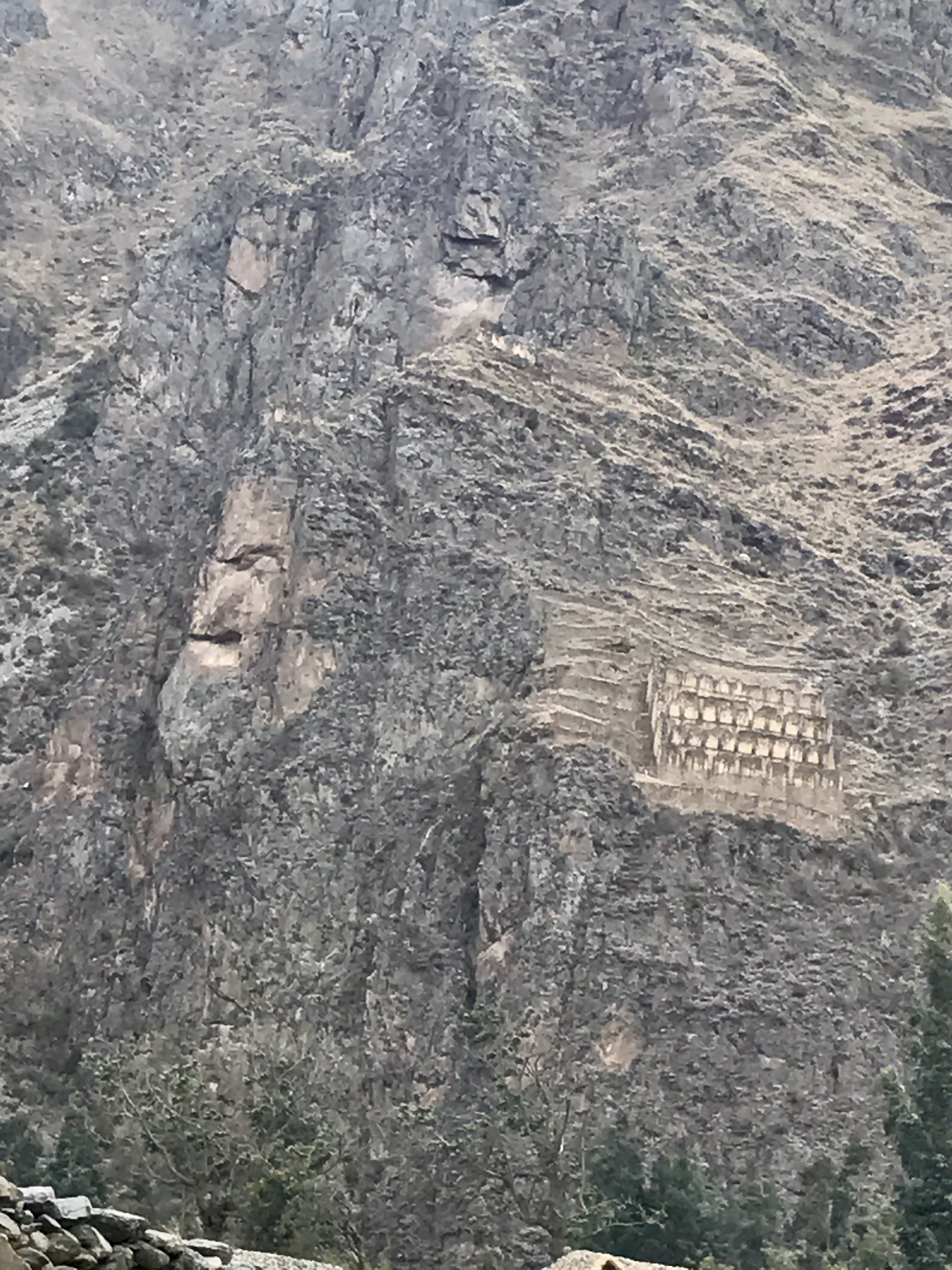
You’re still with me? Good. I have a little puzzle for you. In the next picture of the mountainside that overlooks Ollantaytambo there are two impressive Inka structures. See if you can find them. First find the stacked stone structures. These were for storage of food and grain. The other is the face of an old man. 


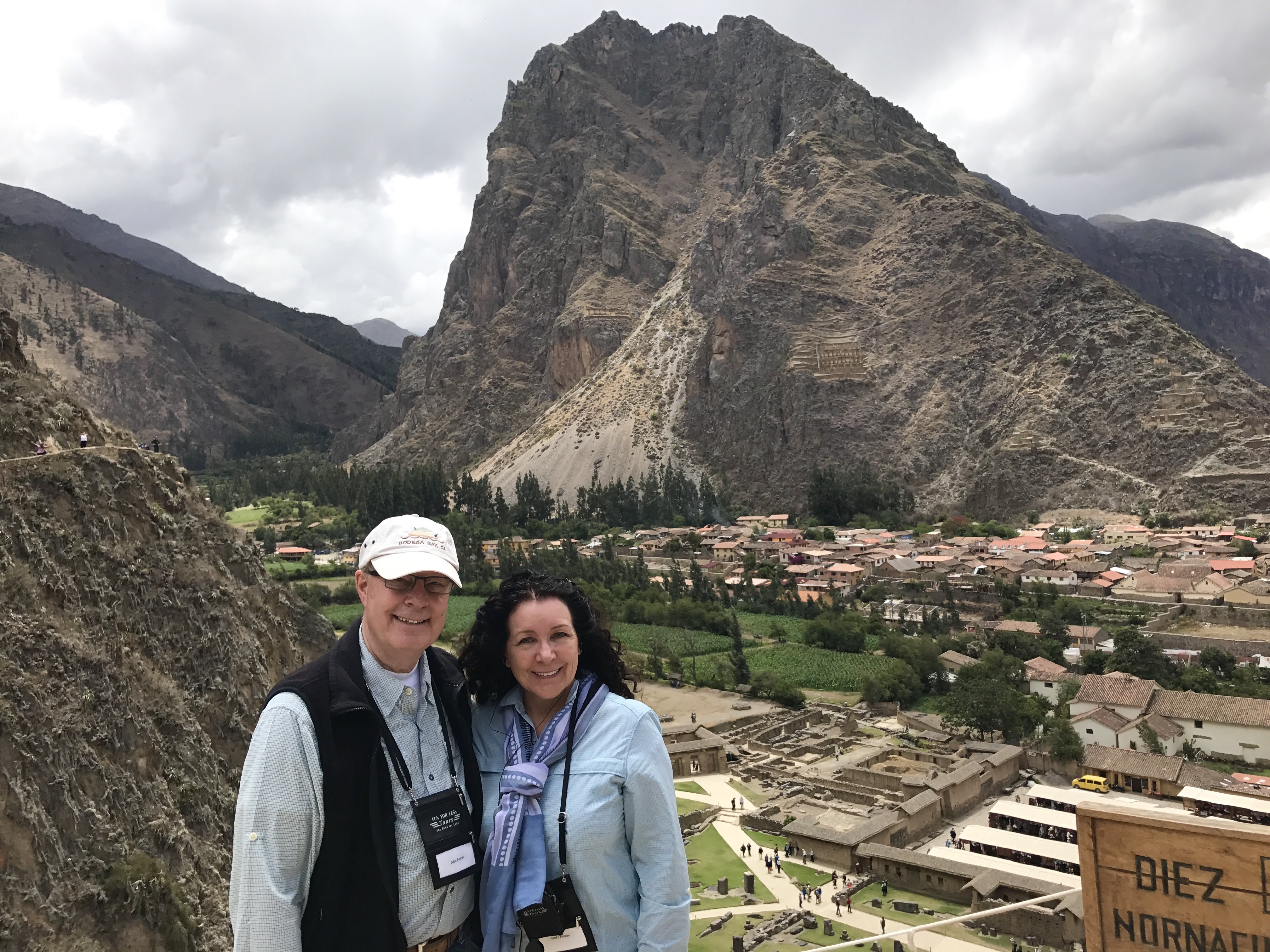
Find them? I probably made it too easy for you. Try again as you look at this lovely picture of the village and mountains of Ollantaytambo. 

Urubamba – The Sacred Valley

The Sacred Valley of the Incas through which runs the sacred Urubamba river. 

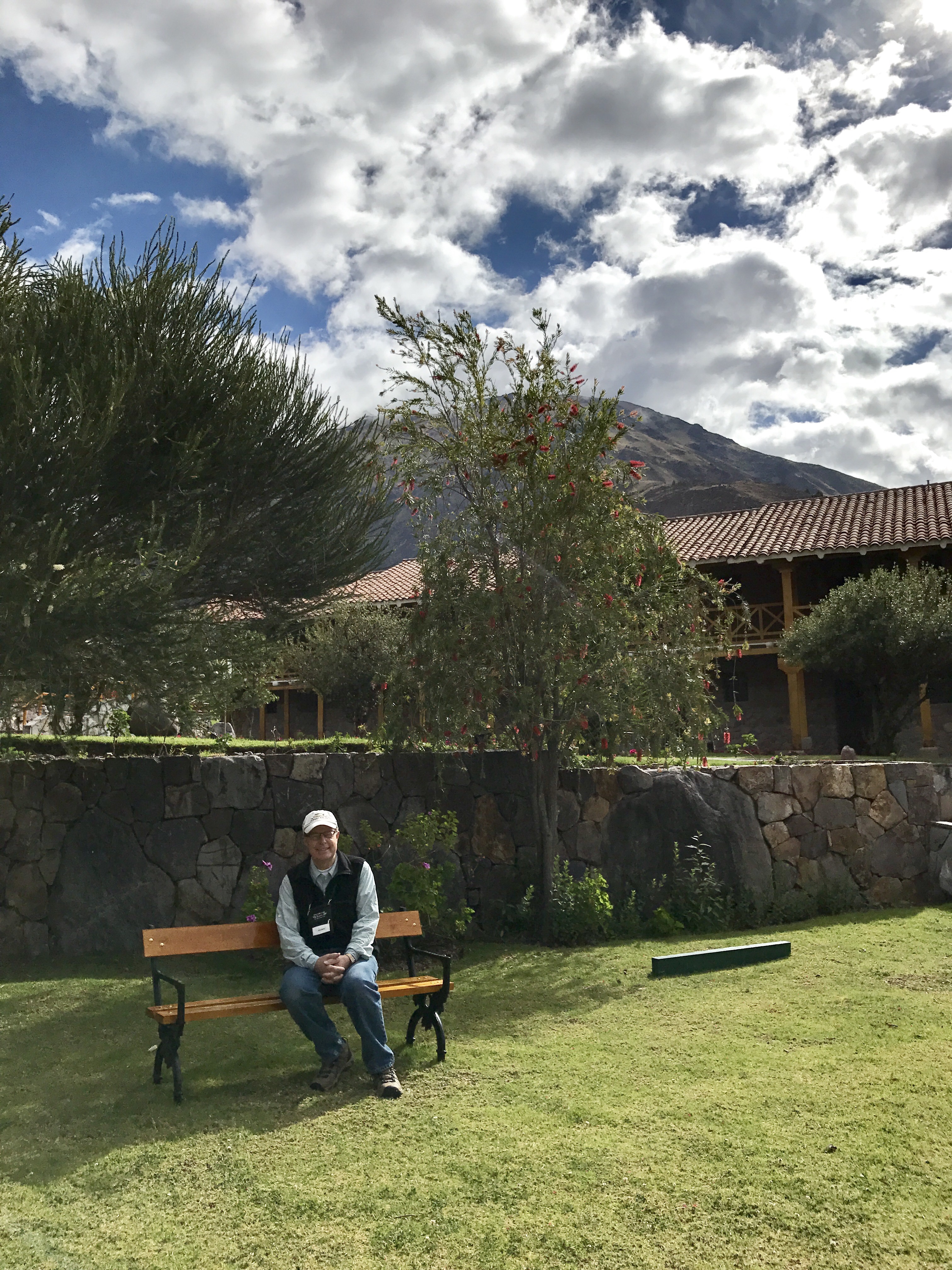
Our stay for the next few days was in this beautiful valley at a lovely resort. 
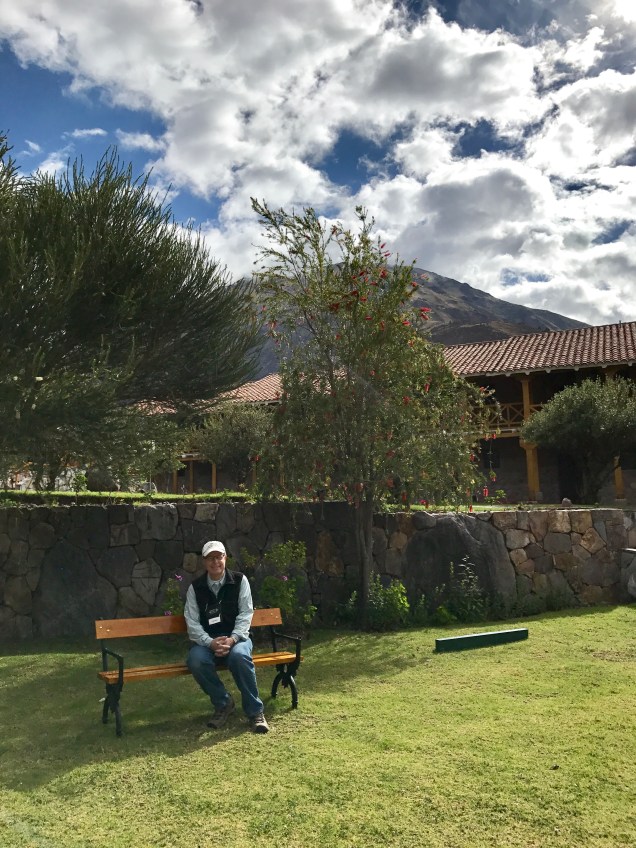

We began our adventure with an excursion at one end of the valley to the archeological site of Ollantaytambo. Our first stop, the village of Ollantaytambo. 

But first, time out for a little cultural interest item. Did you know the ancient people of this place are called Quechua? These are the same people we call Inka. The word Inca or Inka, actually refers only to the king. The king is Inka. The people are Quechua. 

The most common language in Peru is actually Quechua, although Spanish is spoken everywhere. 

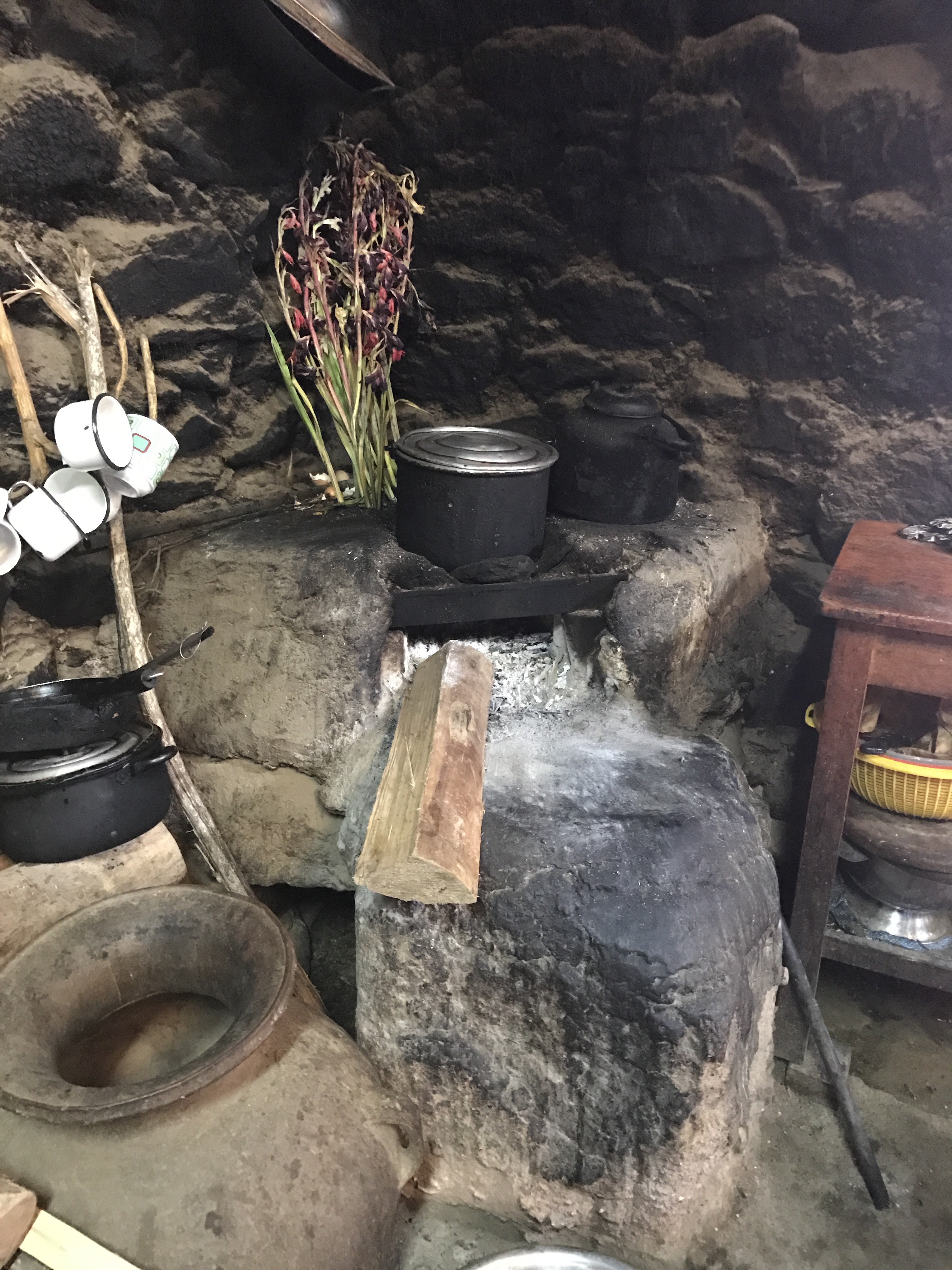
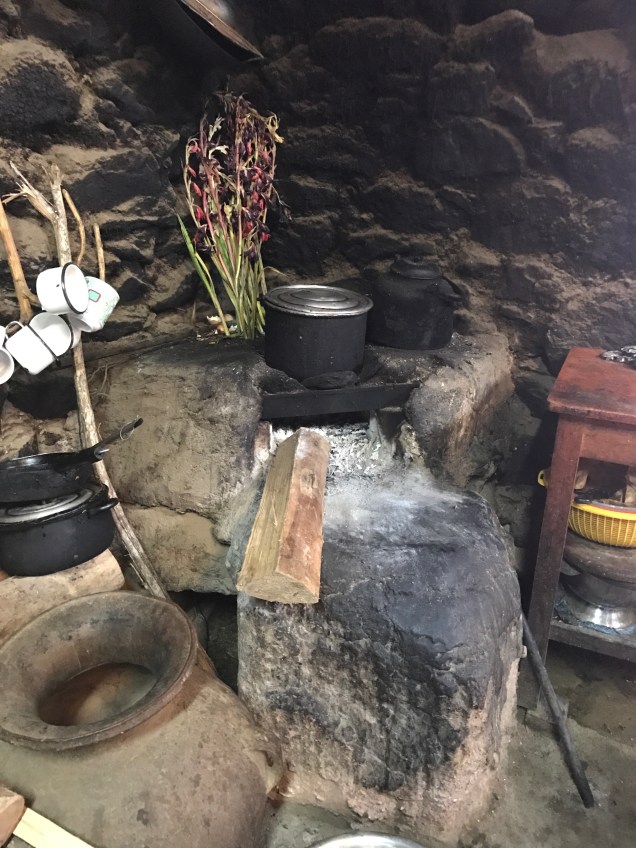
A most generous and kind Quechua woman let us tour her traditional home. 

This is the cooking area of the home. 
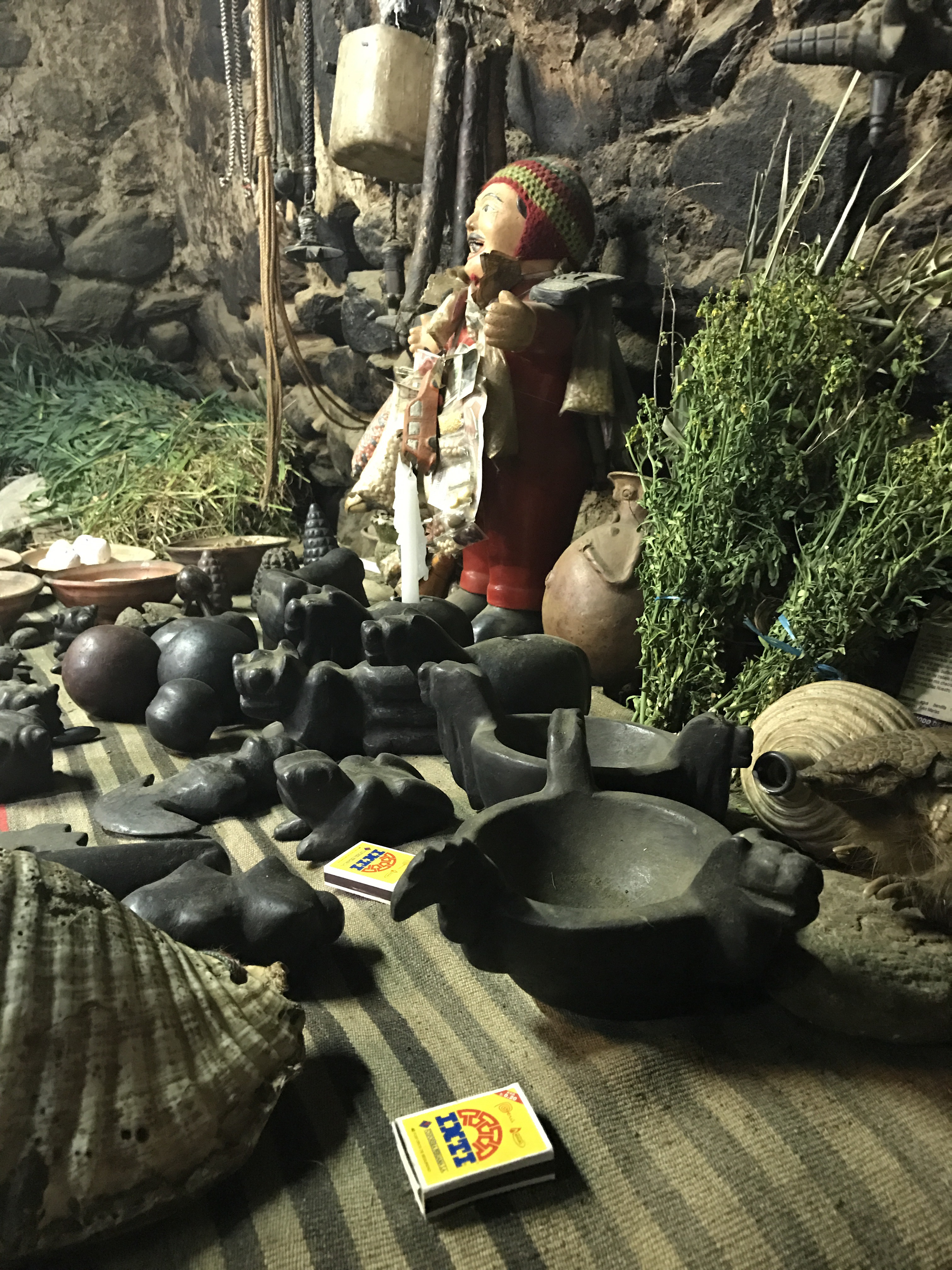
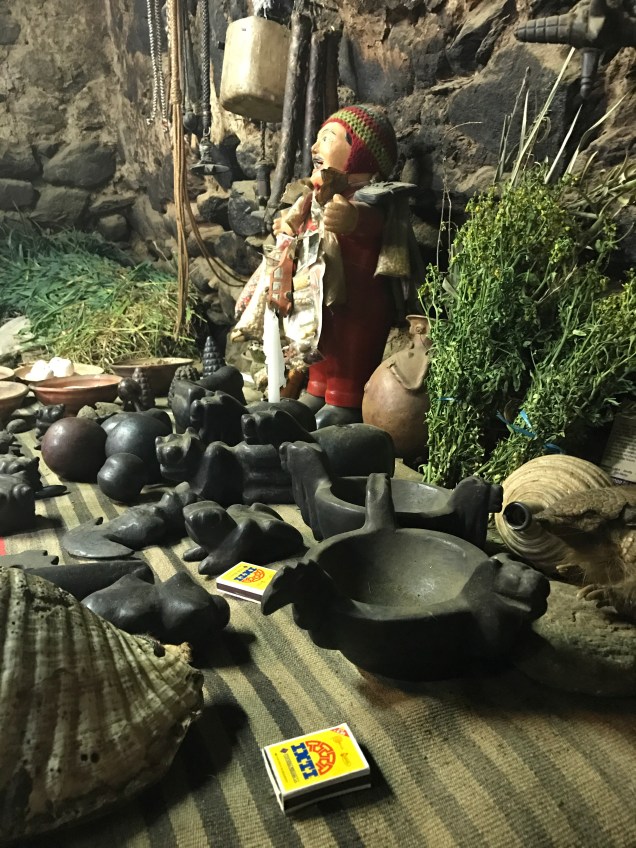
An altar that displays many native artifacts. Even matches??? Don’t have photoshop to edit out but you get the idea. Above this altar was a sacred area for honoring the ancestors as well as various instruments of Quechua life. 
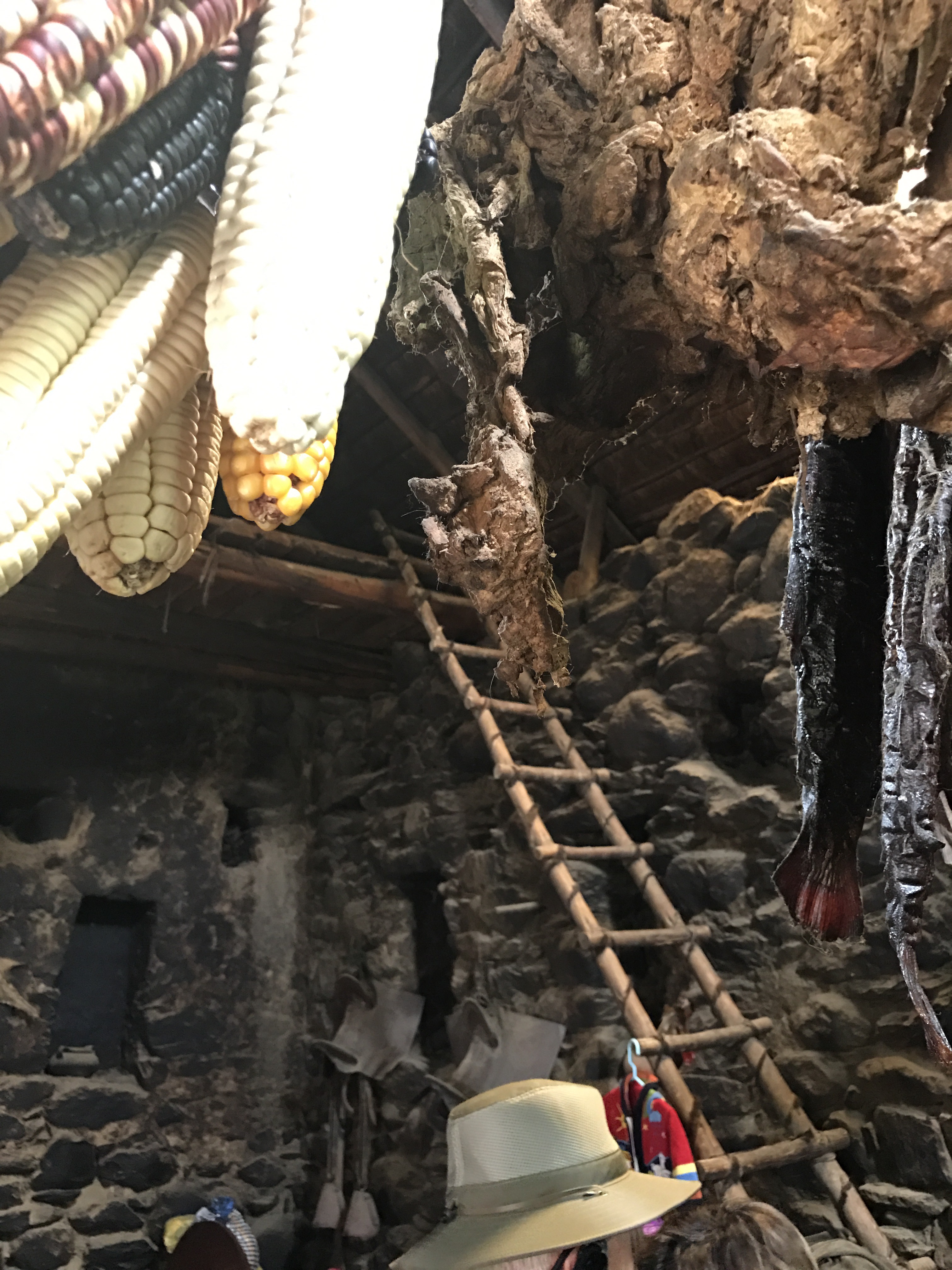
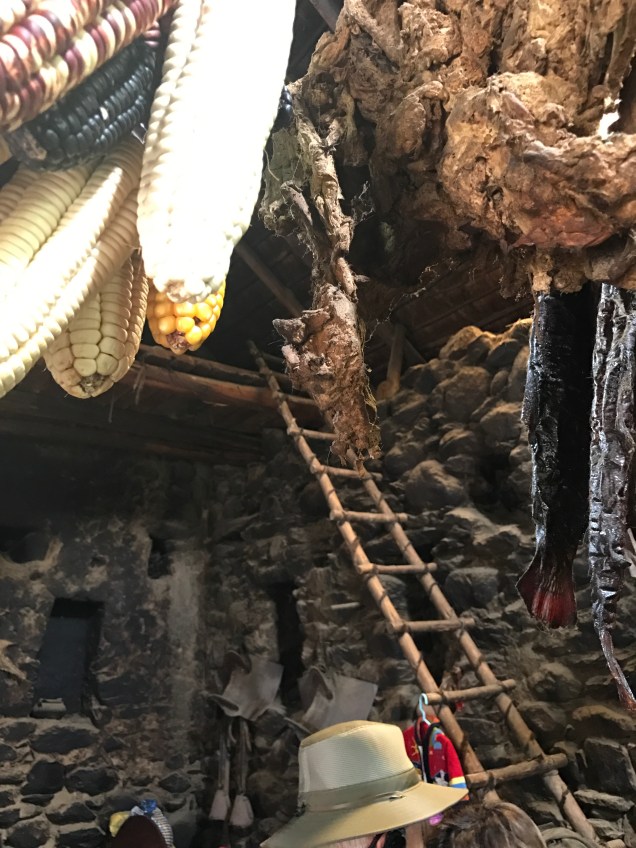
Dried corn and jerked llama hung from the rafters. 
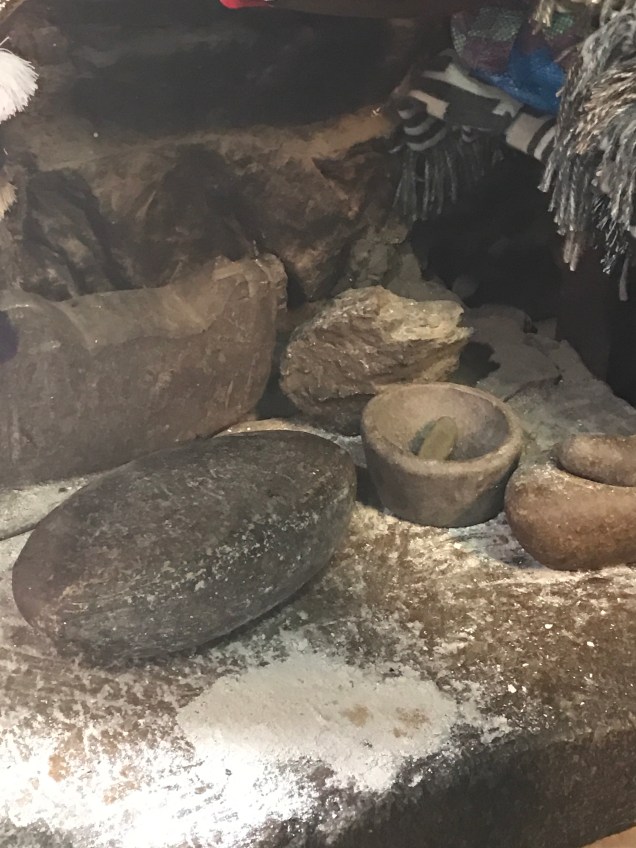
One area set aside for grinding of various grains. The Quechua people have over 147 (this number changes based on who is telling the story) varieties of corn. Each of the kernels on the cob are huge!! Three times the size of corn kernels in USA. 
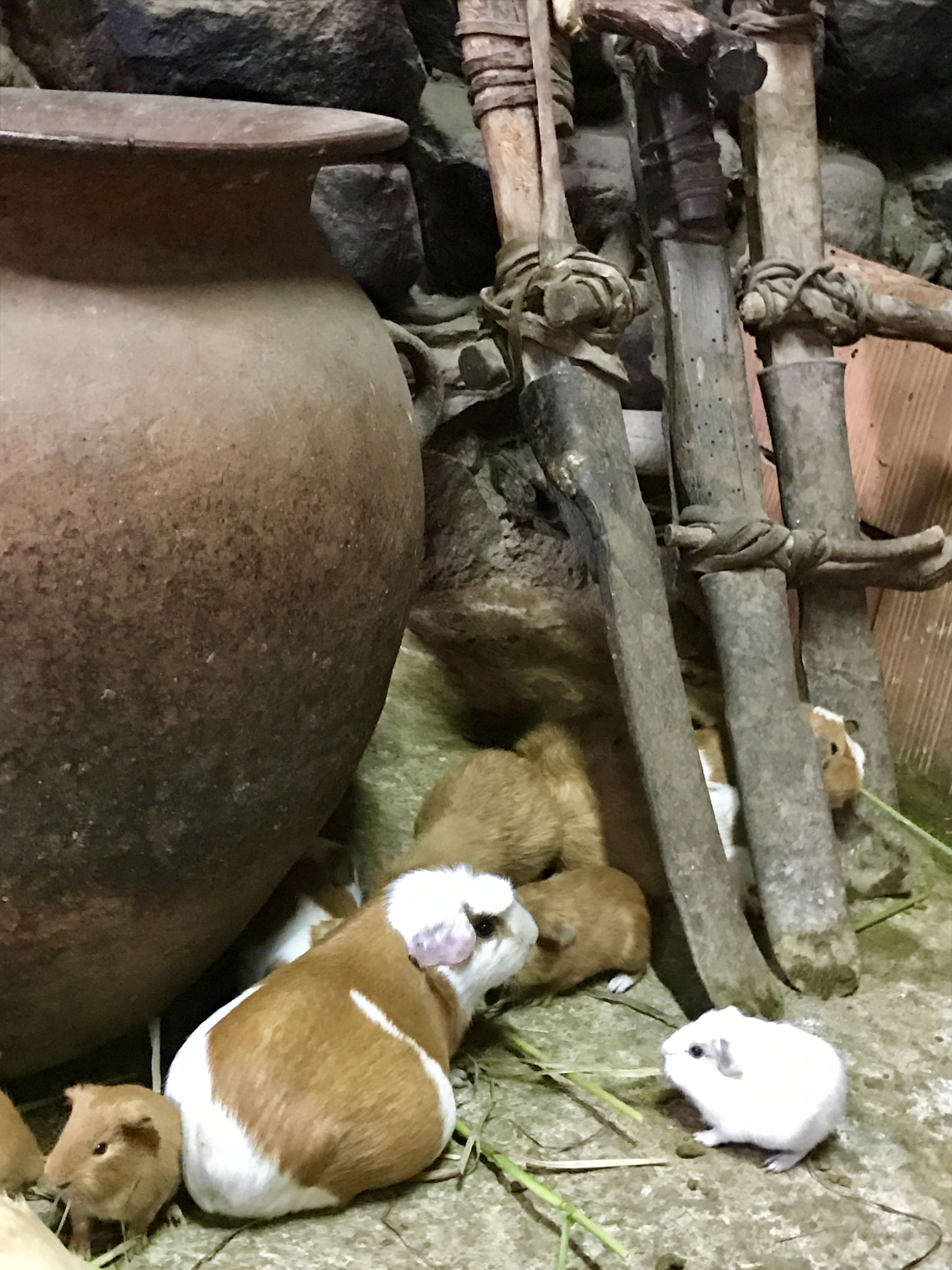
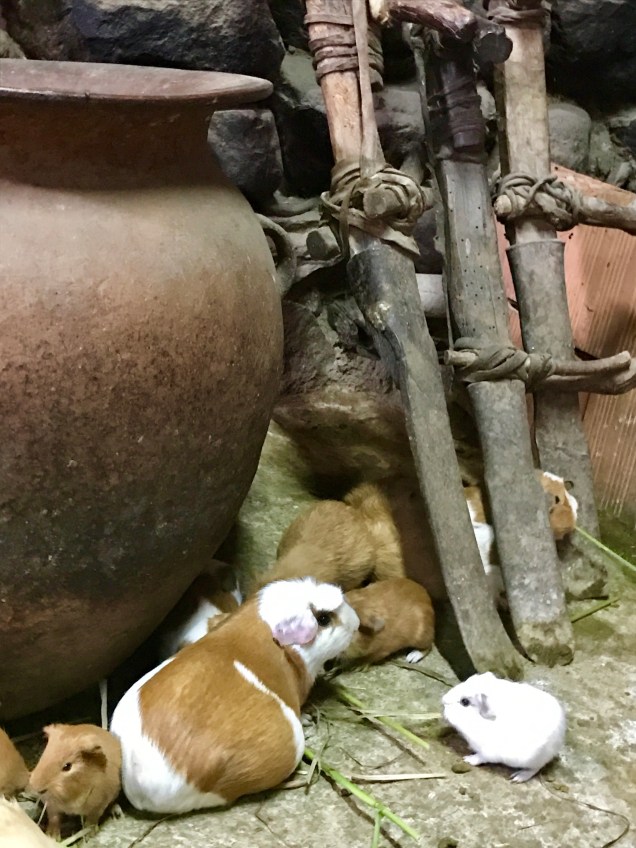
AND.. prepare to be most surprised by this next bit. In the home were little squealing guinea pigs scurrying all over the grey stone floors. Some babies, some bulging at the sides with new little guinea pigs waiting to be born. When inquiries were made we learned the cute little furry critters are for food. Yes. Mostly for very special occasions. 
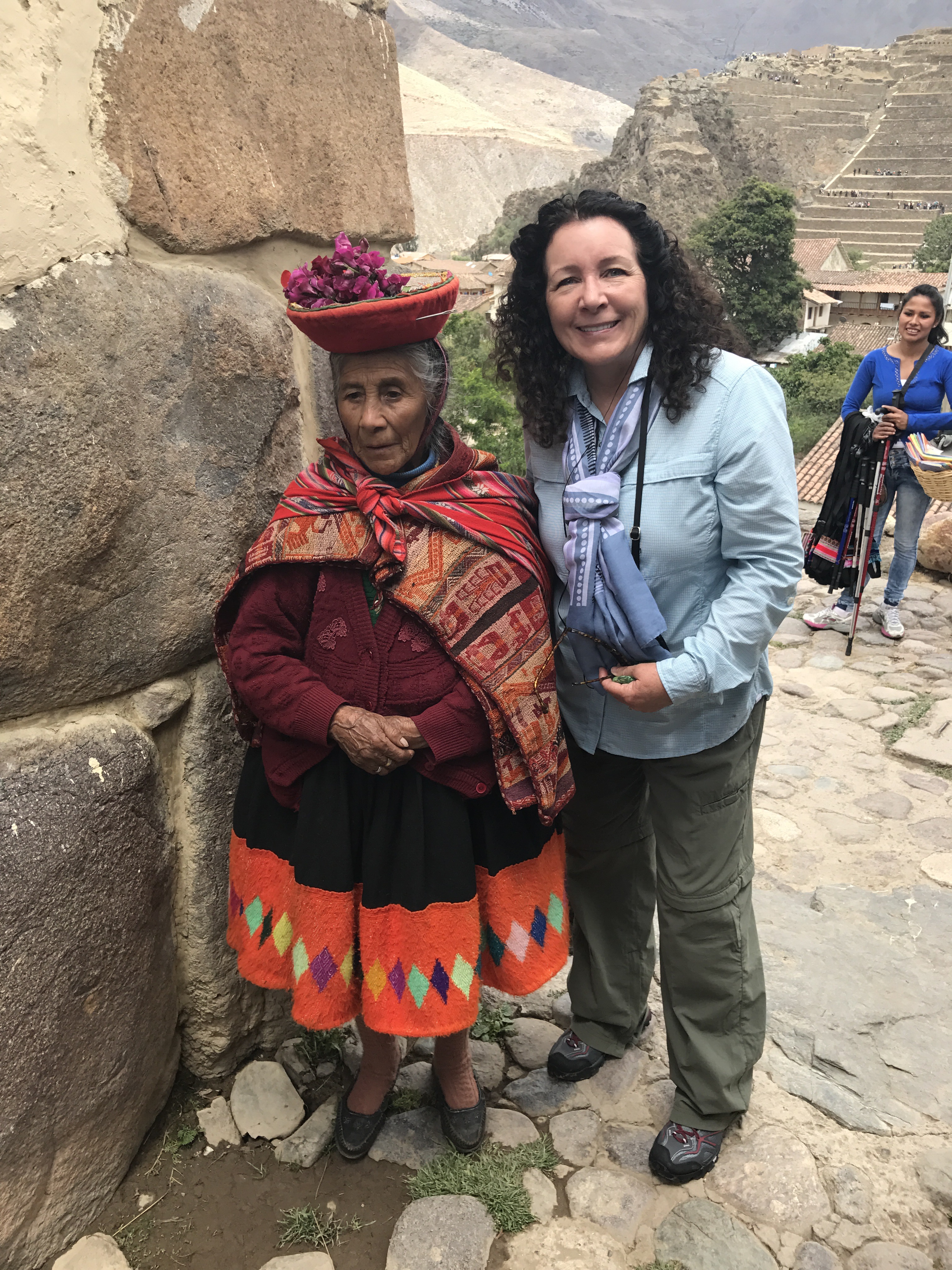
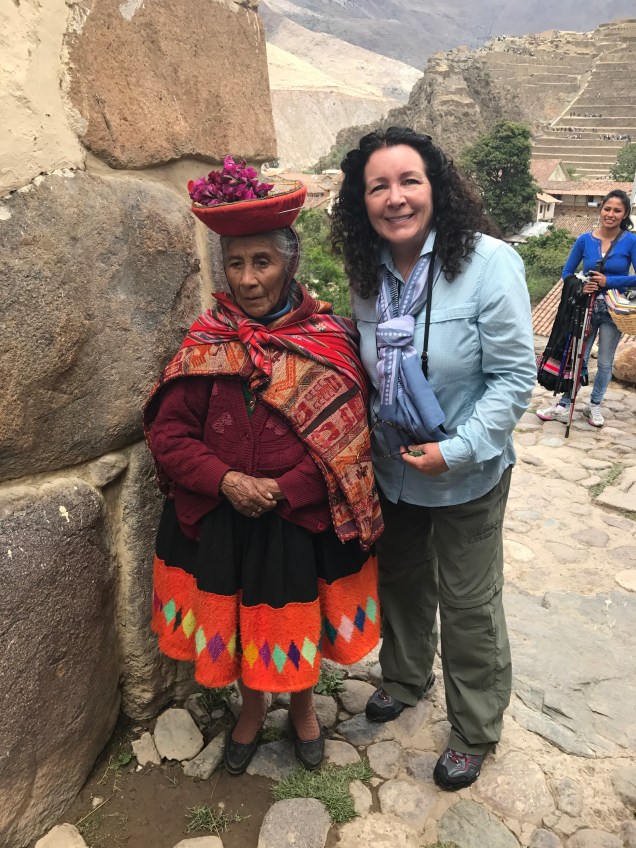
A little Quechua lady. How the ladies wear there very decorative hats is very important. If the hat is cocked to the side you are unmarried and straight on the head you are married. Each region of Peru has different style of hats. All her clothes were created or hand woven by her. 

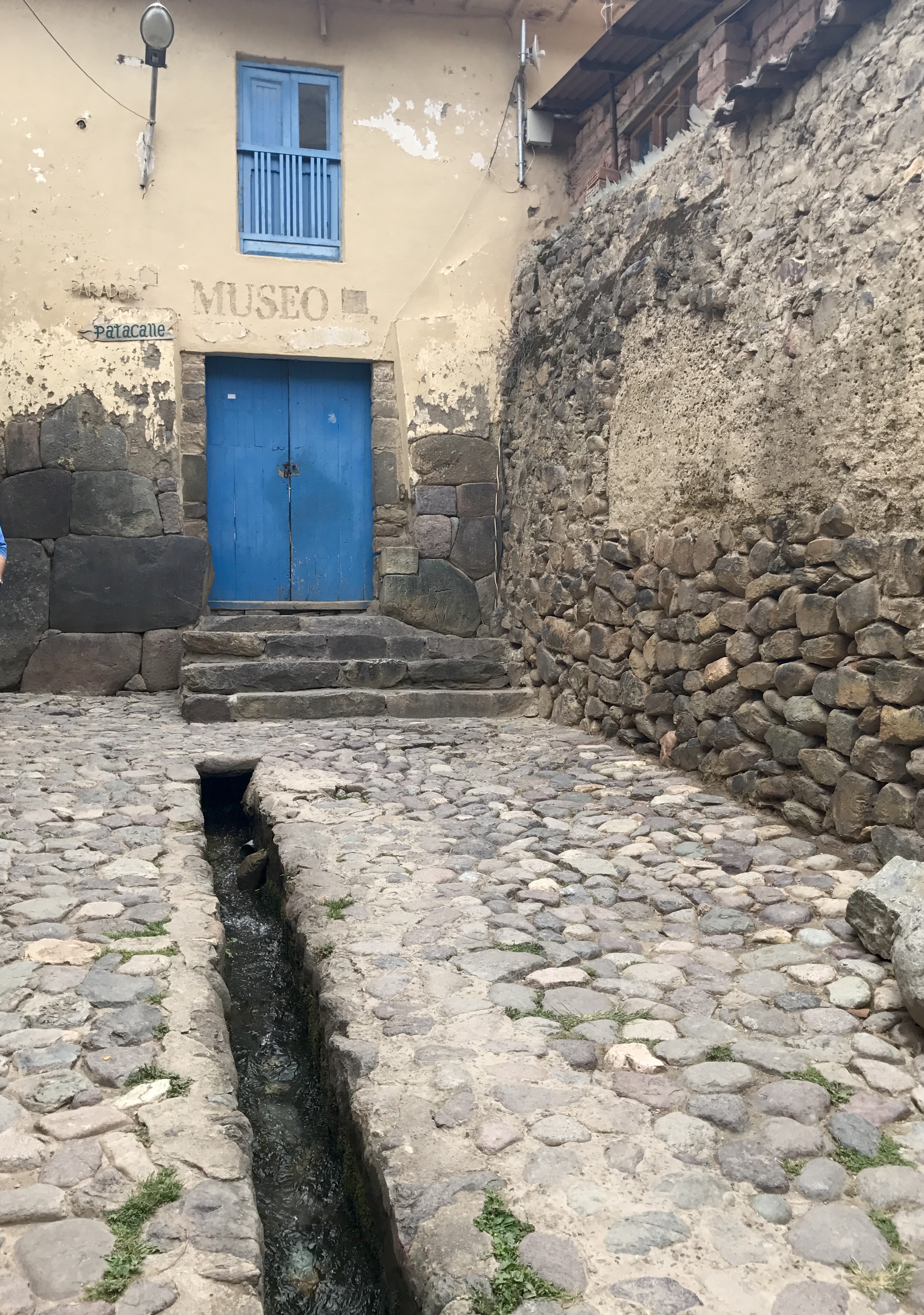
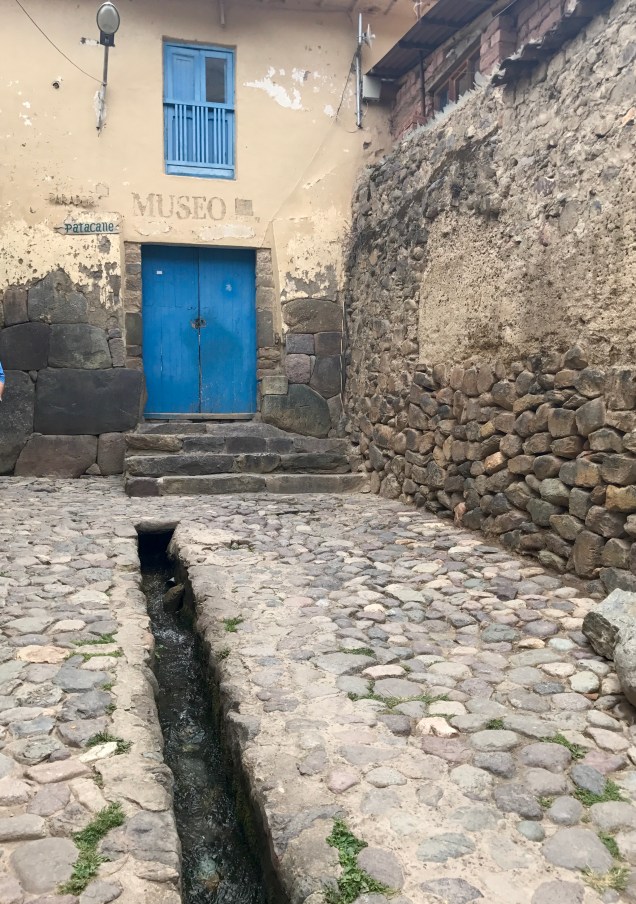
Water flows down from many glaciers to the Urubamba valley. The Inka have channeled the water to guide it to feed the farm lands and to provide fresh water for the villages and towns. These channels are seen everywhere. 
Hola from Lima

We made it to Lima! City of the Kings. Surprisingly, as far as architecture goes it is a new city with oldest major buildings from 1920’s or so. 

Lima was founded in 1535 by the Spaniard, Pizzaro. Remember him from your history books?


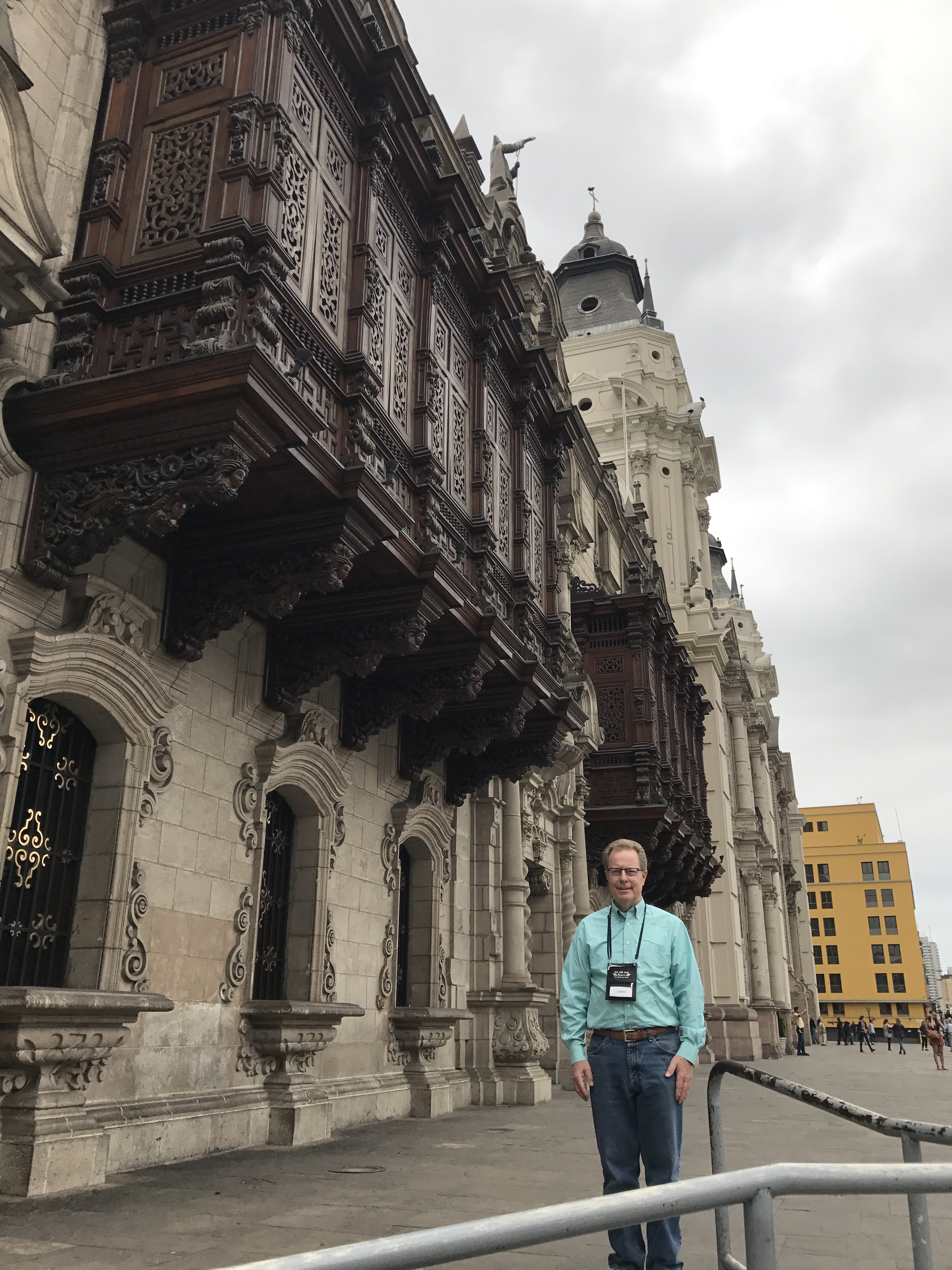
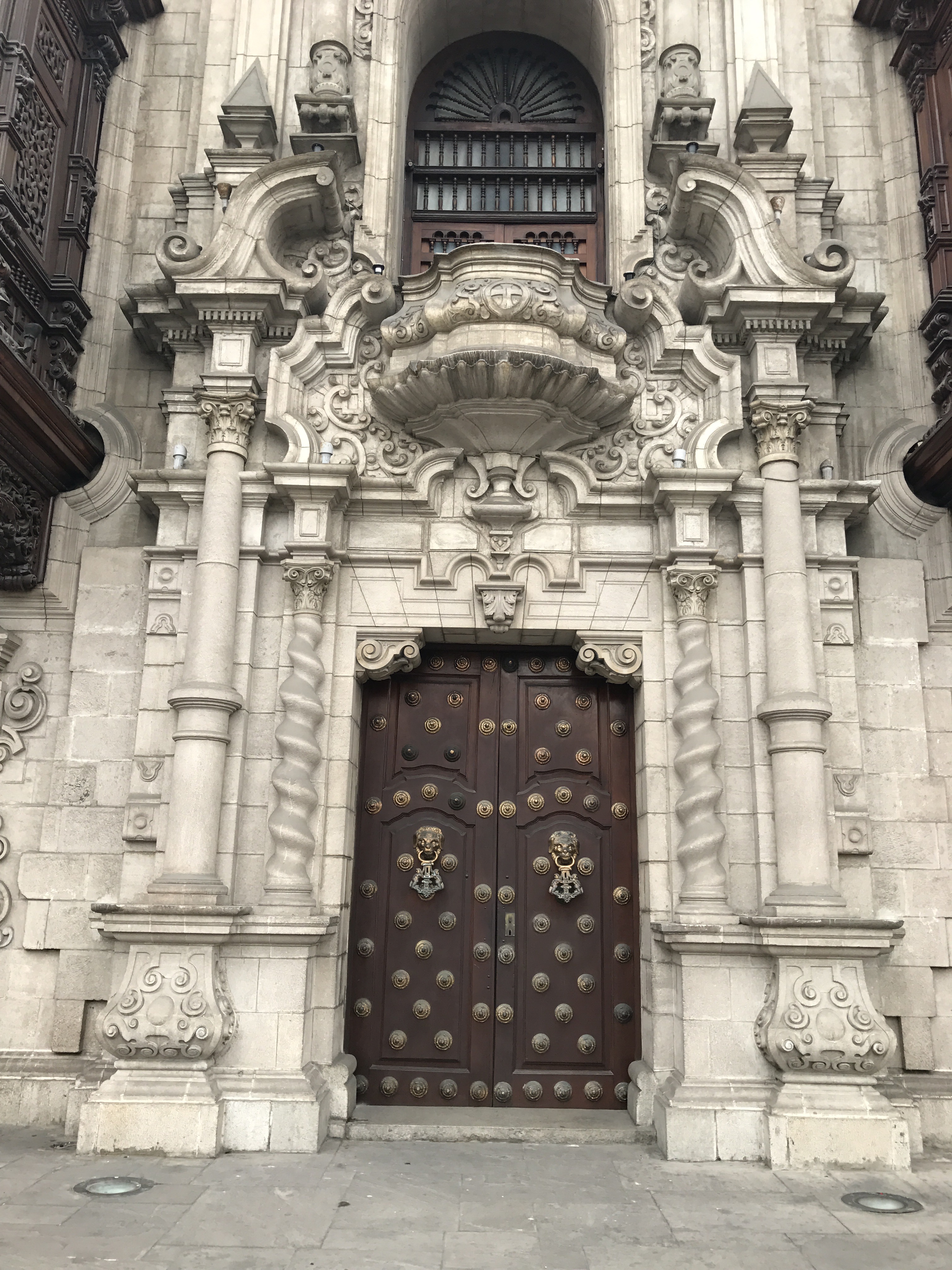
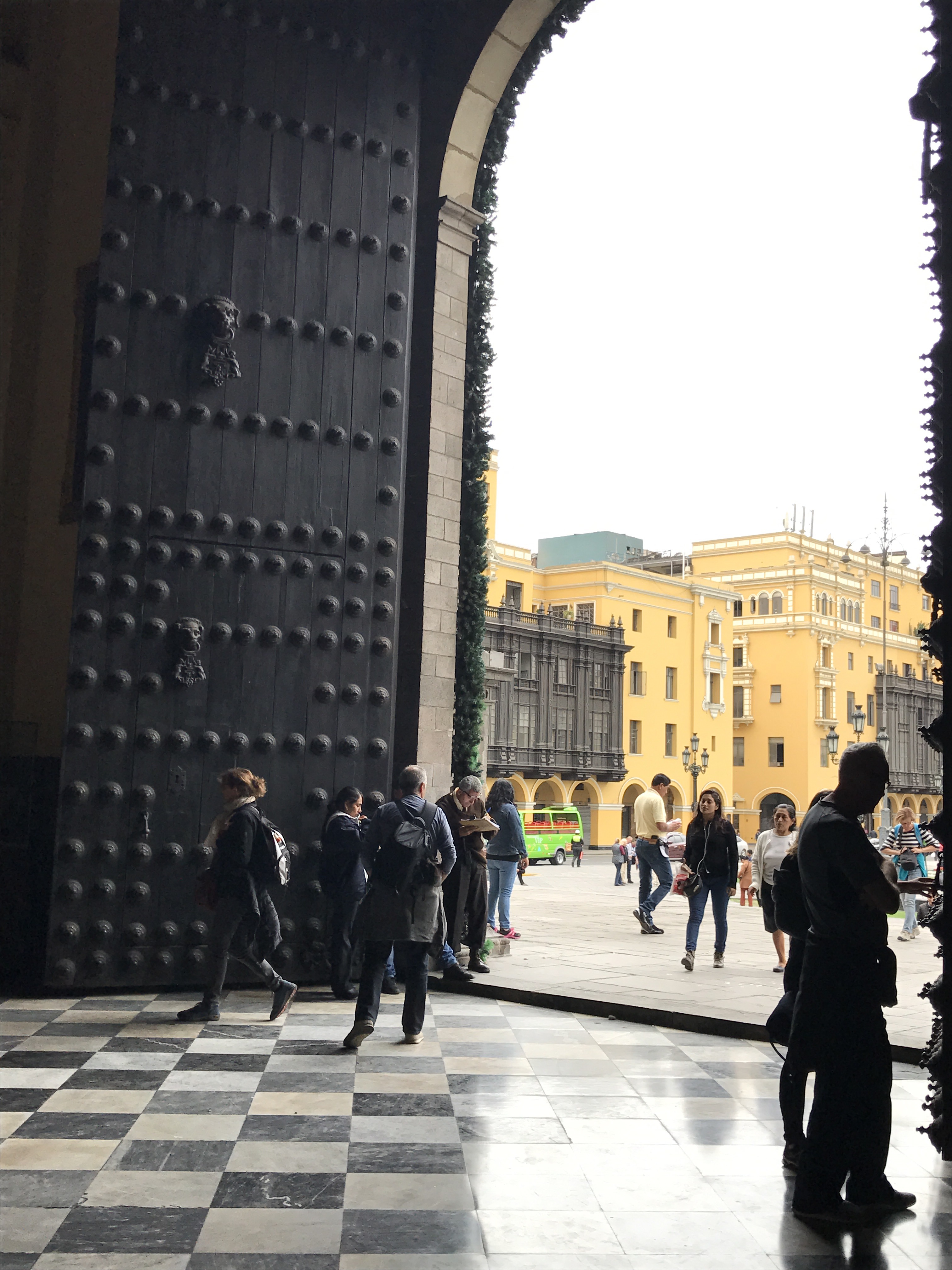
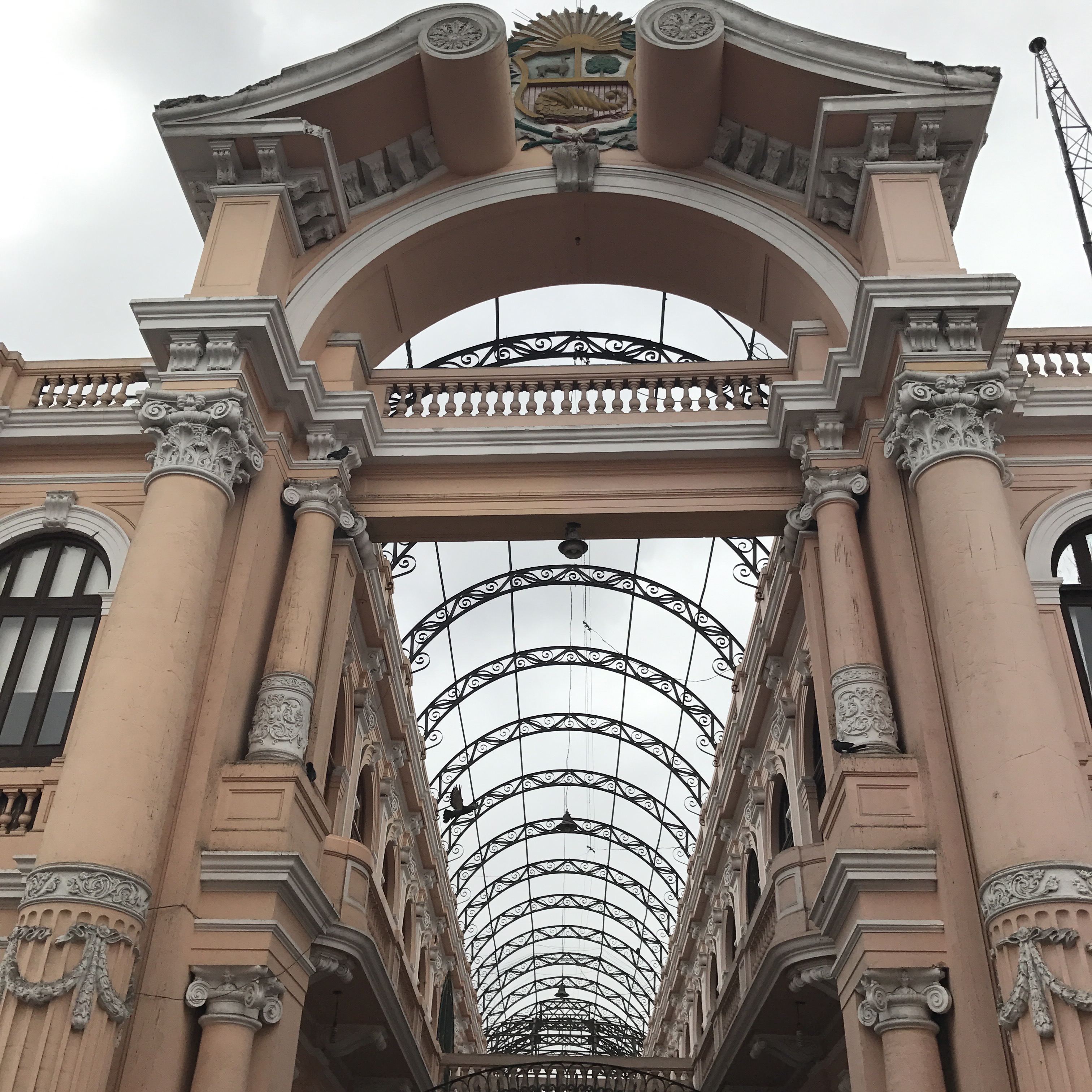
We saw beautiful buildings on the main square, “Plaza de Armas.” Elaborately carved balconies are common. Lima’s colonial past has been preserved in its architecture. 

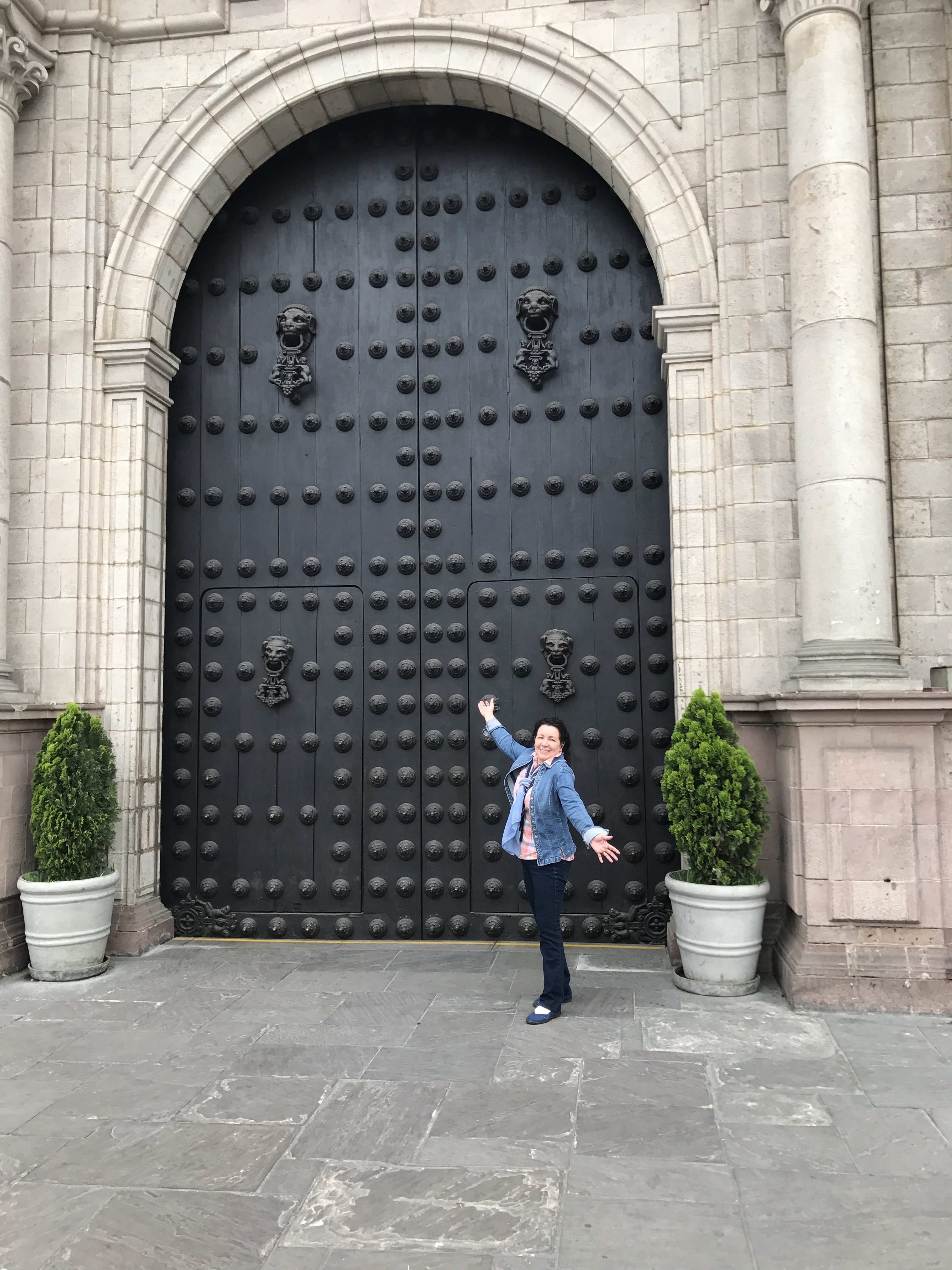
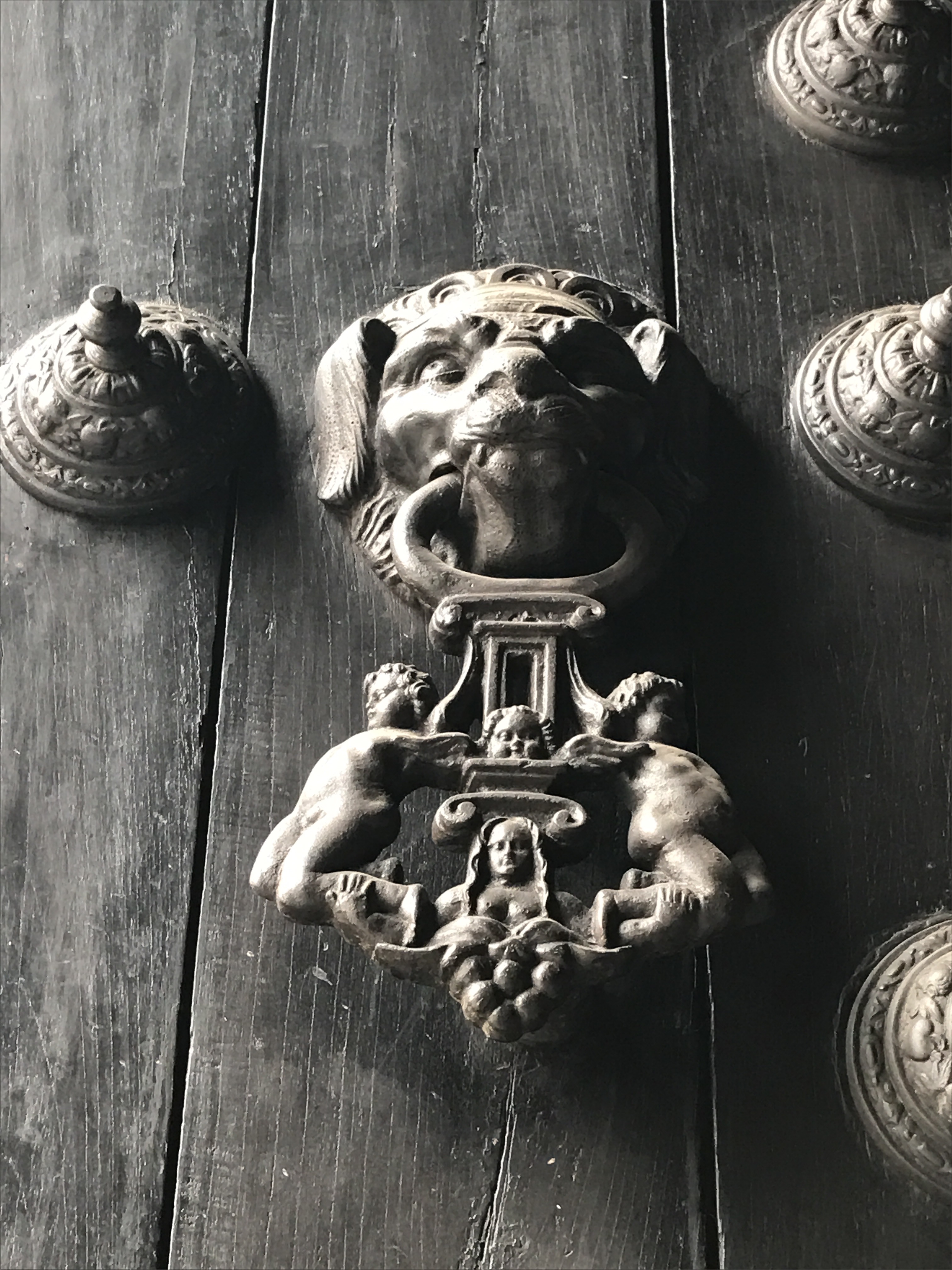
Huge doors with imposing iron work abounded. 

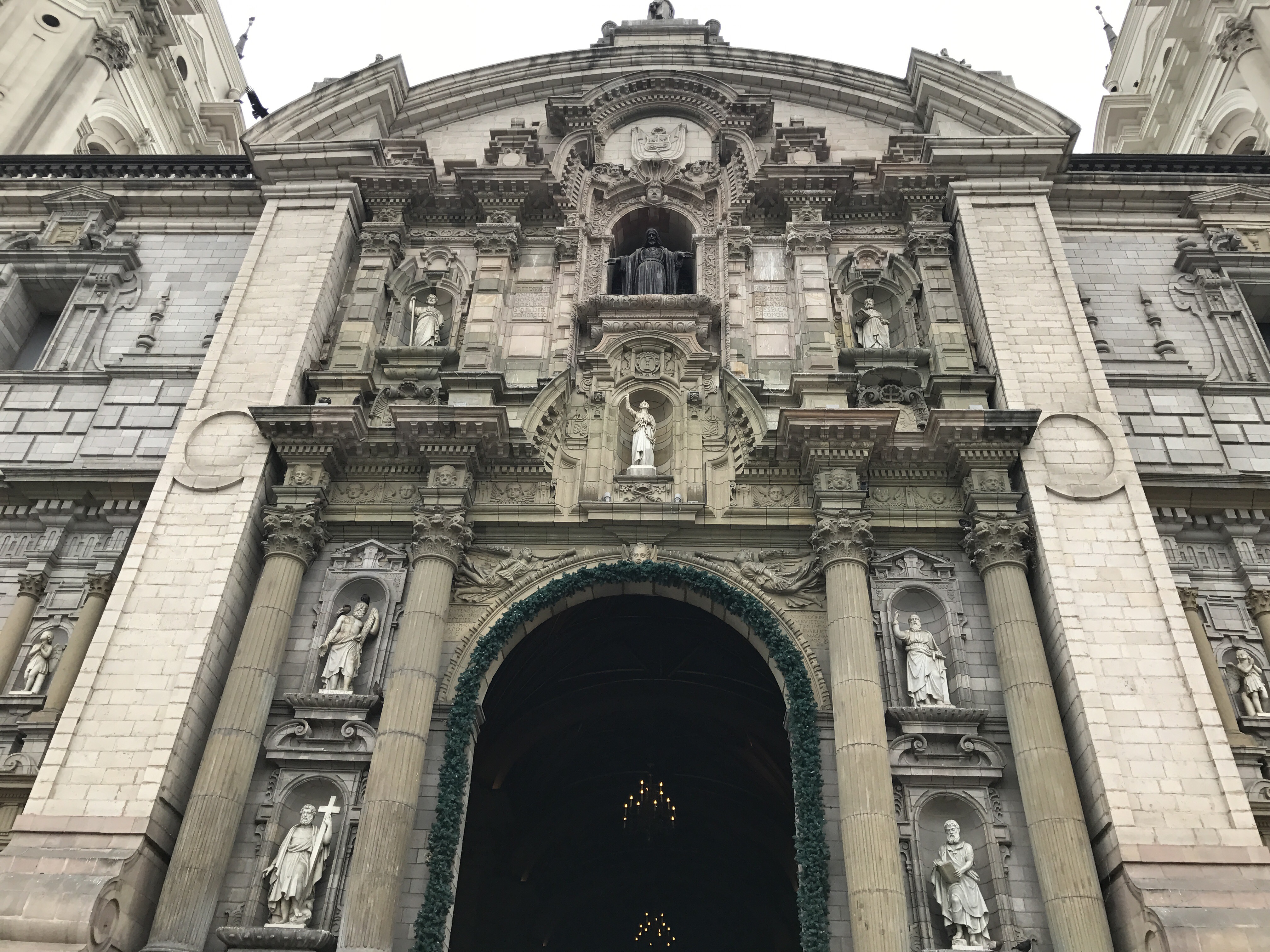
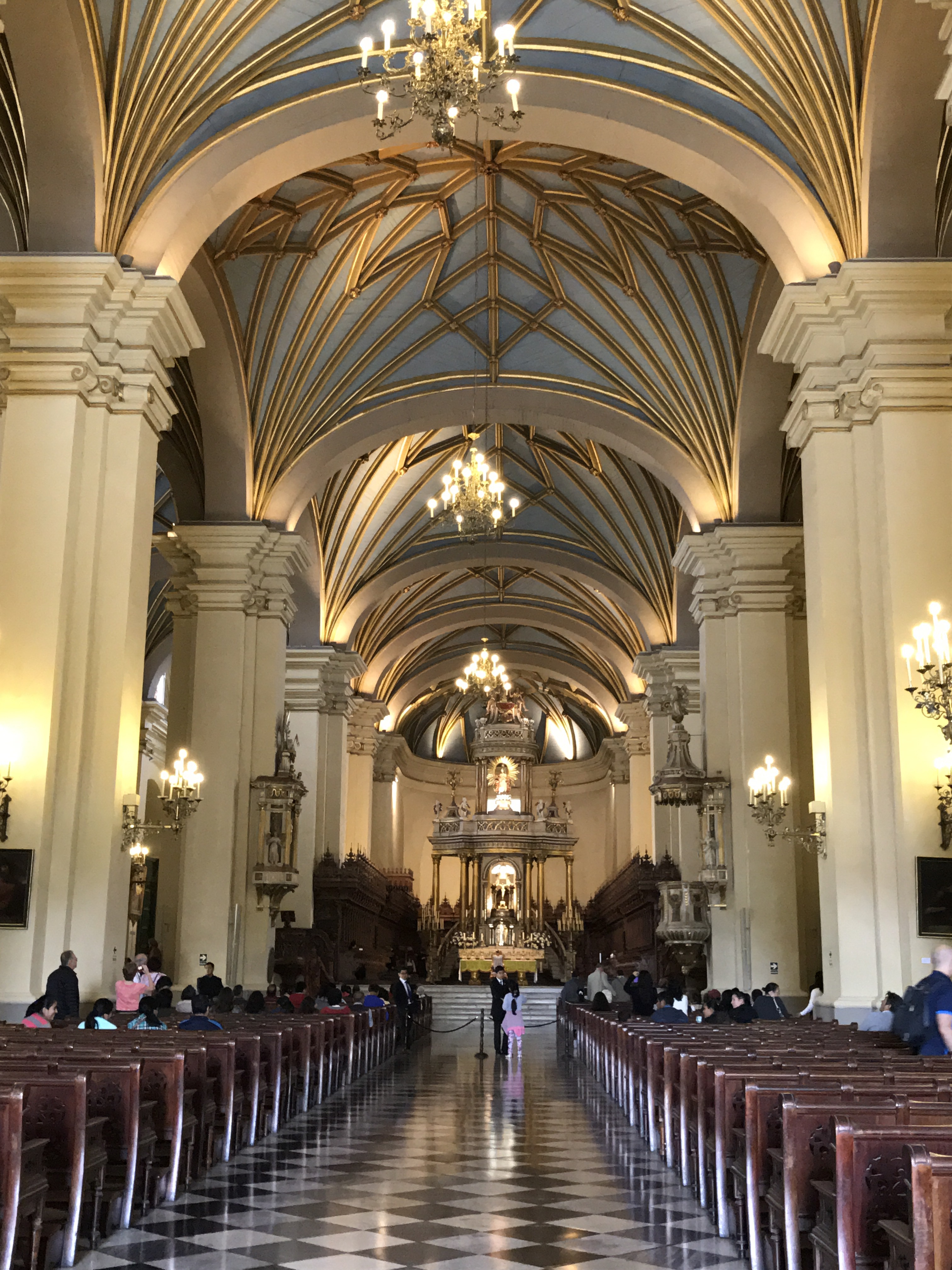
Several pics of the beautiful cathedral. 

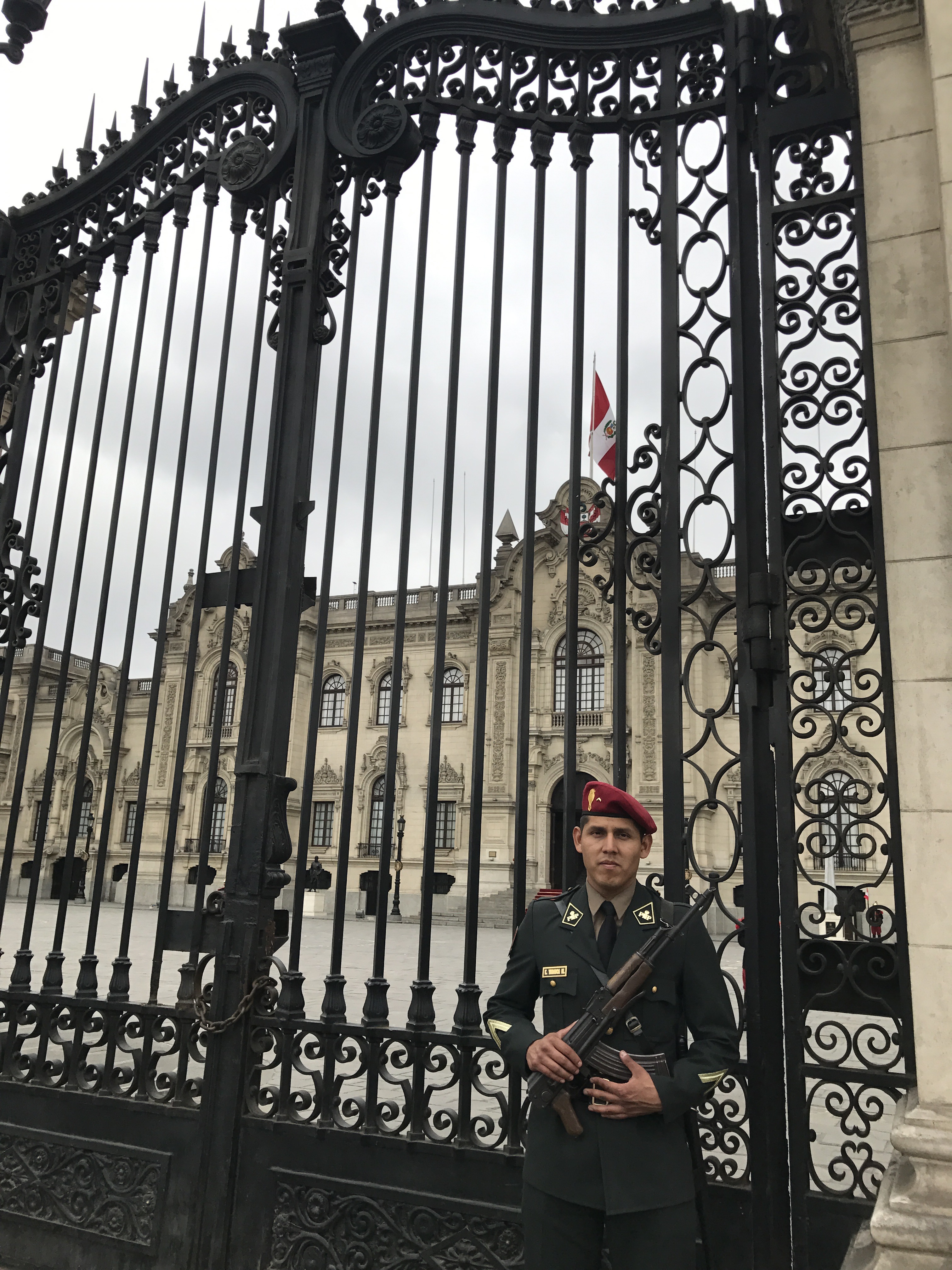
The presidents palace on Plaza de Aramas. Through a bit of creative sign language and my extremely limited Spanish, I managed to talk this guard into posing for me… gun and all. 

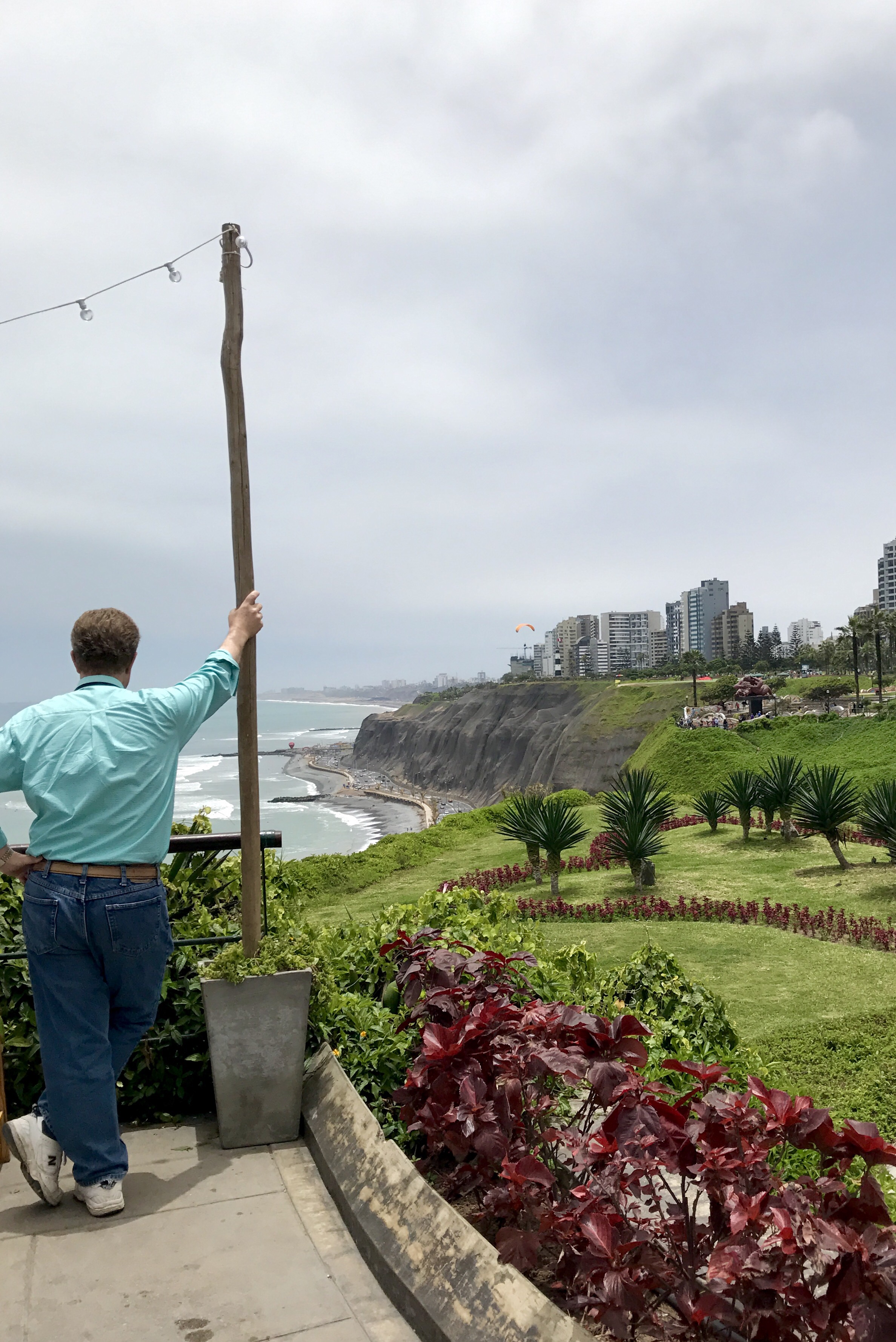
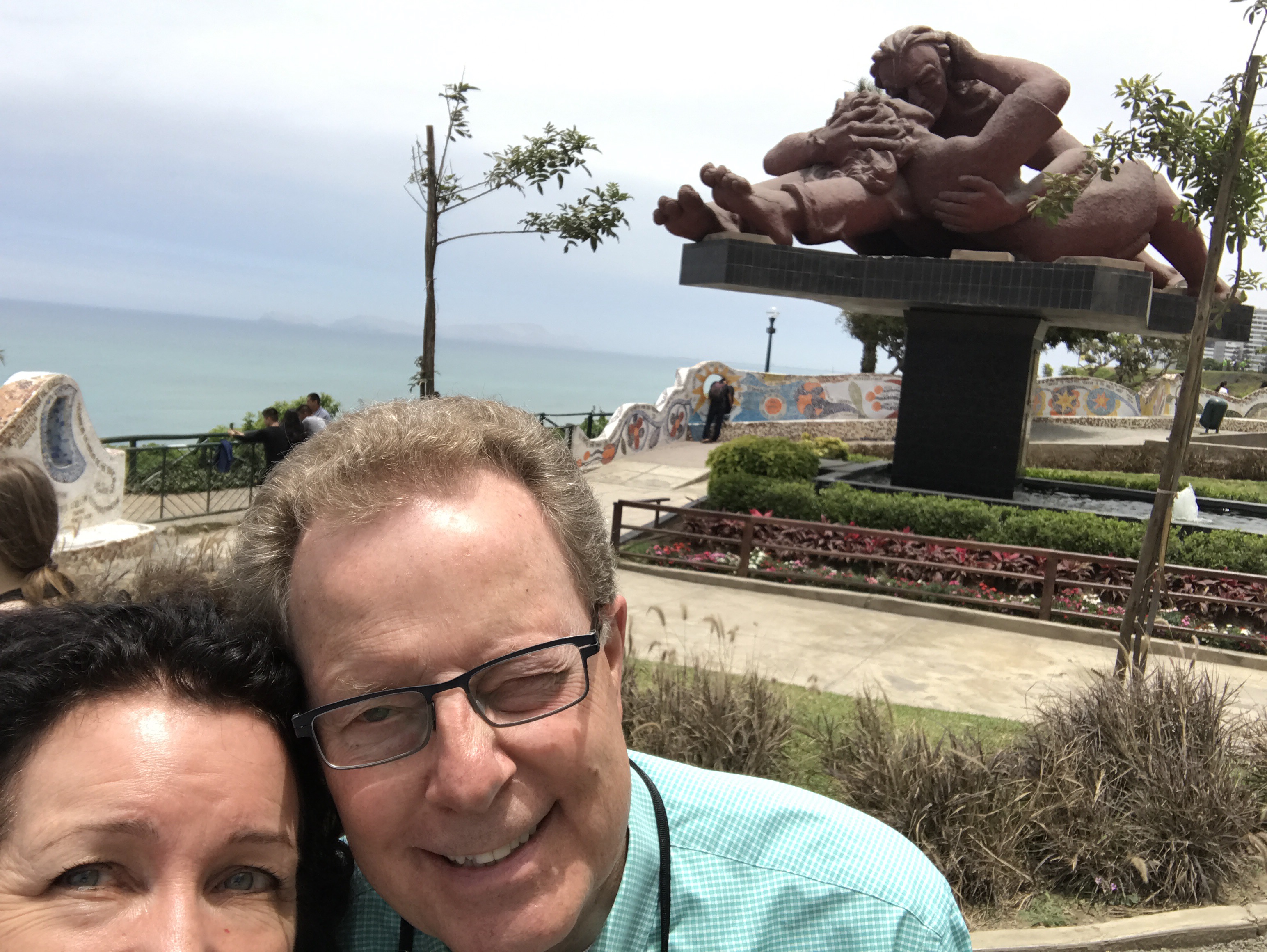
And this is the famous Lovers Park. The statue seemed to be an inspiration to all the young couples who were sitting in embrace upon the walls. 

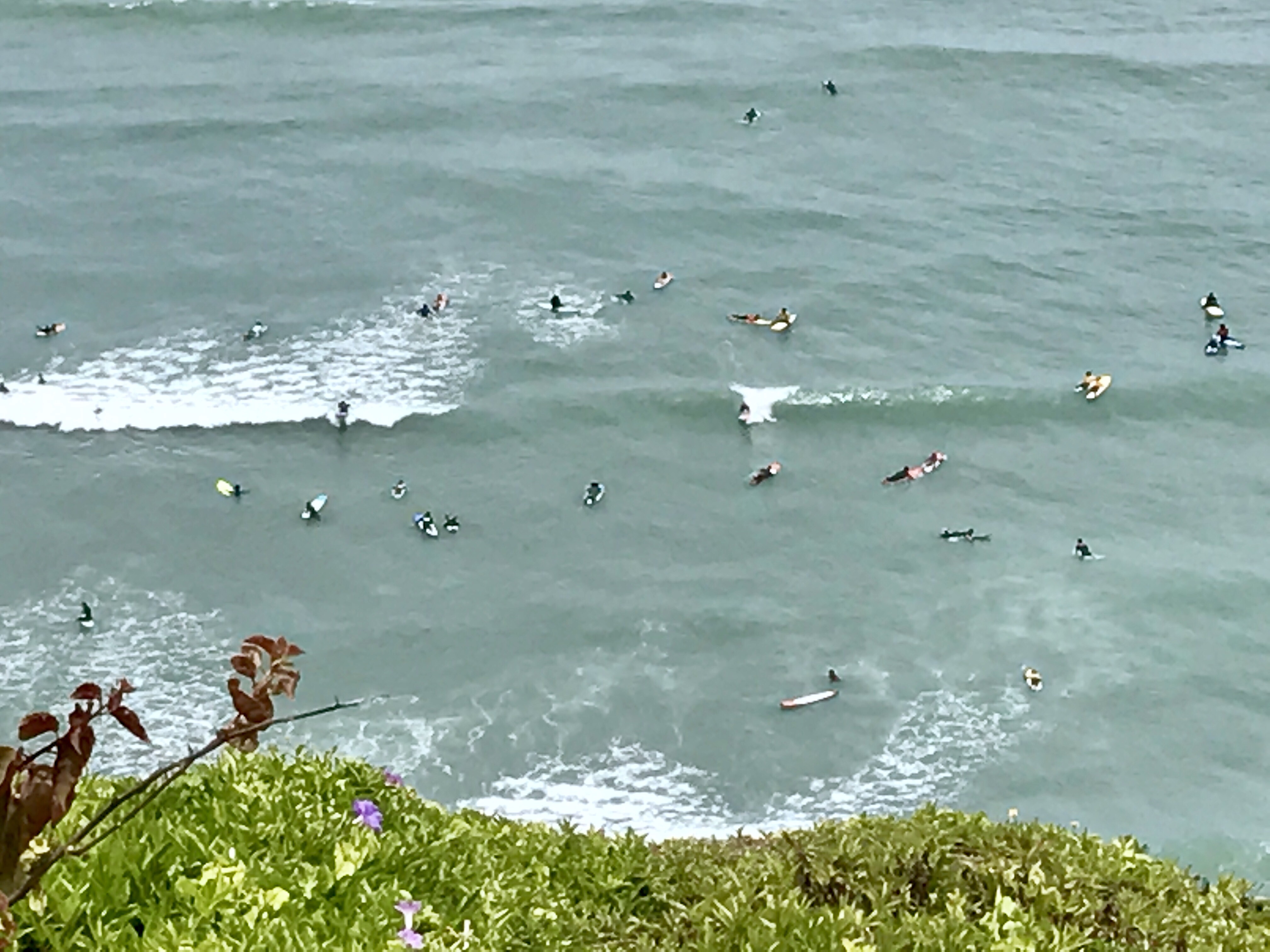
The Pan-American surf competition was going on while we were there. Lots of surfers but not too much wave action. 
In addition to kissing and surfing, paragliding seemed to be a popular activity as well as many youth with soccer balls in hand. Peruvians love soccer. 
Last view of Lima from seaside.