St. Andrews and lots of time on the bus

Up at 4 A.M. to catch our flight from Ireland over the Irish Sea and on to the capital of Scotland, Edinburgh. Be sure to pronounce correctly… sort of like EdinBraw. YouRube it if you really are curious to know the correct way to pronounce.

Although we landed at the airport outside of Edinburgh our first stop was not the city. We headed on up the coast to ‘The’ golf course, St. Andrews, where golf began. St. Andrews sits right on the coast and looks out over the ocean. Th course was a hub of activity.
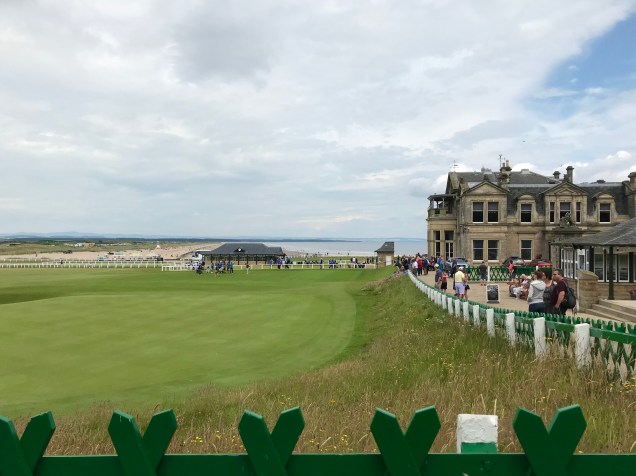
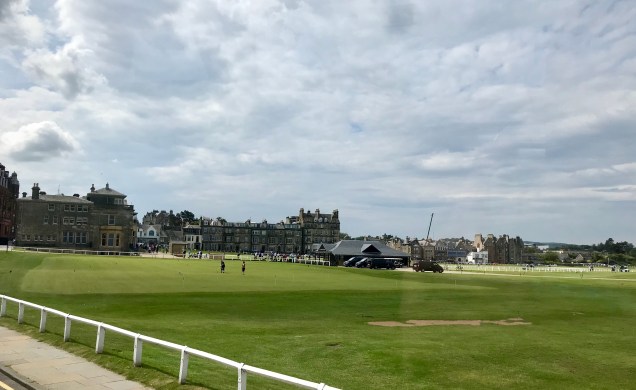
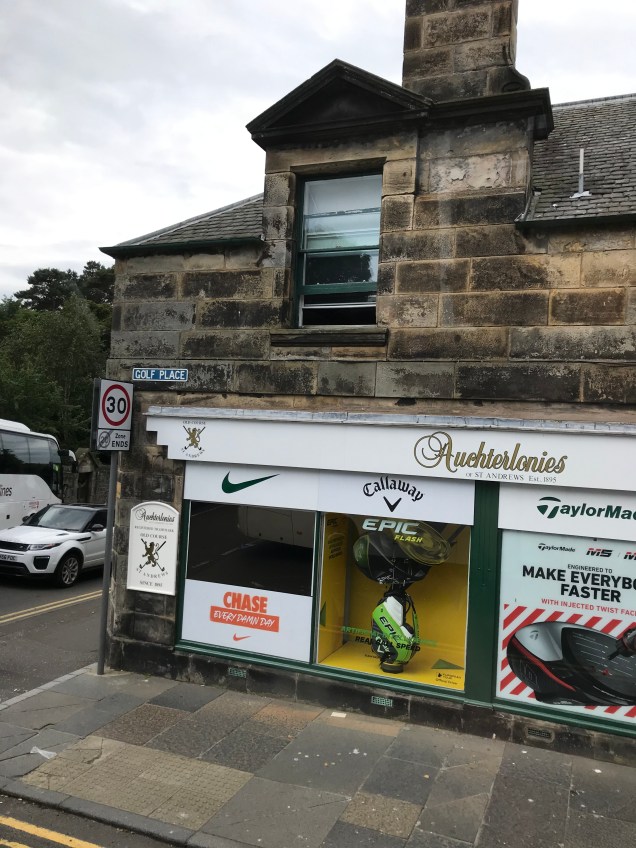
The town of St. Andrews is old and charming. Golf shops were everywhere.
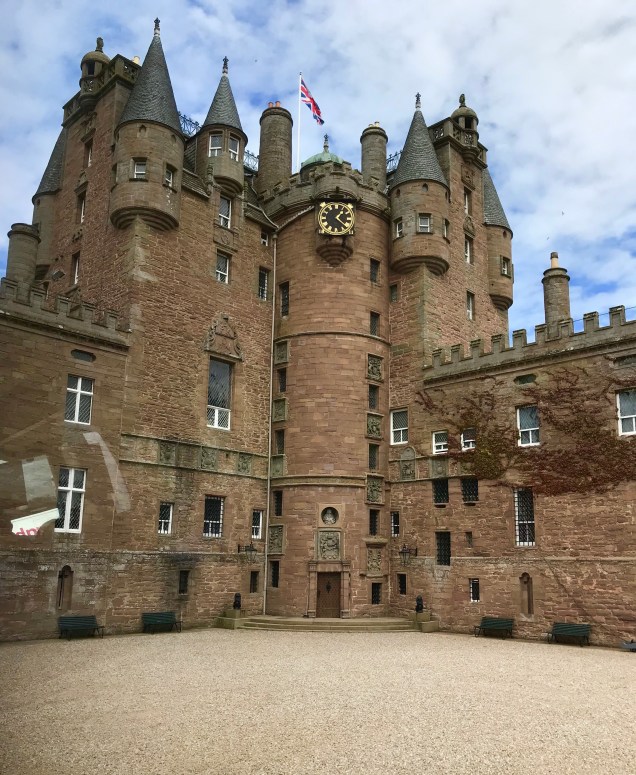
Next stop, Glamis Castle, dating from the 14th century but mostly from the 17th century. It was the childhood home of Queen Elizabeth the Queen Mother (mother of the current Queen Elizabeth).

Glamis is pronounced Glams, just leave out the letter ‘i’. The current Queen likes visiting here. The tour took us through the rooms that are used by the family. It was wonderful how the castle felt so comfortable and almost homey. The rooms were surprisingly small and intimate. This castle was the inspiration for Shakespeare’s Macbeth. There are several legends, tales of ghosts, and history for Glamis Castle.

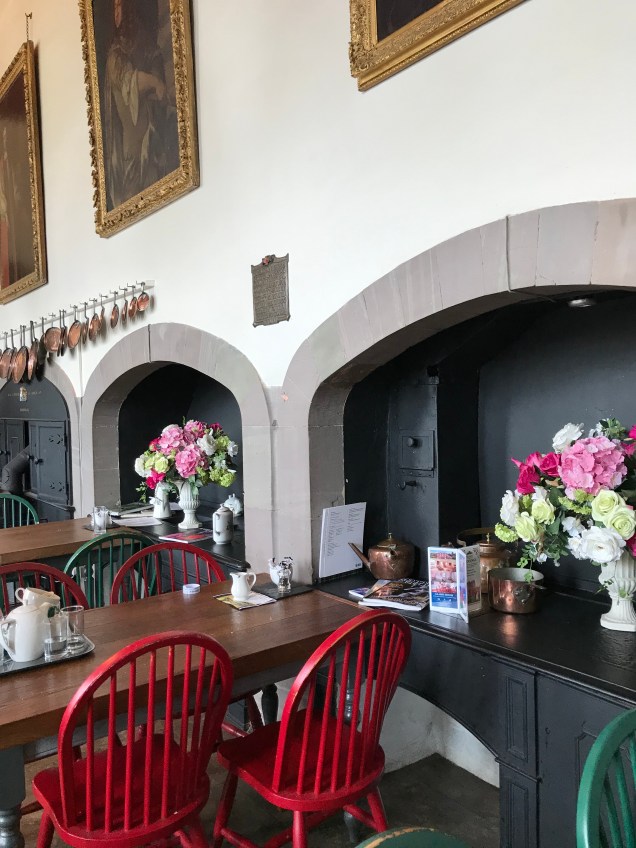
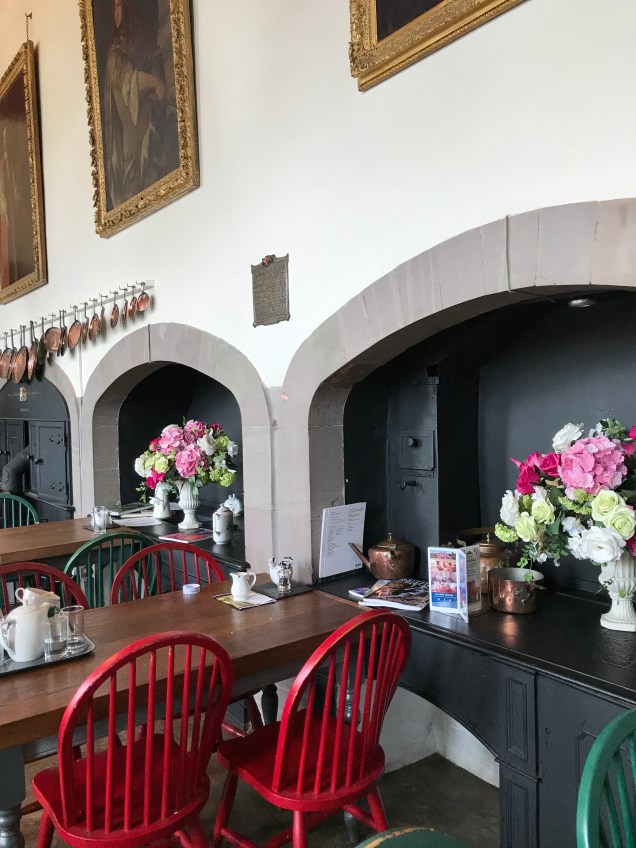
The castle’s original kitchen with its large ovens is now a quaint place to get a cup of tea, hot chocolate, a scone, or some other light fare.
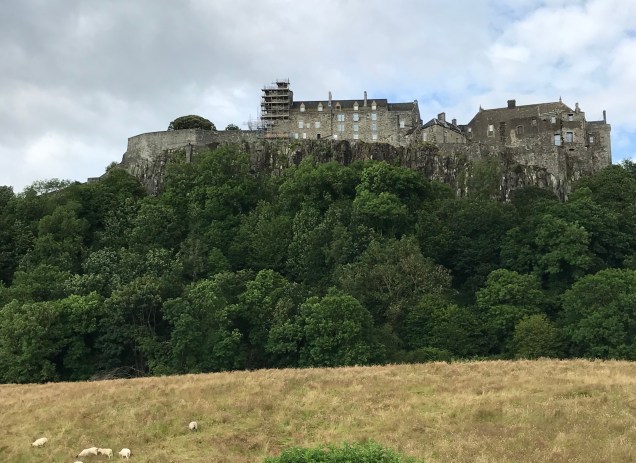
We were running late to get back to our home base of Edinburgh but managed to have a picture stop for Stirling Castle.
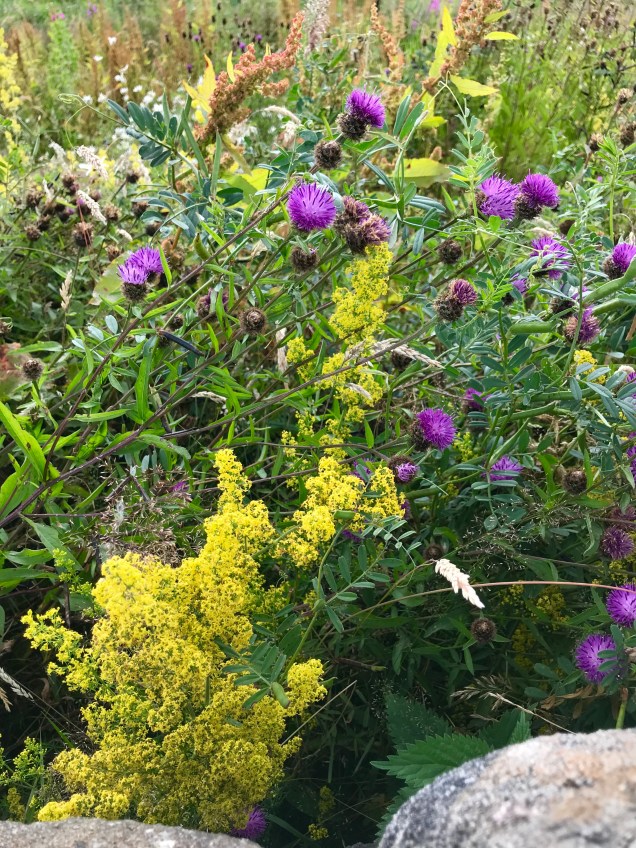
It was beautiful around the castle with rolling hills of fields, sheep, and even some Scottish flowers such as the thistle.
We spent hours on the bus since all these sites were quite far apart. But all the places were quite wonderful to see and experience.
The Lake District

An early morning departure for the Lake District on the west of England. We are headed specifically for Lake Windermere. As we travel I am still amazed at the lushness of the countryside. Sill lots of pastures of sheep but more deciduous trees.

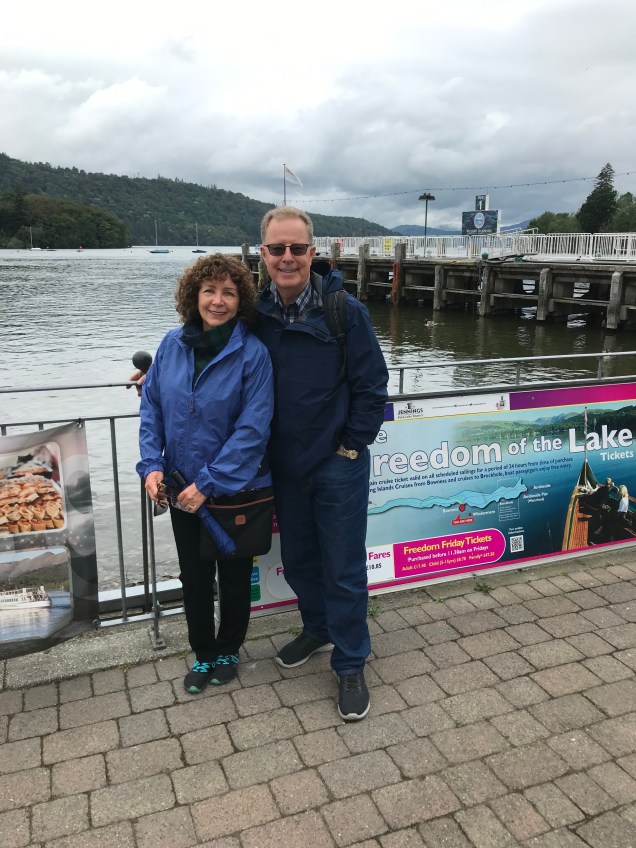
We arrived at a beautiful calm Windermere Lake. Did you know around here the name of the lake or river comes first then the designation of Lake or river.

Windermere Lake is where the Victorian wealthy came to vacation and build huge homes mostly from native stone. The homes are mainly hotels now days.

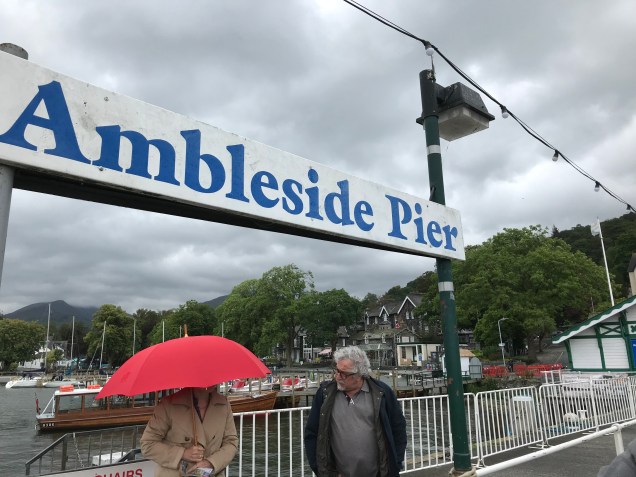
We boarded our boat for a short trip down the lake to Ambleside. Beautiful.

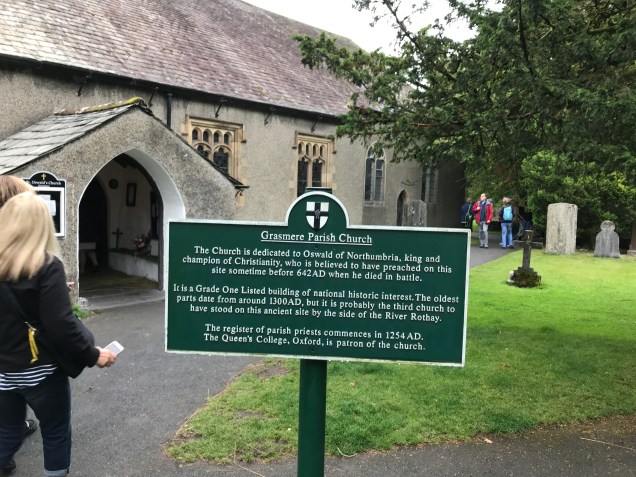
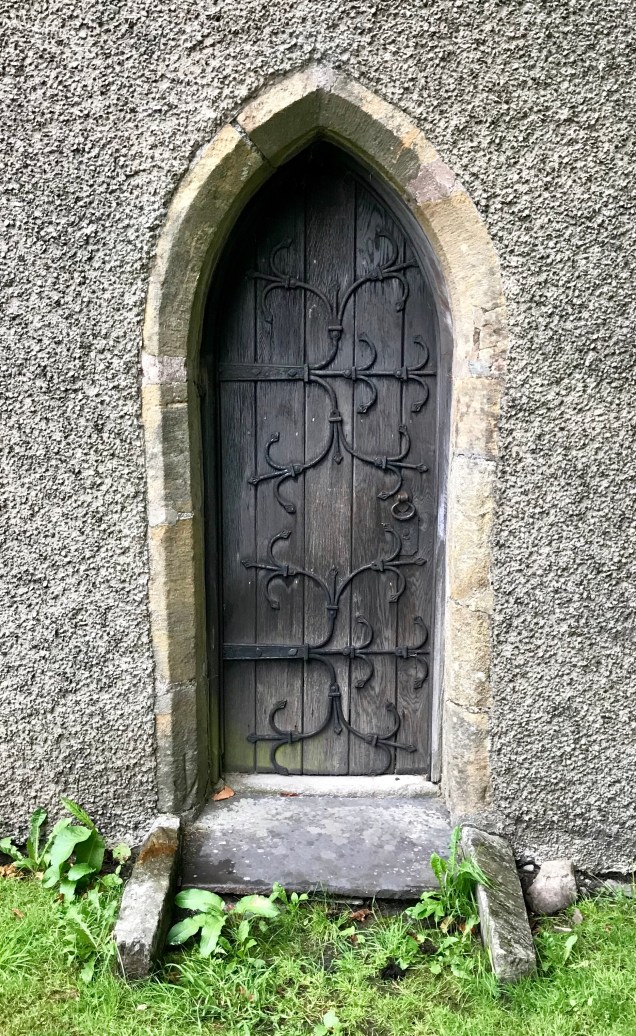
Next stop, Grasmere. Resting place of William Wordsworth and famous delicious sweet gingerbread.

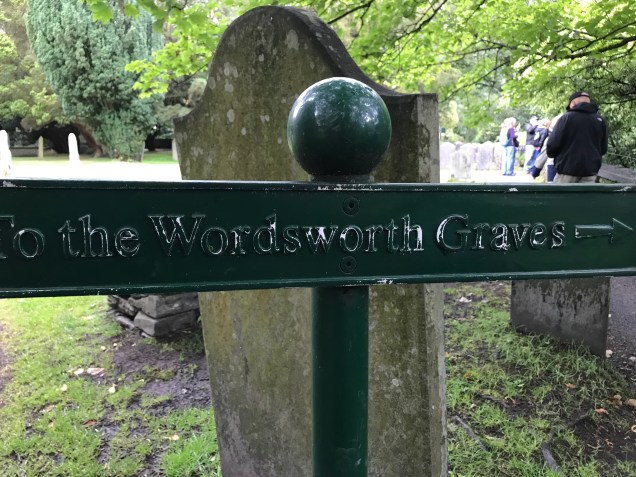
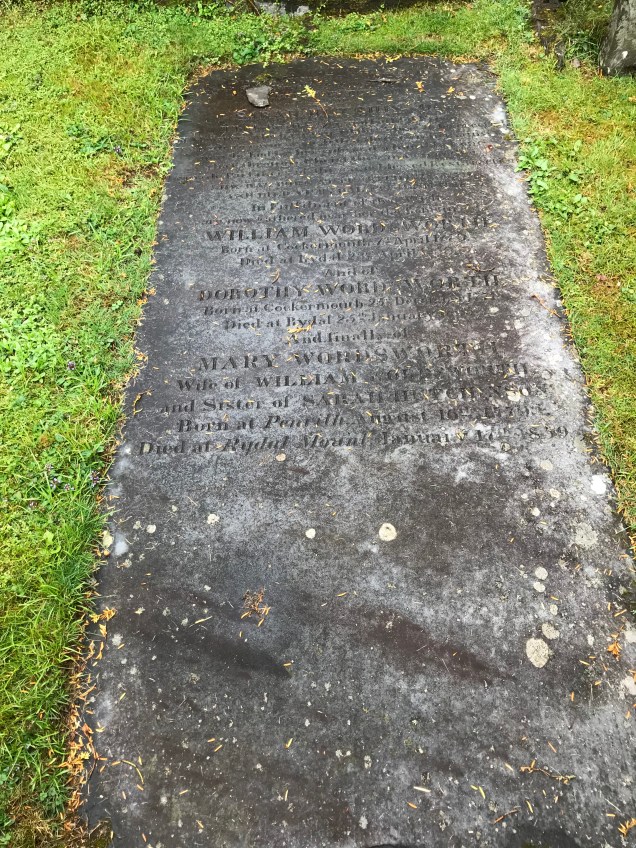
William Wordsworth is a well known poet and author. He is buried in Grasmere along with many family members.

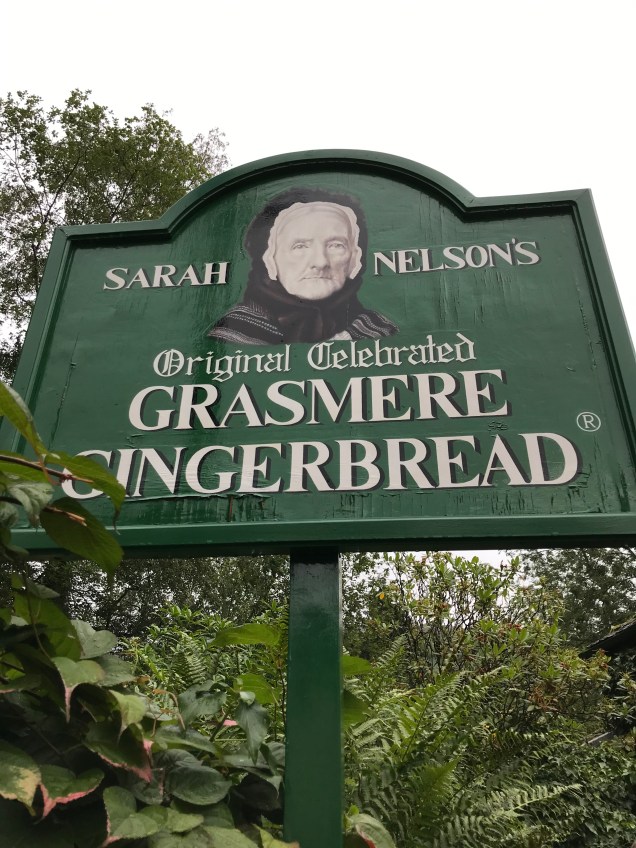
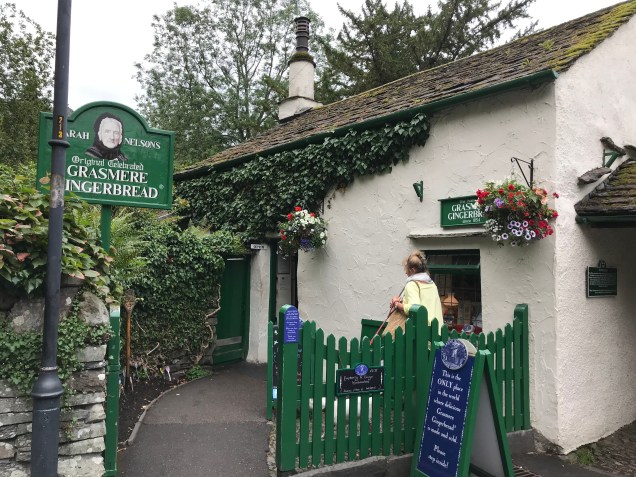
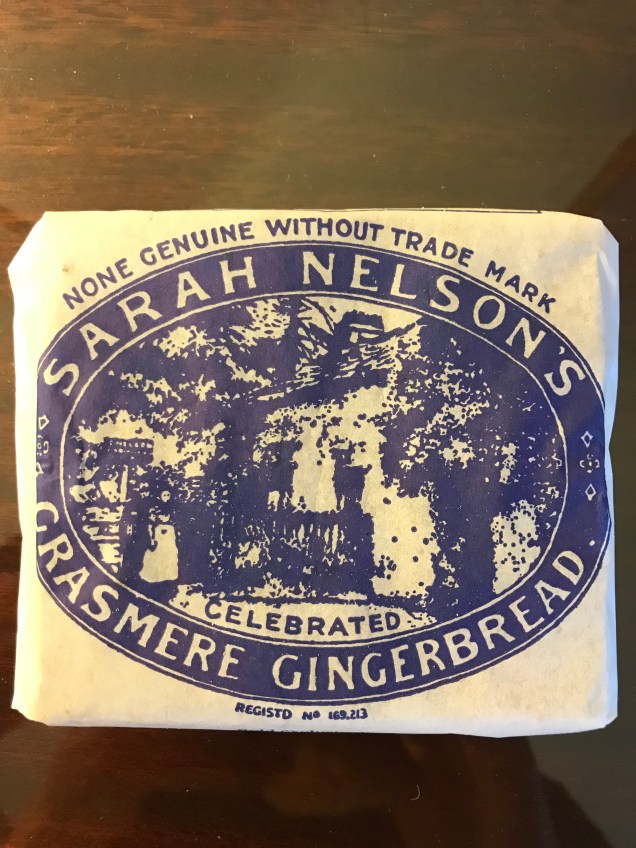
This is also the place for the famous gingerbread made in a very small quaint little shop just around the bend from the church. We could smell the fresh gingerbread smell wafting across the graveyard.

We had a delightful lunch of crepes at a cute little shop. We had fun wandering the little village.

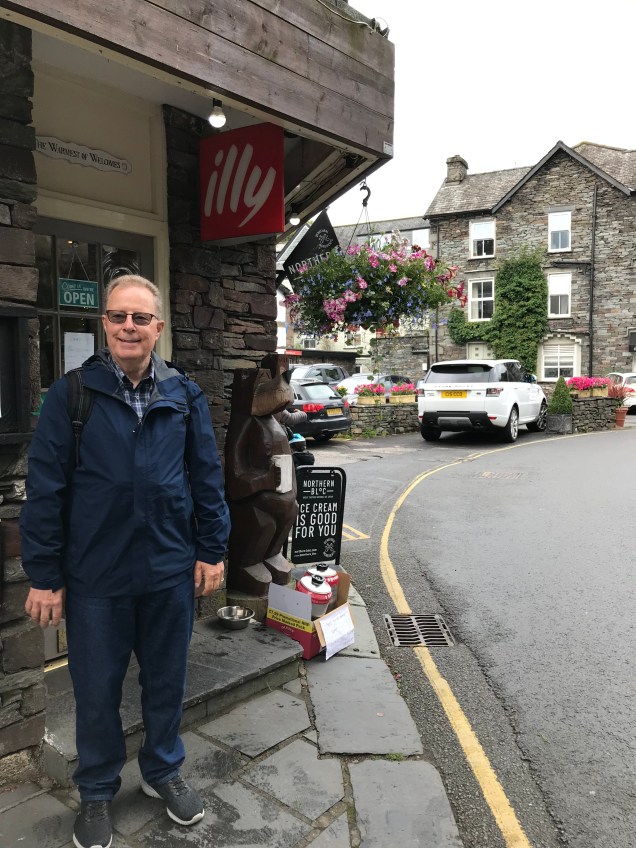
After debarking several of our tour people were talking about how Beatrix Potter, the author and illustrator of the Peter Rabbit books, lived near here. Our very gracious tour guides and bus drivers decided to give it a go and see how close we could get to her home. Not all the way to her home because the roads are too tiny and our buses to big. So, off we ambled towards the little village of Hawkshead.

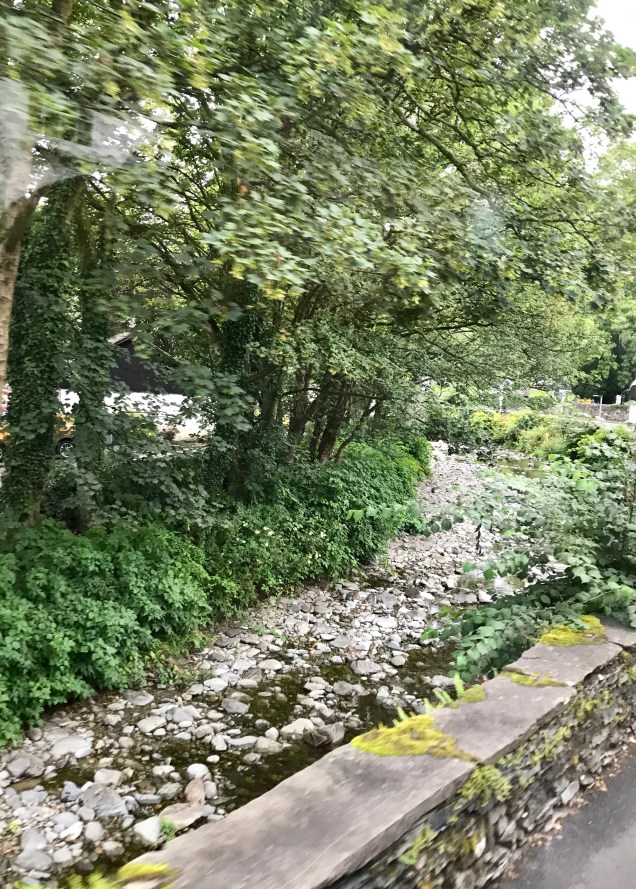
The roads to Hawkshead are very narrow, only one car wide by American standards there were many times the buses had to pull as close to the edge of the road as possible and then inch their way past a car or lorrie. It was a bit frightening and certainly adventurous. Most of the homes along they way were built from dark stone as were the stacked stone walls around the fields. We finally made it up the tree shaded, bramble-bushed, fern-y road. Yay for the bus drivers!!

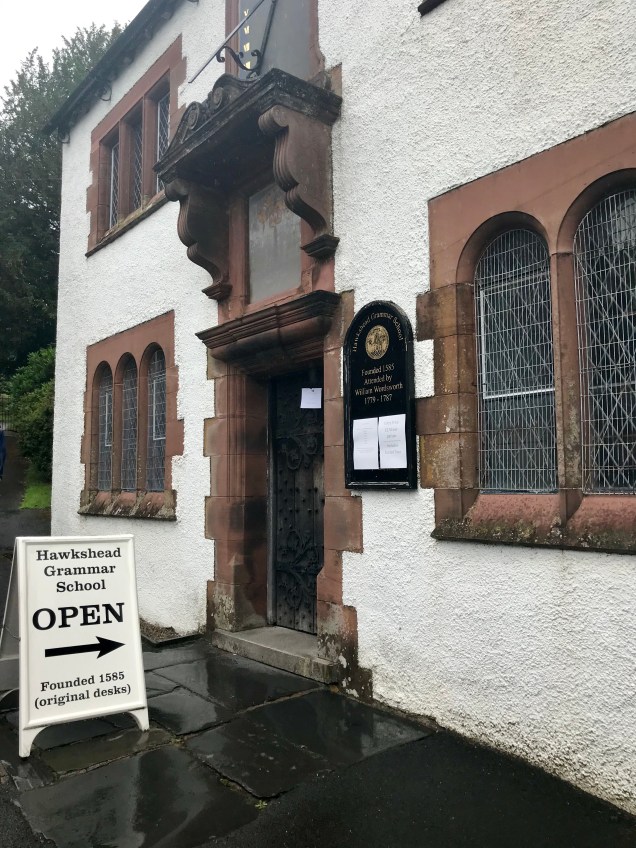
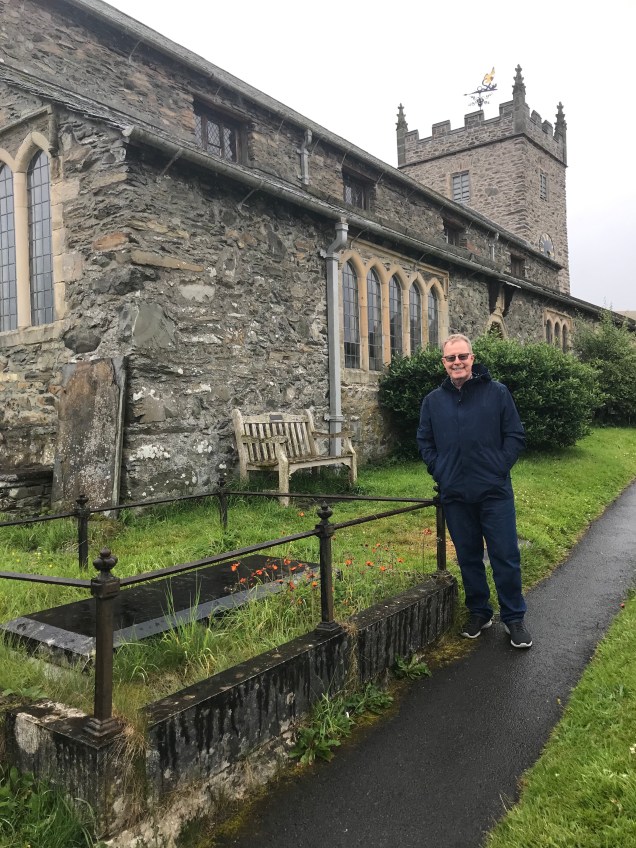
Hawkshead has the Grammar school where William Wordsworth went to school and a lovely church up on the hill overlooking the white washed or stone homes and shops of the village.

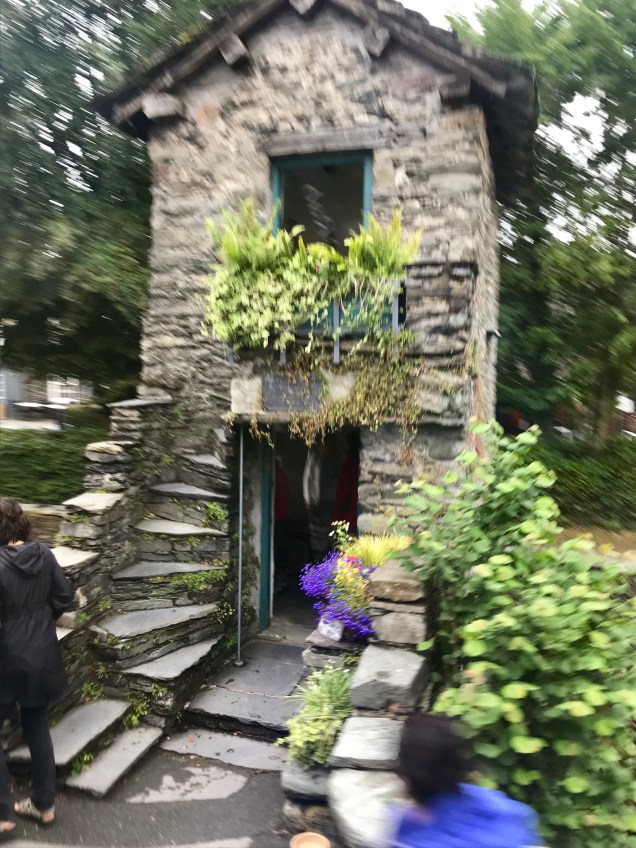
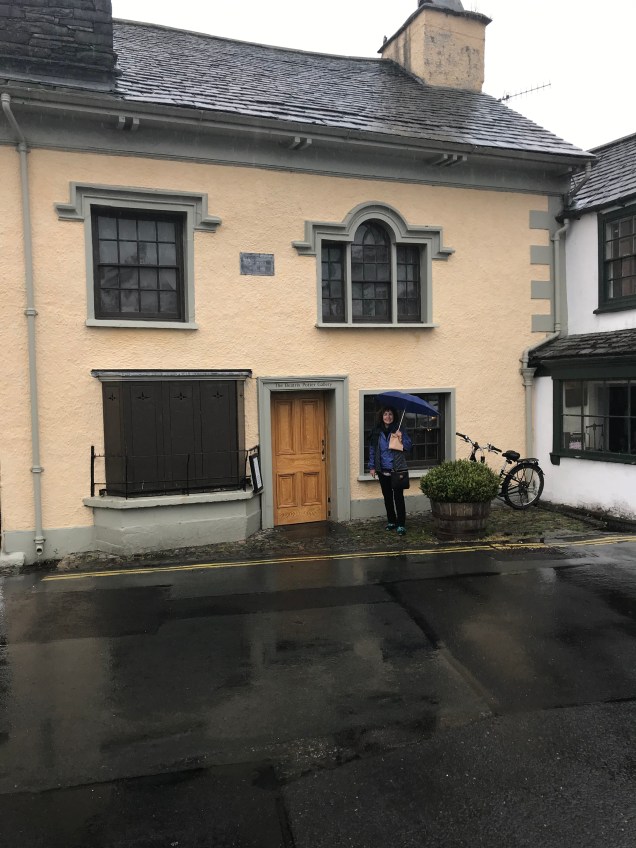
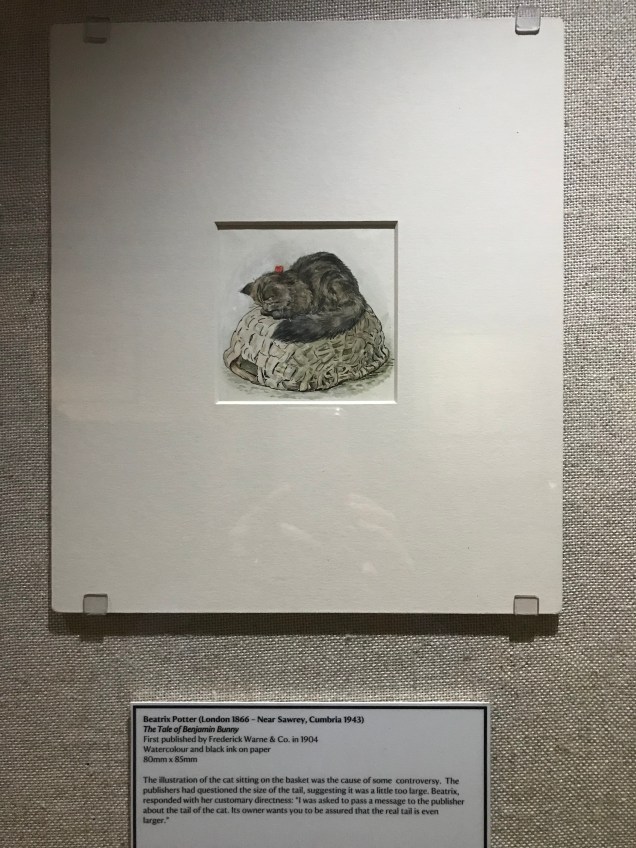
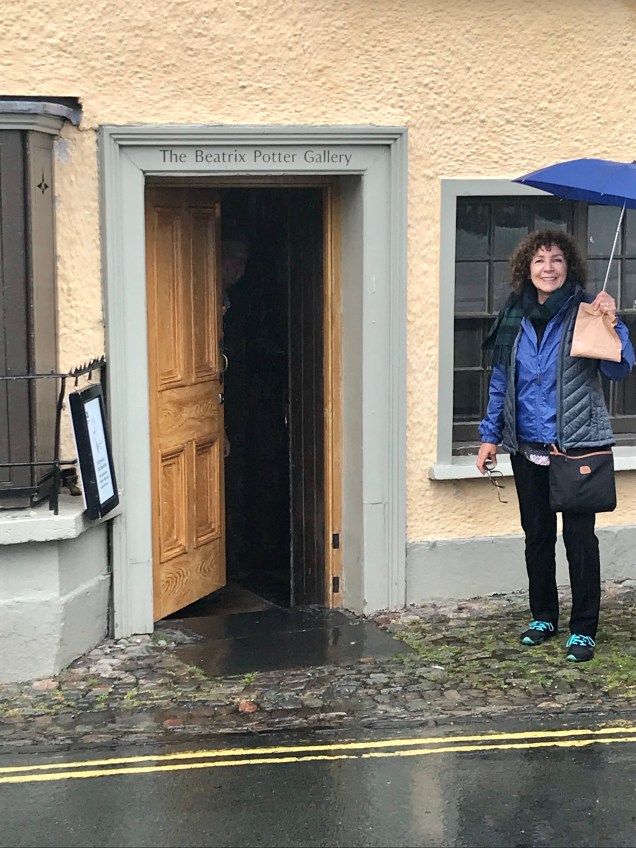
As we ambled down from the hill into the crooked cobbled streets we finally found the little shop of Beatrix Potter’s husband. It is now a little museum. The shop is two levels high. Not really stories high as we would think of it. The doorways are small and low. The ceilings are very low. The only light comes from the few windows in front. The low ceilings are large dark hewn beams. Plastered walls are very out of square. The stairwell is very narrow and wonky. The small museum has on display maybe 30 pieces of her original water colors of a variety of little critters from her children’s books.

If you look really close you will see the shop owner smiling at the door.

Medieval York part 2

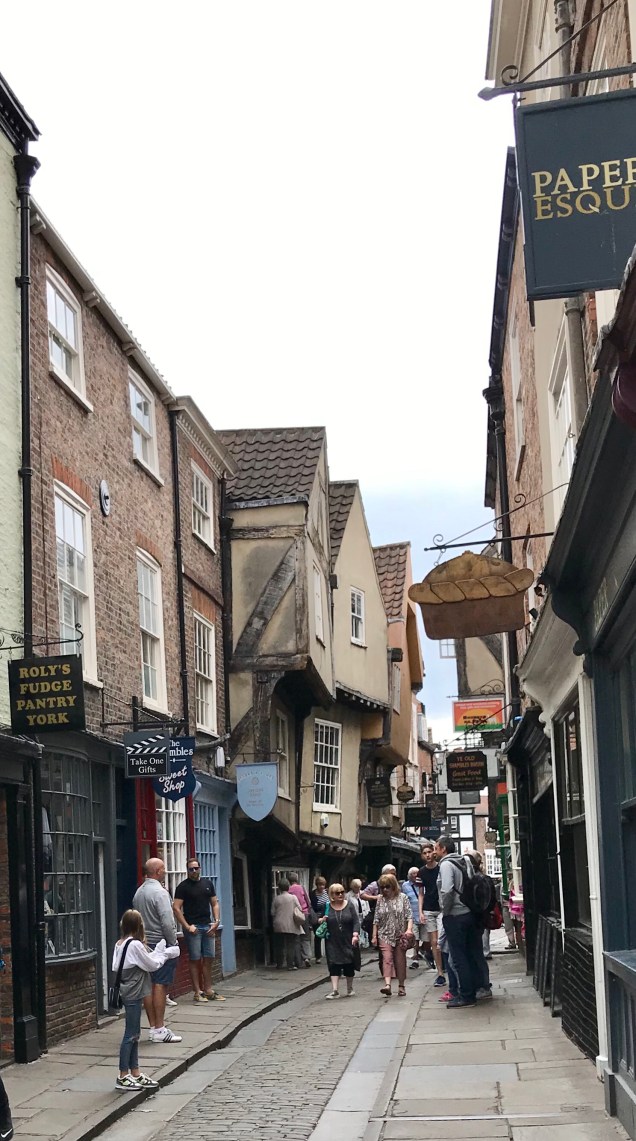
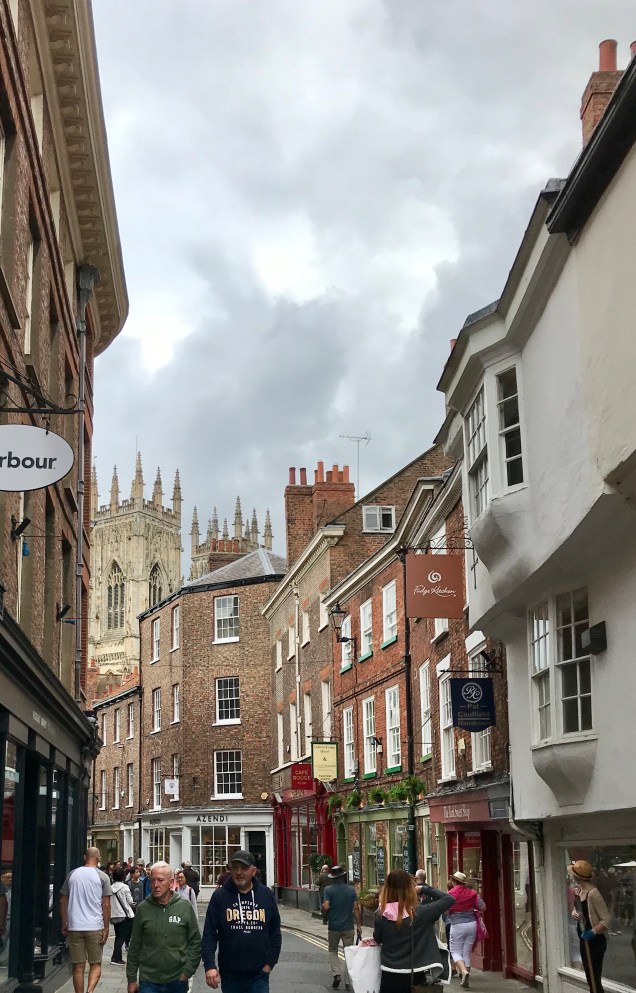
After exploring the Minster we headed out for the area of the village called The Shambles. It’s from this street the movie Harry Potter got its inspiration to reconstruct the street as Diagon Alley.

The street is cobbled and crooked. Several of the upper stories lean out over the pavement at a haphazard angle. This is due to the timber and plaster build of the places. The picture doesn’t really capture the chaotic look of the buildings as experienced in real life.

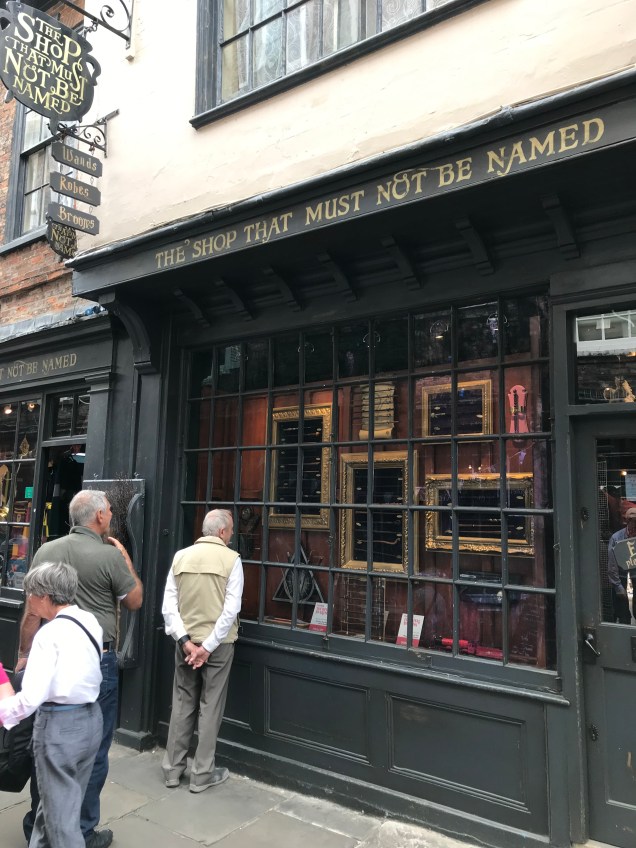
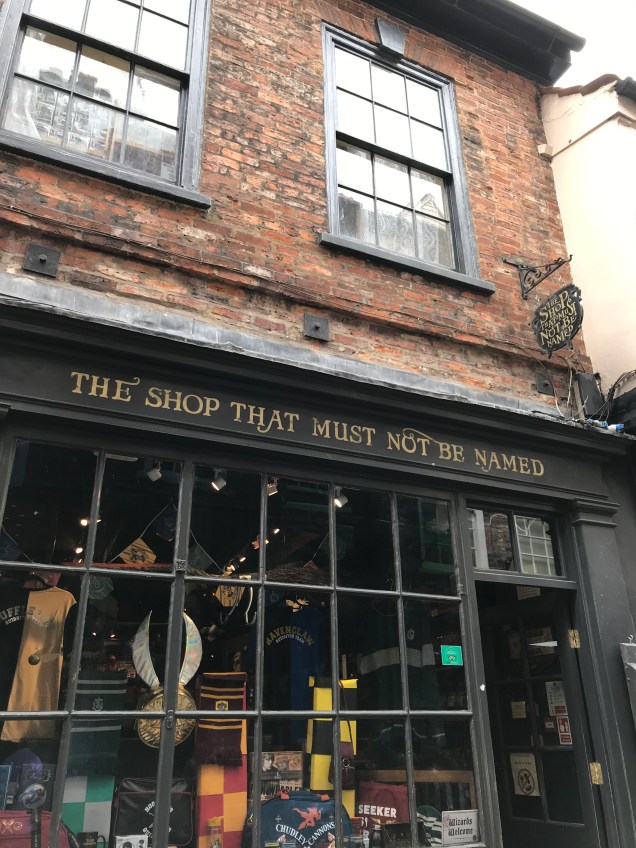
The street has no less than three Harry Potter themed shops.

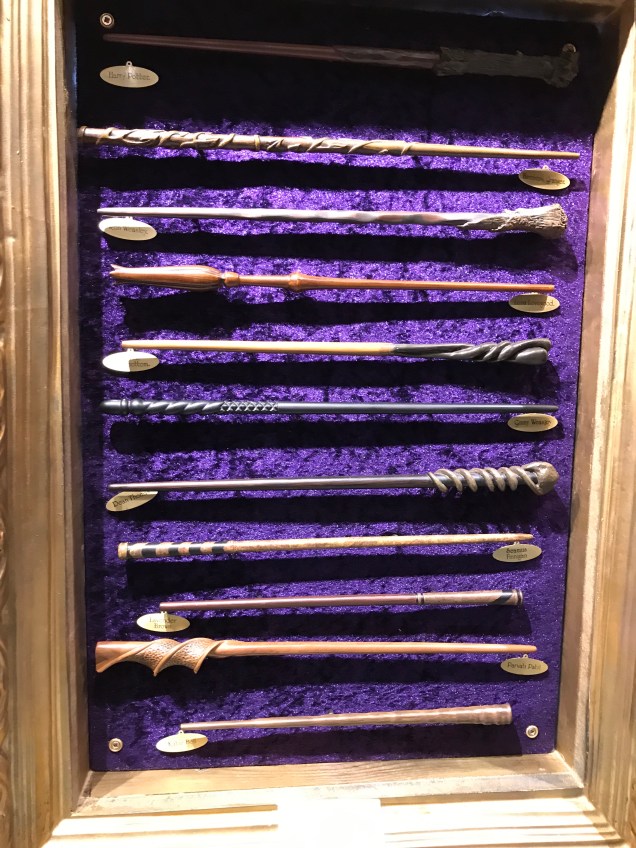
You could by a wizard if wand if you liked.

This is the sight as you exit The Shambles.

You can see the Minster in the background.

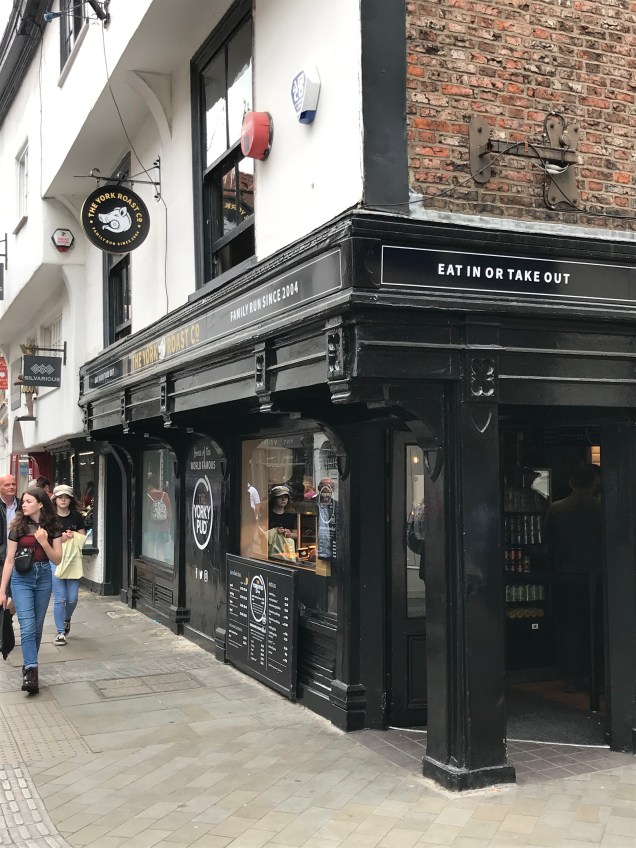
Ever heard of Yorkshire pudding? Well it originates from here and is not a pudding at all. It is poor man’s food. Inexpensive to make with local ingredients and quite filling. We stopped at a corner YorkPud place and ordered up a few. Very yummy with meat of your choice, potatoes, a haggis type stuffing, veggies and light gravy served on a dense Dutch Pancake sort of thing.

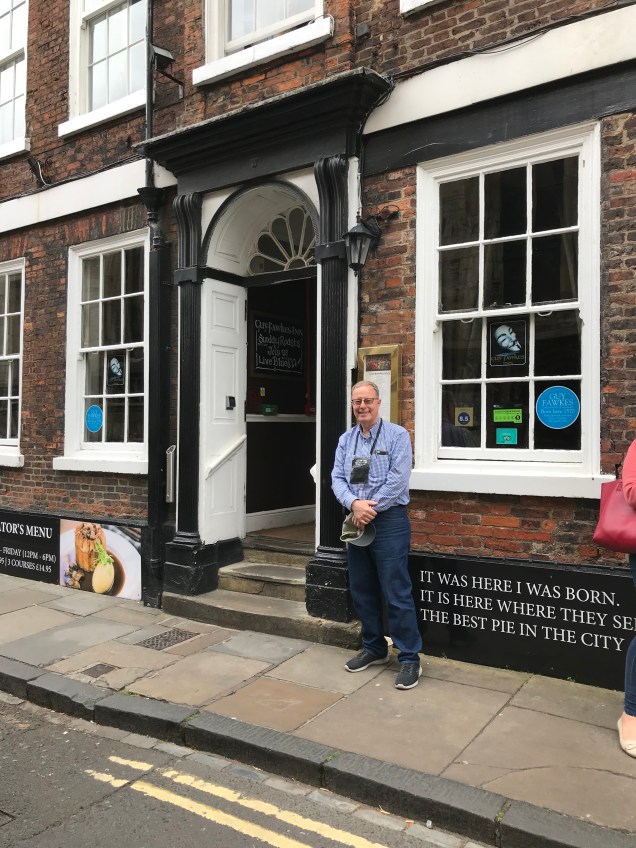
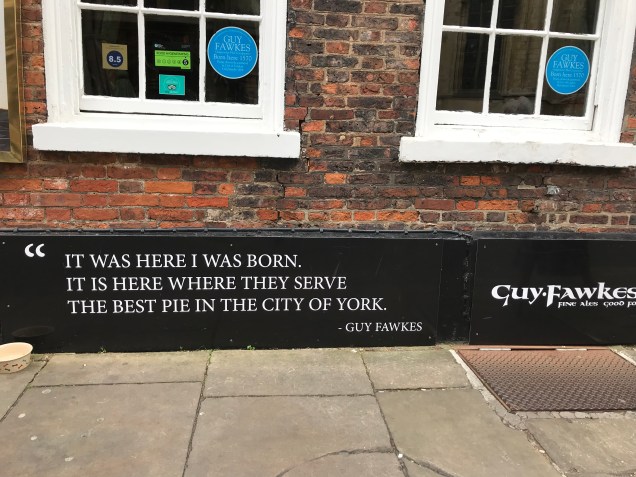
On the square of the Minster is the house the revolutionary Guy Fawkes lived in. It is now an upscale lovely pub. Somehow we are related to him.

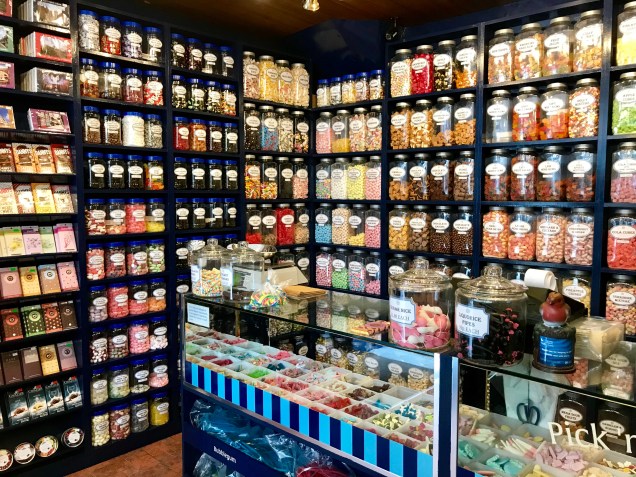
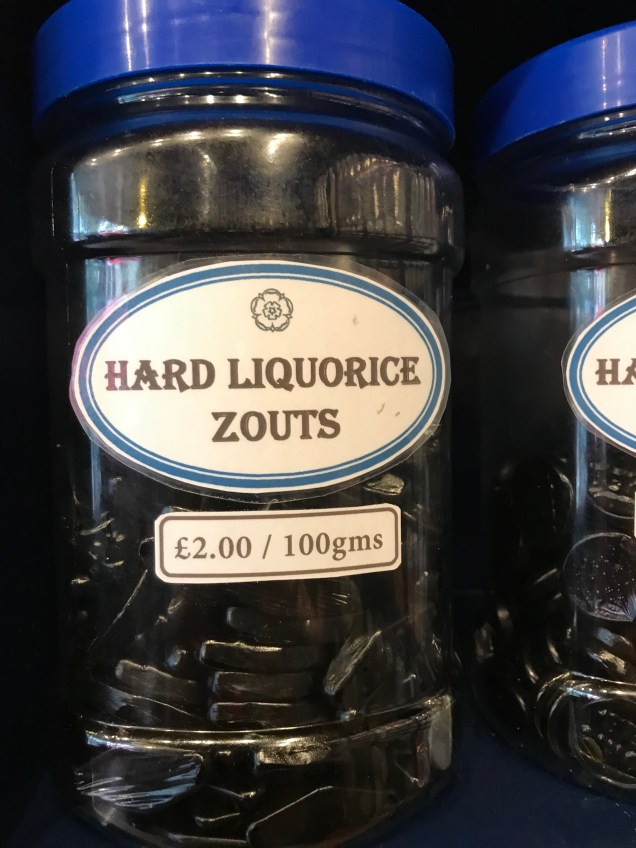
John often looks out for hard licorice like he had when he was a child. Never can find it. Well, we found it here in a delightfully crowded and organized candy shop just off The Shambles.

York has lots of bakeries and candy shops.

Medieval York part 1

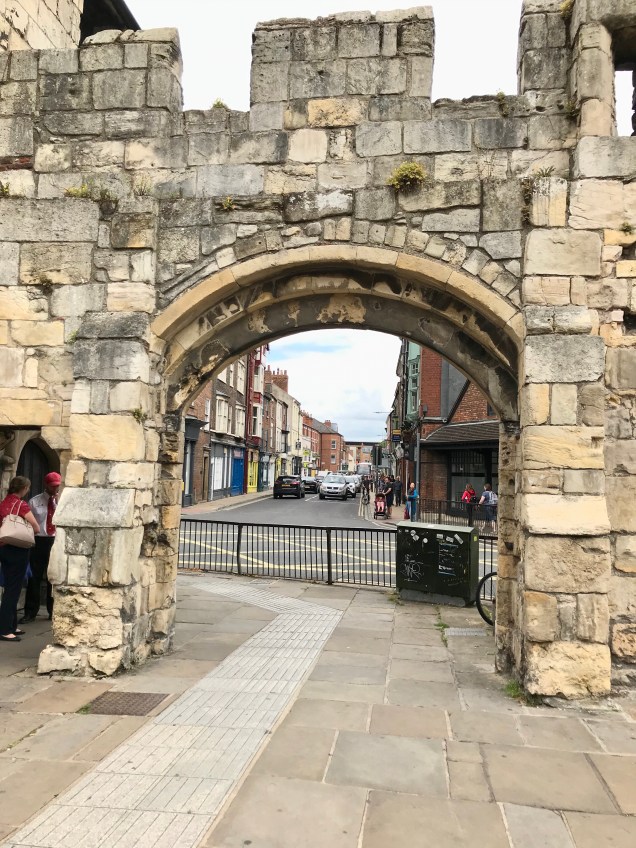
Nothing speaks medieval quite like the ancient walled city of York.

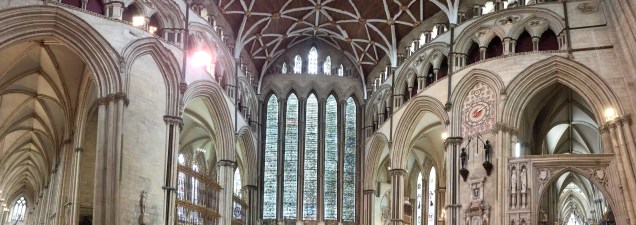
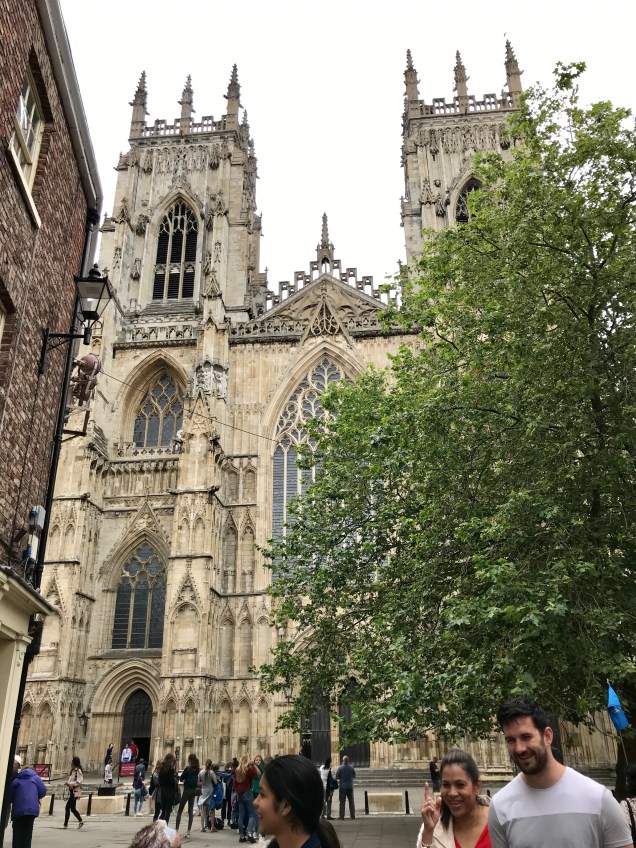
We walked through the ancient gates to the largest Gothic cathedral in the United Kingdom, the York Minster.

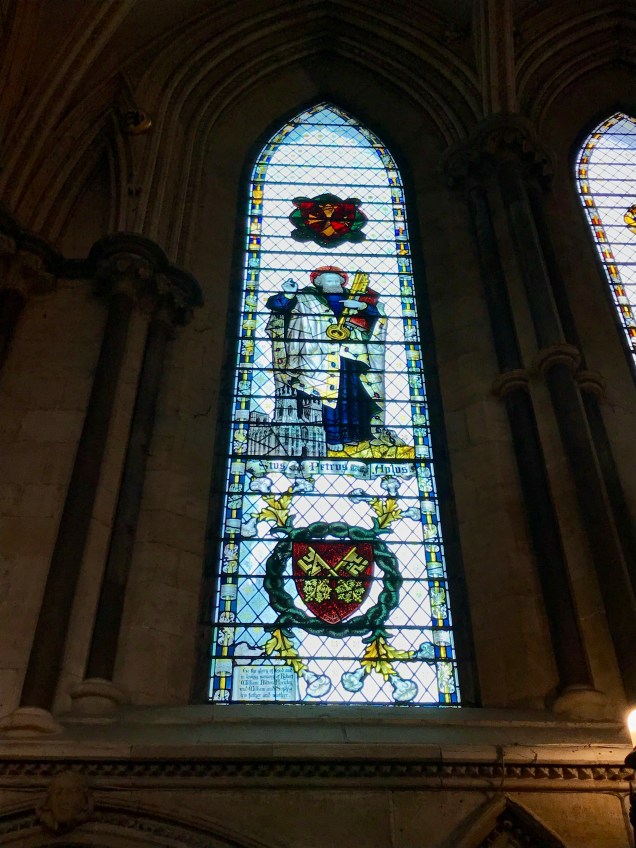
It contained some of the oldest and most beautiful stained glass in all of England.

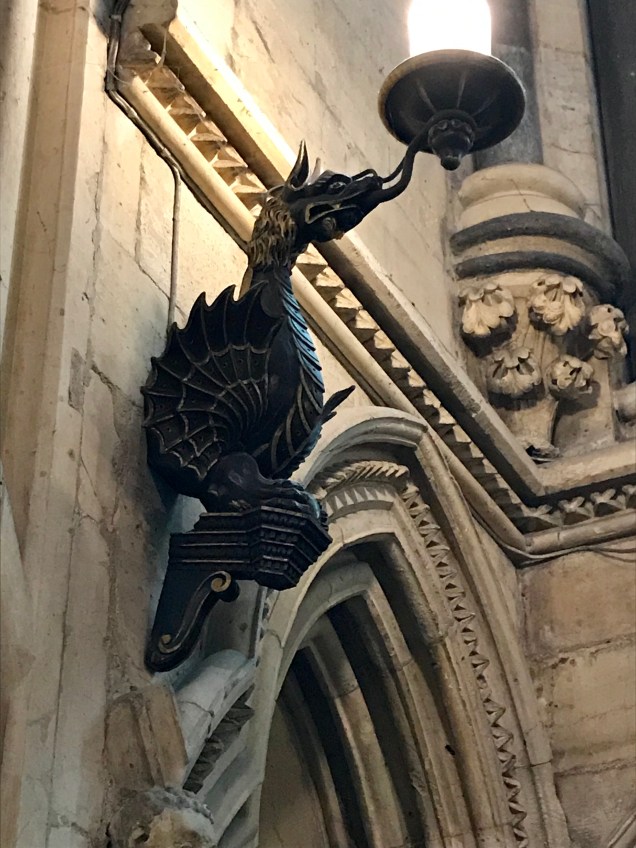
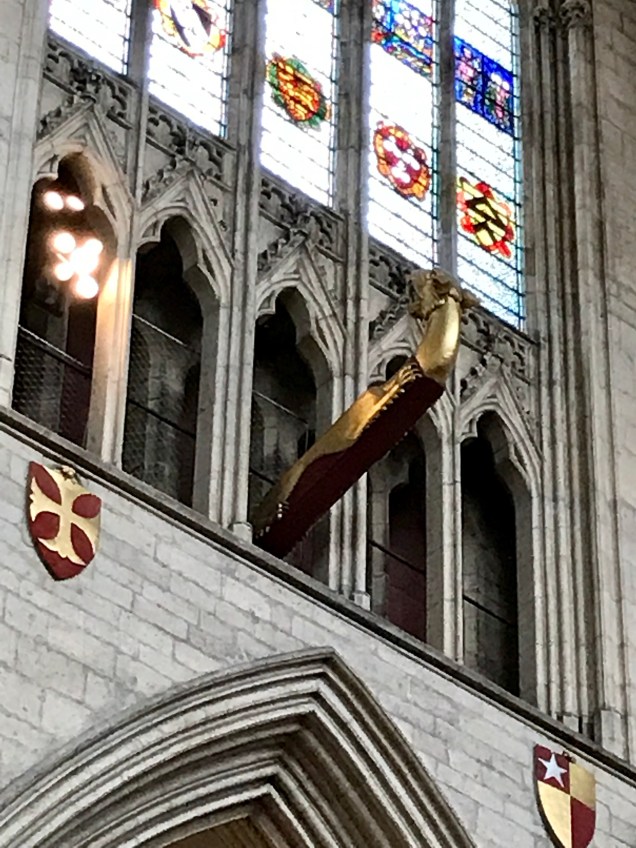
It even has a couple of dragons.

It has a stained glass that was created around the time of the crusaders when they brought back Moorish art.

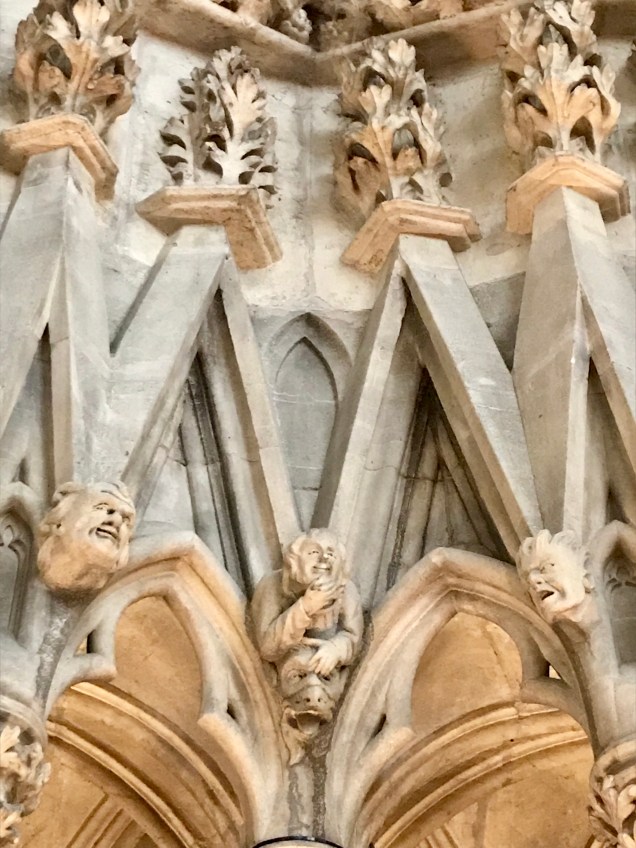
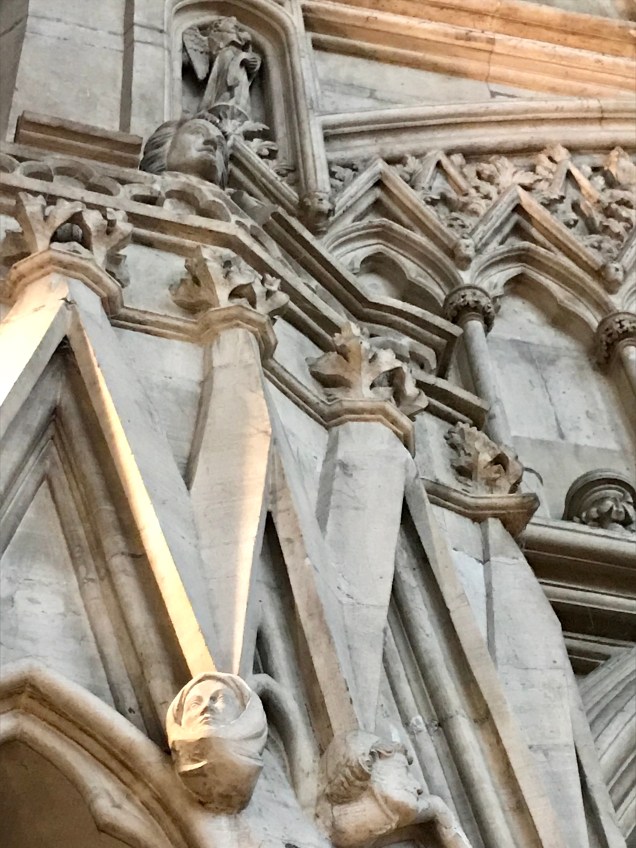
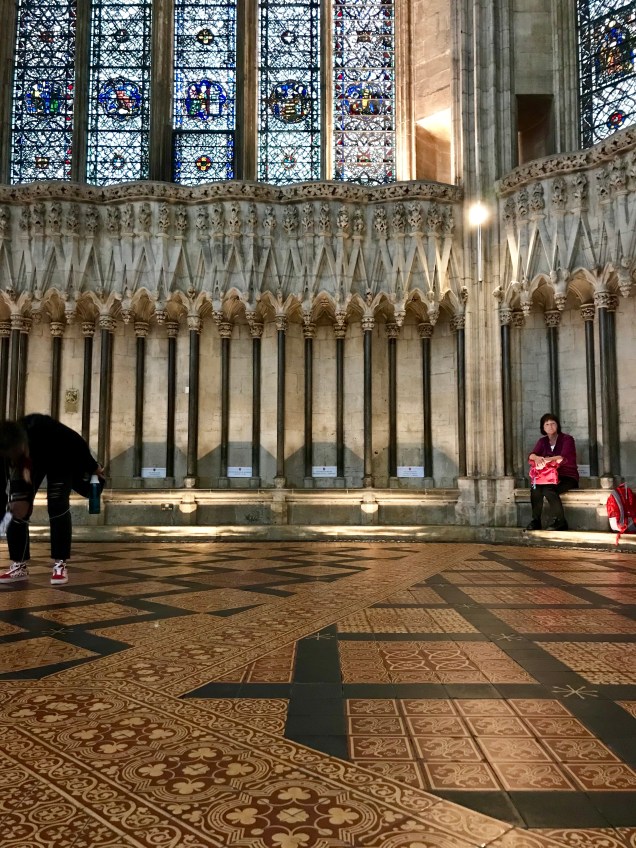
The Minster has an octagonal tiled room addition with medieval gothic characitures called grotesques.

They were thought to scare you into being obedient. Most are pretty scary. I took a few pics of the more pleasant ones.

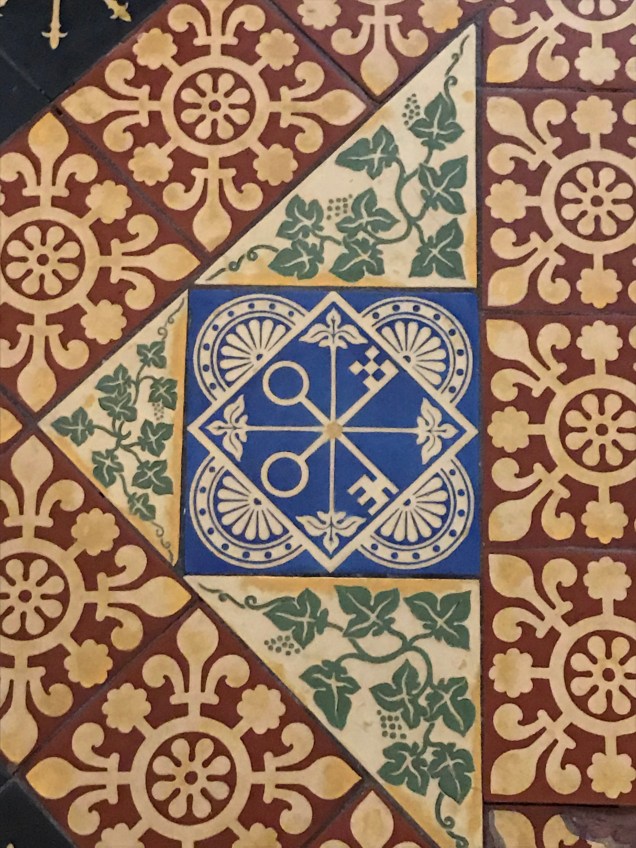
Imported tile floor includes tiles to represent the gospel keys of St. Peter, the Minsters patron saint.

The Minster is very large! If you want to visit the Minster than you pay an entrance fee. If you just want to pray then a guard escorts you to the choir section where you can pray.

There were a lot of memorial graves around the walls. Some quite ancient, some memorial, some quite descriptive in how the person came to their death, and some very dimensional.

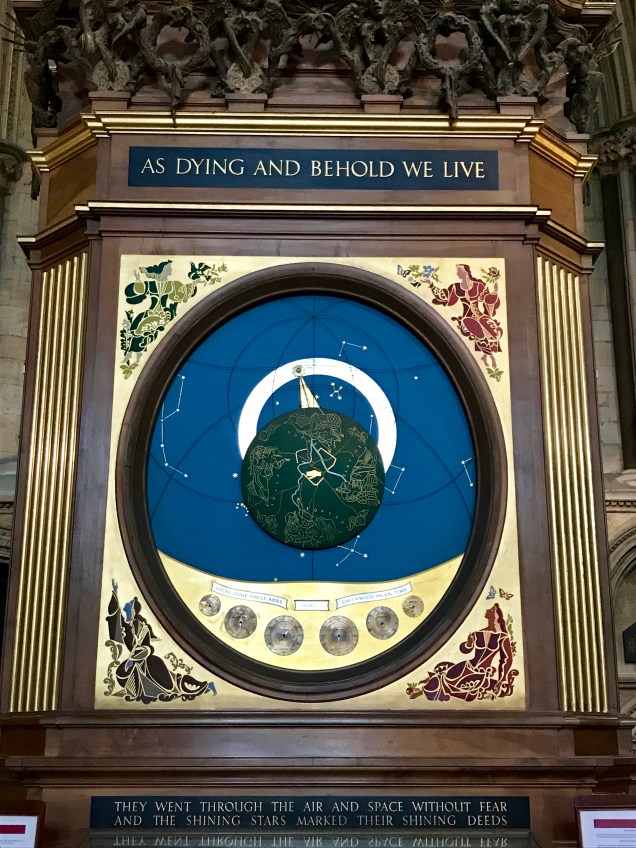
There was a beautifully done memorial to the fallen flight soldiers of the wars.

Magical Edinburgh, part 2

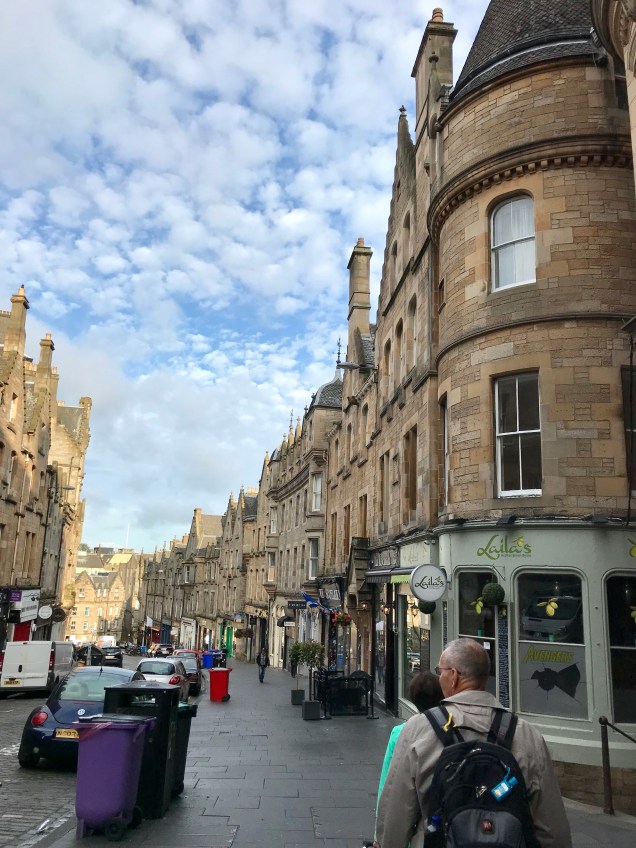
Another day to explore Edinburgh starting with a brief bus city tour to help get us oriented and see some highlights.

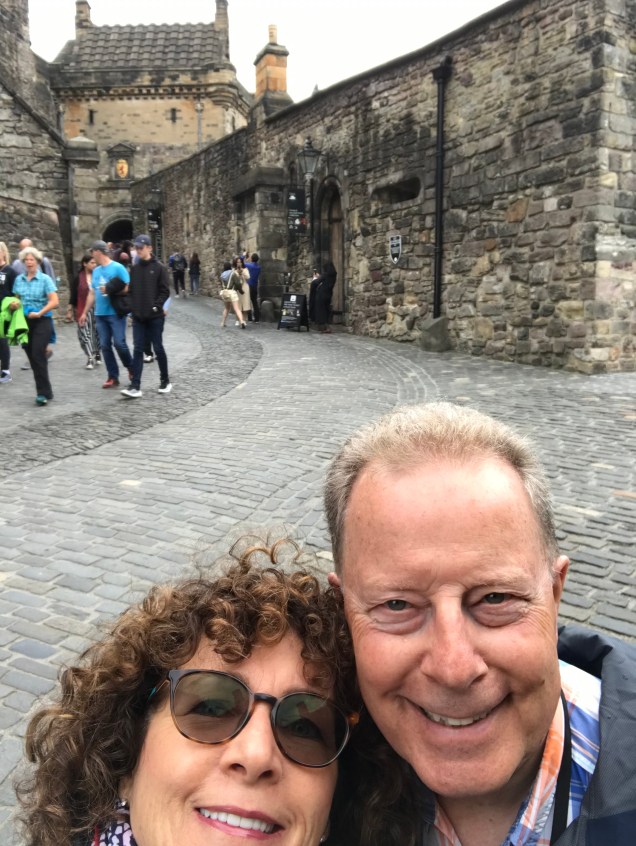
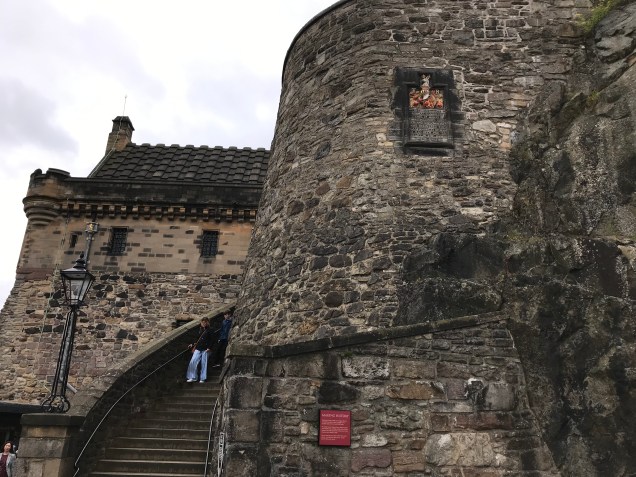
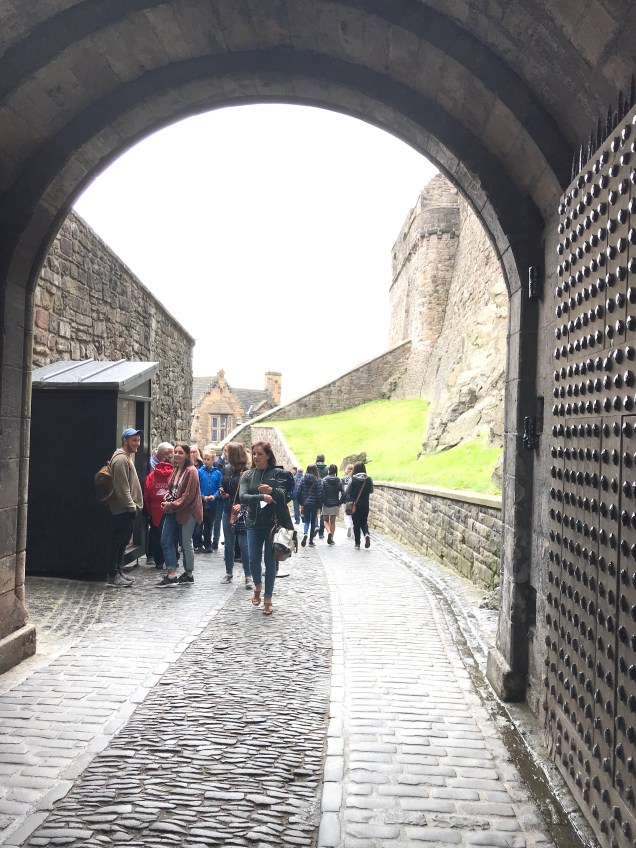
Next stop, Edinburgh Castle, one of the most important strongholds in the kingdom of Scotland. Involved in many historical conflicts and one of the most besieged and attacked castles in Europe.

Lots of people queuing to get in the gate. The massive stands for the Tatoo later in August are already set up. Don’t know what the tatoo is? It’s not something you etch on your skin. It is a huge gathering and celebration of Scottish culture with bagpipes, dancing, regimental performances, wearing of the tartan, etc. Would love to attend someday. People come from all over the world to attend.

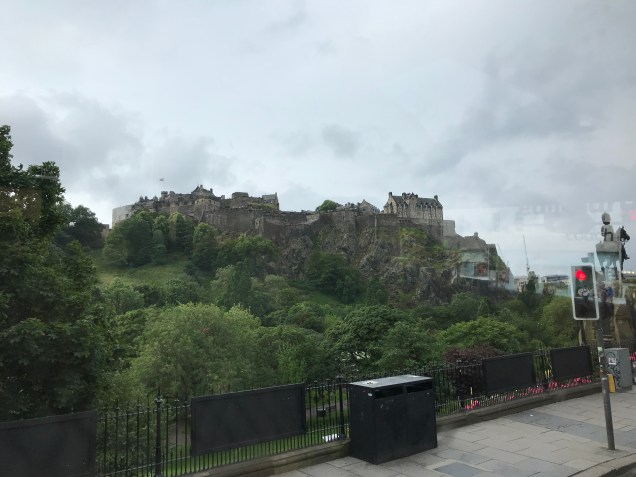
The Castle sits on the highest craggy point in Edinburgh. It can be seen from wherever you are in the city.

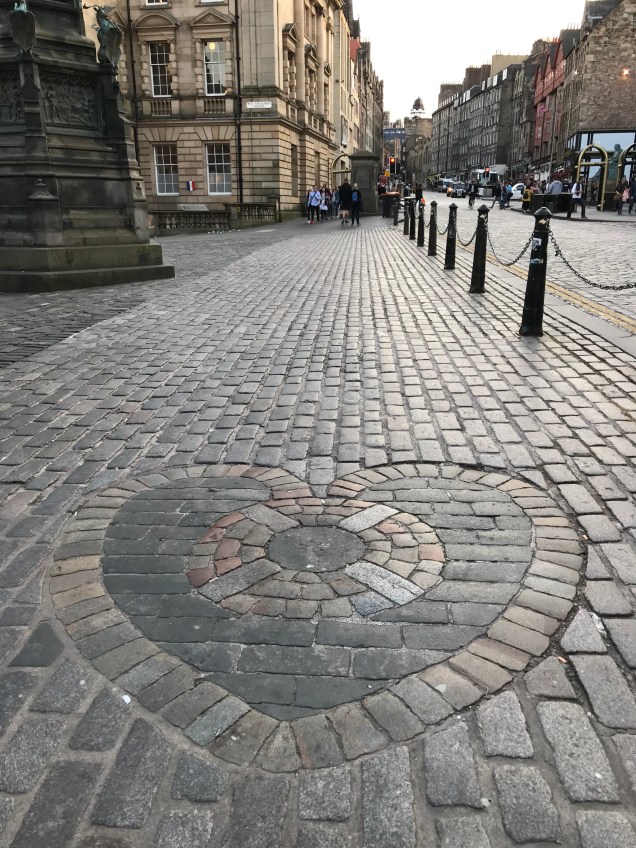
Back down on the Royal Mile we looked for the Midlothian Heart. Finally found it near St. Giles church as part of the cobblestone pavement.

It is a mosaic of granite in a heart shape that records the place of the Old Tollbooth, a prison, and a place of execution. People will often spit on the heart. It used to be because of the disdain of the prison but nowadays it is done for good luck. People will also walk around the heart in the belief if you step on it someone’s heart will be broken.

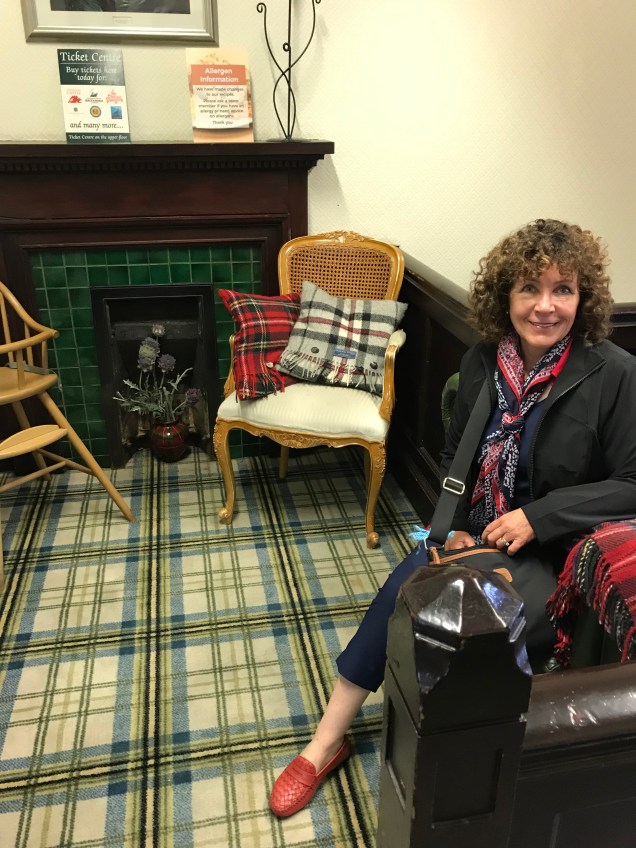
Wandered down to Princes Street for lunch at an old establishment. The ground floor has a Scottish souvenir shop, next level one of the best known kilt makers with books and books of fabric tartan samples, sgian-dubhs (a type of knife you tuck in the top of your sock), sporrans, socks and all the other items you’d need to be outfitted in true Scottish style. Next floor up is the tea room, and the top floor is the toilets (they don’t use the word bathroom here). All accessed only by a narrow staircase carpeted in plaid.

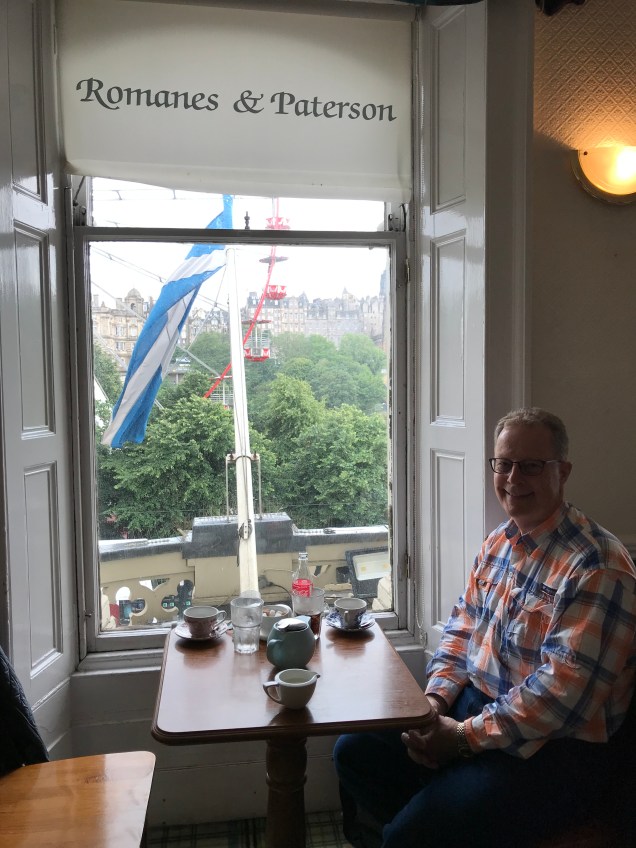
The tea shop, Romanes and Paterson, is very tiny and was filled with lots of little old ladies in for their afternoon tea. We sat at a window seat and ordered up a traditional light lunch to go with our herbal tea. I had a haggis and Brie sandwich. It was delicious. Tea was served in very flowery mismatched cups and saucers.

We wandered around town for awhile looking in shops and such. Soon it was time for dinner.

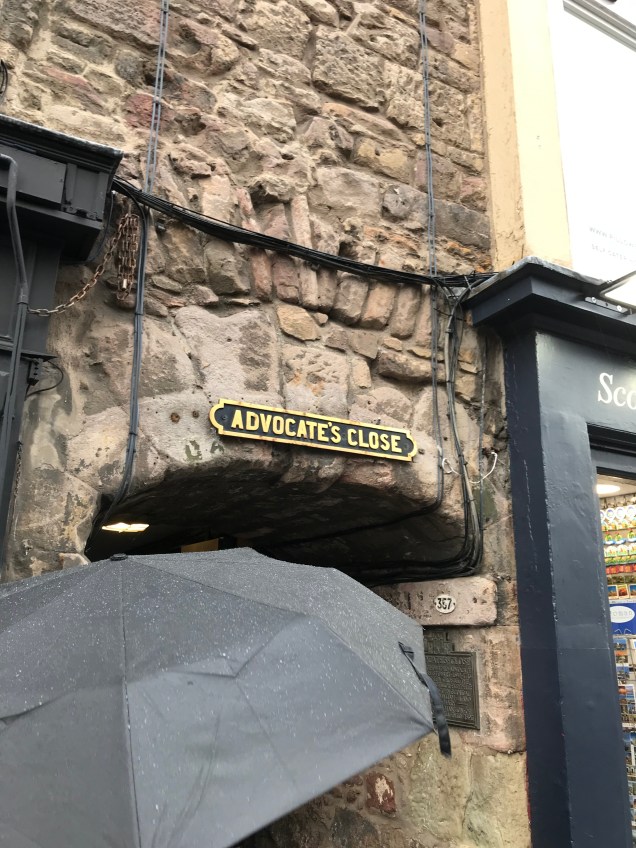
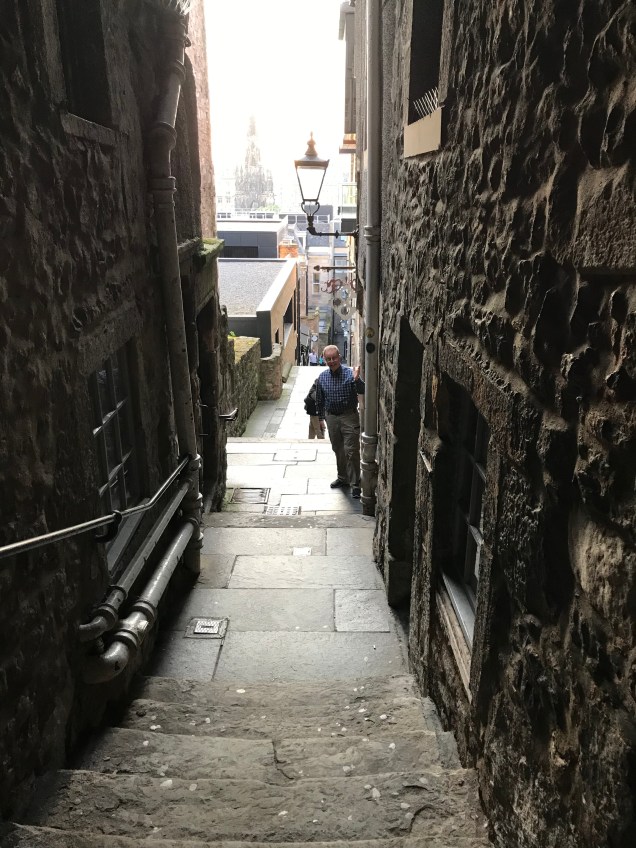
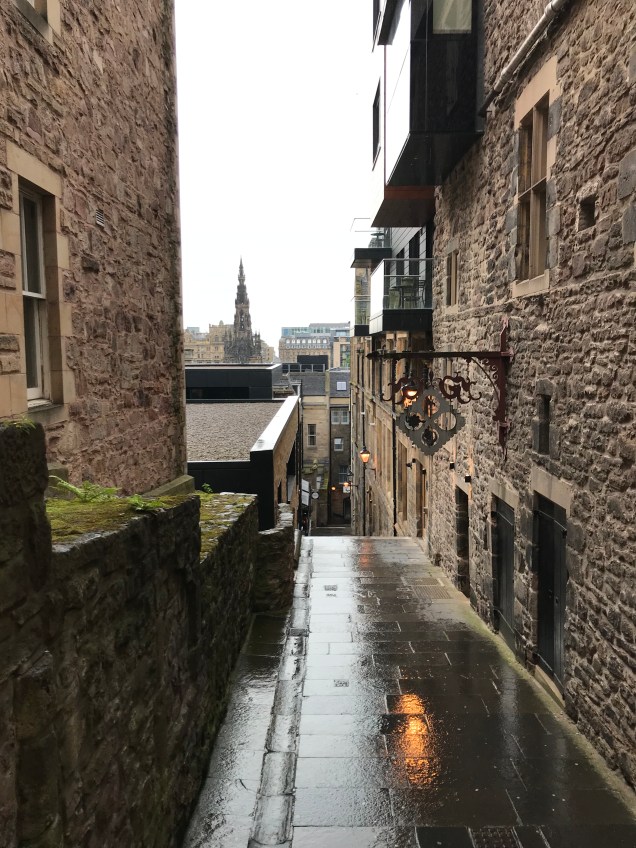
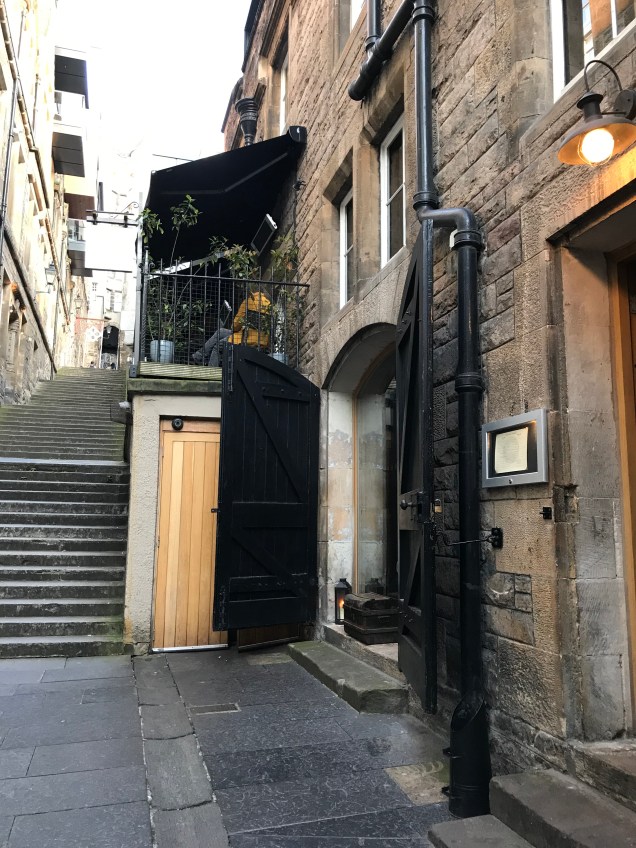
To get to the restaurant we had to walk down steep stone steps through an old ‘close’ (an alleyway), Advocates Close.

The restaurant and pub, Devil’s Advocate was very crowded.

We had one of the most delicious meals. I had haggis which included some apricots for sweetness with a side of figs. John had roast pork with a light sauce that included dark cherries. Surprising tastes. Very cozy atmosphere sitting in an arched cobbled stone way.

Wish we could spend a week or more here.

Magical Edinburgh, part 1

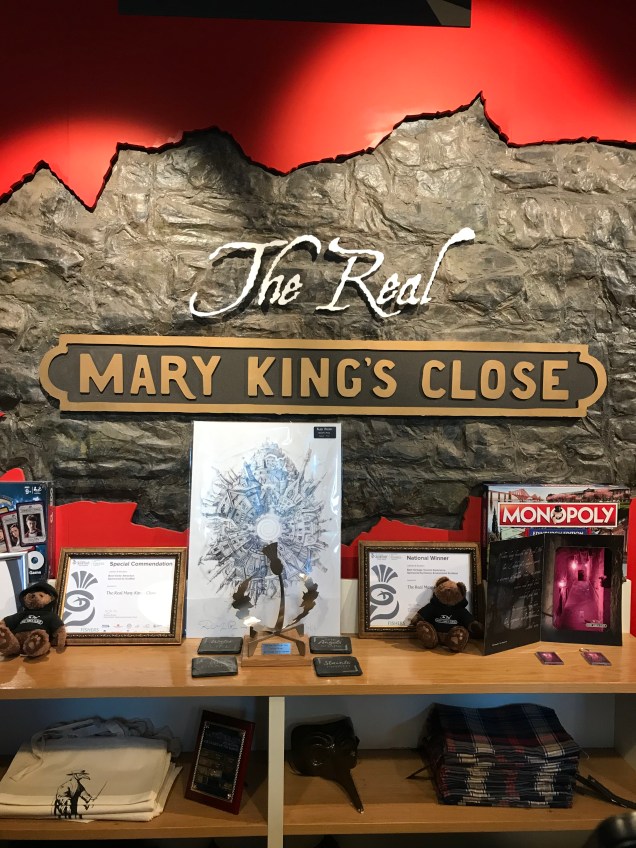
Our hotel, the Radisson Blu, is right on the Royal Mile, ‘The Street’ to be on. The street runs along the rocky ridge of the craggy mountain from the heights of Edinburgh Castle to the base of which culminates in Holyrood Palace. It was evening by the time we arrived so we wandered around looking at shops and pubs and sites along the Royal Mile. Finally decided to take a tour of the Mary King’s Close. It’s a Warren if old alleys and dwellings under the street of the Royal Mile.

It was pretty creepy but interesting as a guide dressed in period clothing gave us a tour and showed and explained how people used to live in the historic 17th century Edinburgh. It’s no wonder people died of such horrible things as the bubonic plague. Tight quarters, bottom floors had dirt floors, rats, no running water, slip and waste just tossed out with a bucket into the street. The waste running down the street into the loch. Yuk. Where the loch used to be is now the train station.

Still some time to experience Edinburgh so we headed to Sandy Bell’s. A pub where you can mix with the locals, listen to a jam session of Scottish folk music and enjoy the evening. We were delighted with the impromptu music as we listened to players of the Irish pipes ( Uilleen), a tin whistle, two fiddles, a wooden flute, a mandolin and a guitar. There was also a bagpiper with his pipes laying cross his legs and not playing but rather brooding as the reels and jigs were being played. He looked like he just stepped out of a Scottish novel. Dark curly hair, large and muscular, high forehead, and concentrated gaze. The clientele was a mixed group of middle age folks, lovers, reggae types, ruffians, business men, and a few Americans. All crammed into a little tiny pub. Noisy and fun.

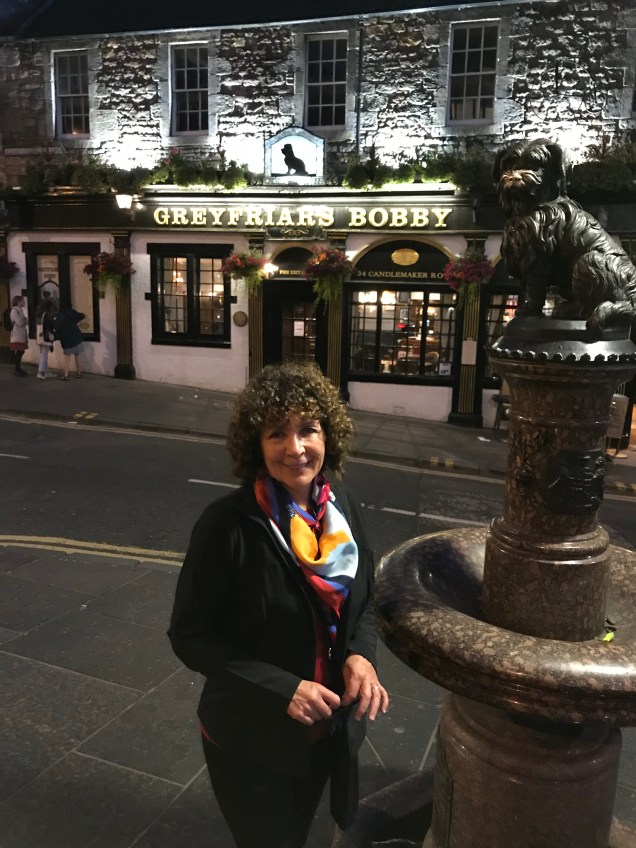
As we left and headed up the dark mostly unlit cobblestone Street we were pleasantly surprised to come across the statue of Greyfriar’s Bobby.

Greyfriars Bobby, a little Skye Terrier, became known in the 19th century in Edinburgh for spending 14 years guarding the grave of his dead master till he himself died in 1872. He is well known in Scotland and many sales are told of him.

St. Andrews and lots of time on the bus

Up at 4 A.M. to catch our flight from Ireland over the Irish Sea and on to the capital of Scotland, Edinburgh. Be sure to pronounce correctly… sort of like EdinBraw. YouRube it if you really are curious to know the correct way to pronounce.

Although we landed at the airport outside of Edinburgh our first stop was not the city. We headed on up the coast to ‘The’ golf course, St. Andrews, where golf began. St. Andrews sits right on the coast and looks out over the ocean. Th course was a hub of activity.

The town of St. Andrews is old and charming. Golf shops were everywhere.

Next stop, Glamis Castle, dating from the 14th century but mostly from the 17th century. It was the childhood home of Queen Elizabeth the Queen Mother (mother of the current Queen Elizabeth).

Glamis is pronounced Glams, just leave out the letter ‘i’. The current Queen likes visiting here. The tour took us through the rooms that are used by the family. It was wonderful how the castle felt so comfortable and almost homey. The rooms were surprisingly small and intimate. This castle was the inspiration for Shakespeare’s Macbeth. There are several legends, tales of ghosts, and history for Glamis Castle.

The castle’s original kitchen with its large ovens is now a quaint place to get a cup of tea, hot chocolate, a scone, or some other light fare.

We were running late to get back to our home base of Edinburgh but managed to have a picture stop for Stirling Castle.

It was beautiful around the castle with rolling hills of fields, sheep, and even some Scottish flowers such as the thistle.

We spent hours on the bus since all these sites were quite far apart. But all the places were quite wonderful to see and experience.
The Giant’s Causeway

Off on the bus out of Belfast and up the gorgeous rugged coast of Ireland to the Giant’s Causeway.

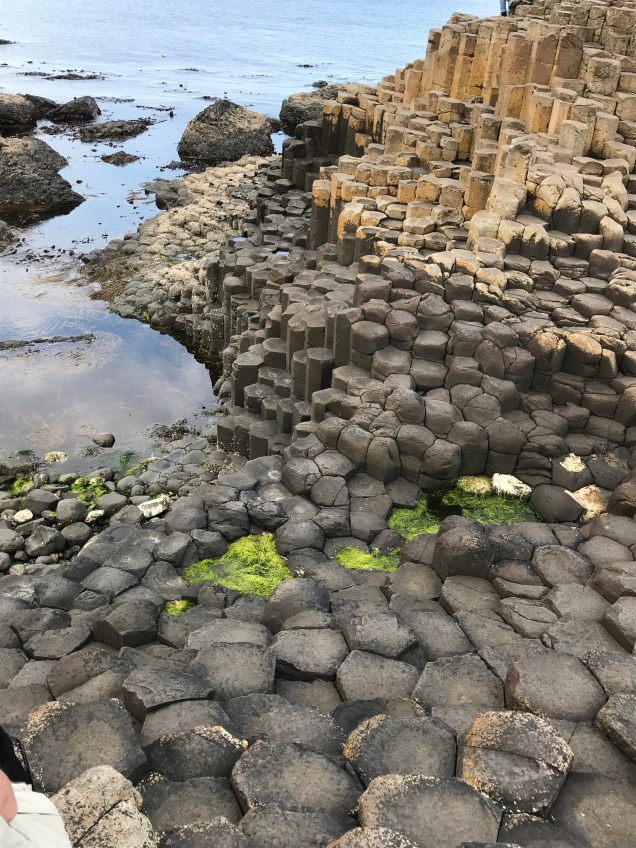
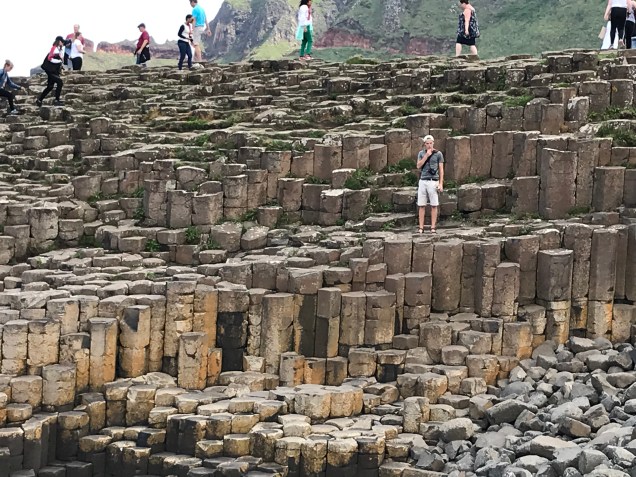
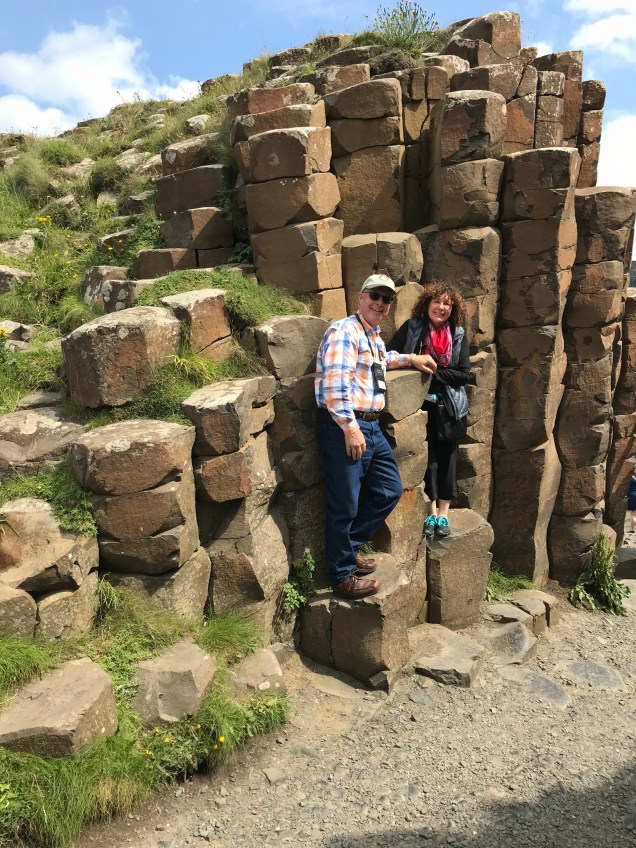
The Giants Causeway is an amazing geologic formation of hexagonal stones that thrust themselves up from the ocean floor and are seen on a short stretch of very Northern Ireland. The hexagonal stones, 40,000 of them, are tightly packed and stand on end. Some appear mere inches tall and others are 20′ high, all uniform in shape being about one foot across.

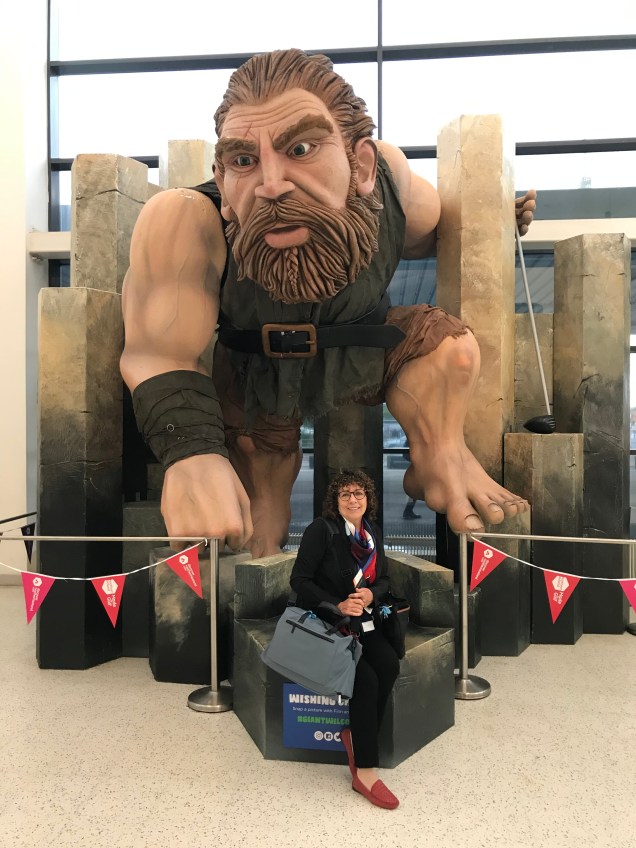
There is an Irish legend about how and why the stones came to be. According to legend, the columns are the remains of a causeway built by a giant. The story goes that the Irish giant Fionn mac Cumhaill (Finn MacCool), of Gaelic mythology, was challenged to a fight by the Scottish giant Benandonner. Fionn accepted the challenge and built the causeway across the North Channel so that the two giants could meet.  Fionn hides from Benandonner when he realises that his foe is much bigger than he is. Fionn’s wife, Oonagh, disguises Fionn as a baby and tucks him in a cradle. When Benandonner sees the size of the ‘baby’, he reckons that its father, Fionn, must be a giant among giants. He flees back to Scotland in fright, destroying the causeway behind him so that Fionn would be unable to chase him down. Across the sea, there are identical basalt columns (a part of the same ancient lava flow) on the Scottish isle of Staffa.

On another note, the British Open (golf) will begin in a few days near the same location in the North at Royal Portrush Golf Course. That little northern tip of Northern Ireland was very busy.

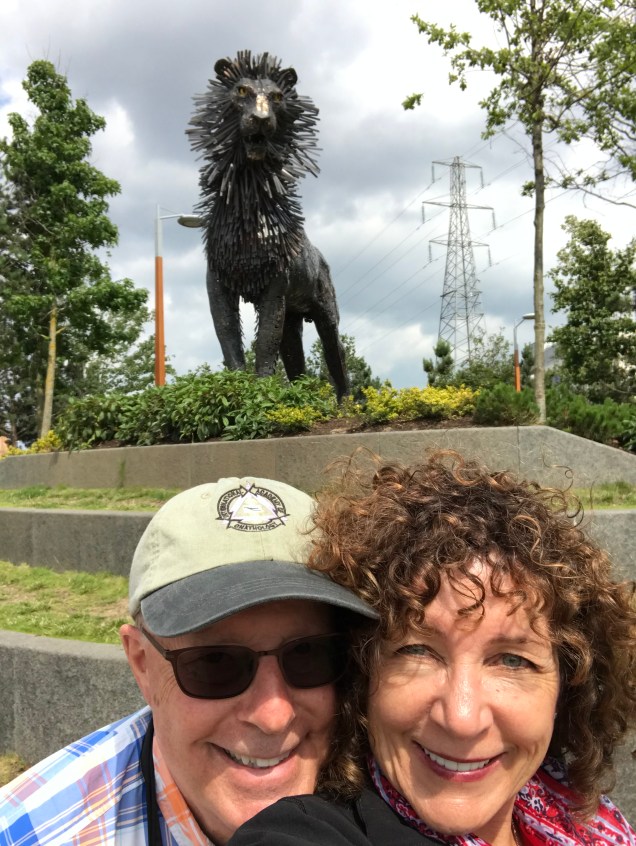
On our return we stopped by a very tiny memorial park to the famous author, C.S. Lewis. Dotted about the park were metal sculptures representing various characters from his book, The Lion, the Witch, and the Wardrobe. Love his books!

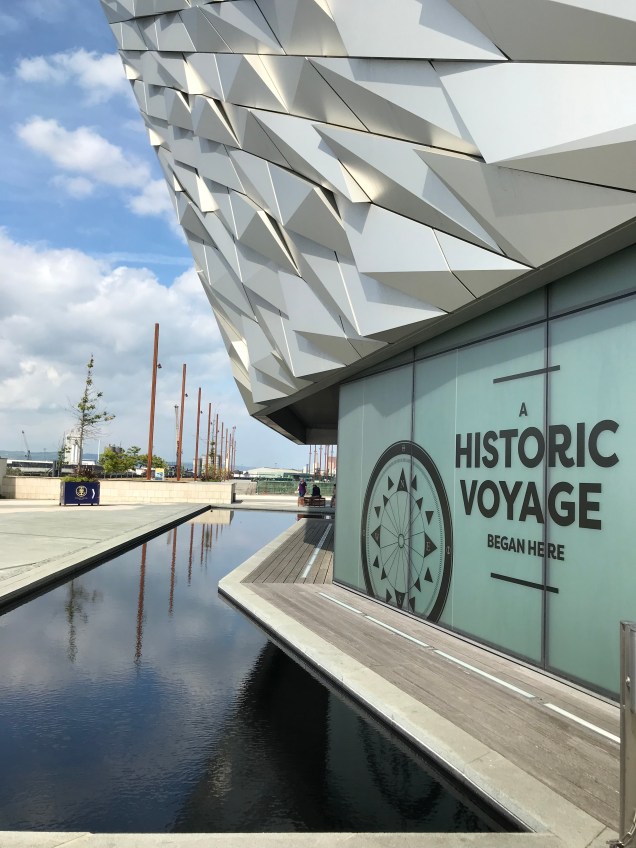
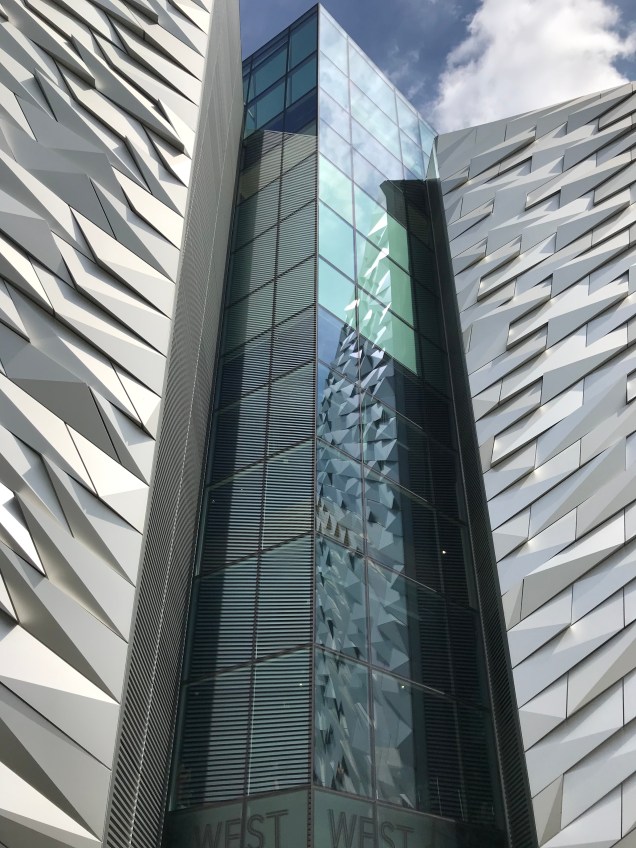
The day was not finished yet. We tootled over to the incredible Titanic Experience in Belfast. Through architecture, displays, interactive experience, and displays, it tells the story of HMS Titanic. The Titanic was built right here in Belfast in the very spot where the ‘experience‘ is located.

The Titanic Experience was well worth the visit.

Favorite discovery in Dublin

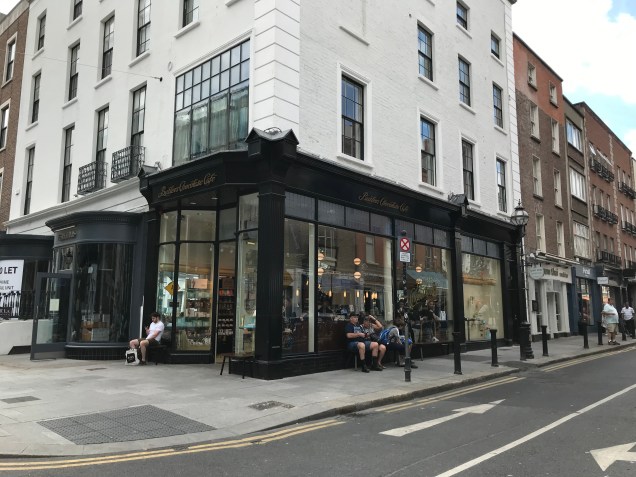
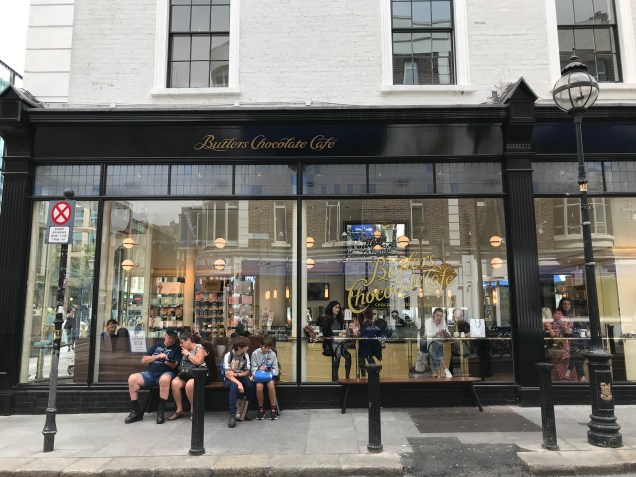
Butlers Chocolate Bar was my favorite place to go for a treat. They are like Starbucks… they are everywhere. I loved going in the elegant store with a fine chocolates bar, by the piece, and ordering two praline and chocolate drinks with cream on top and receiving two chocolate pieces of my choice. There is nothing quite so delicious as European chocolate. Devine!
The Book of Kells

Today we joined our tour group for a tour of Trinity College which also happens to have a world famous and extraordinary library which in turn houses The Book of Kells.

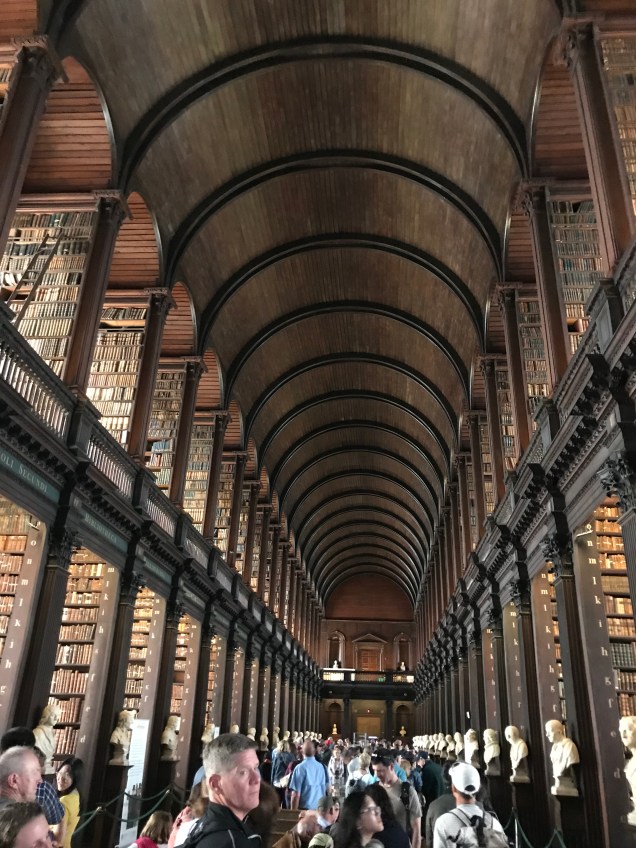
The library looks like it is right out of Harry Potter. It is referred to as the Long Room.

You are looking at two stories of row upon row of ancient books. The room houses over 200,000 of the oldest books. It smells just like you would expect an old room of books to smell, musty and old, and wonderful.

The upper story has a secret doorway to get to the columns of books. See if you can spot it in this picture.

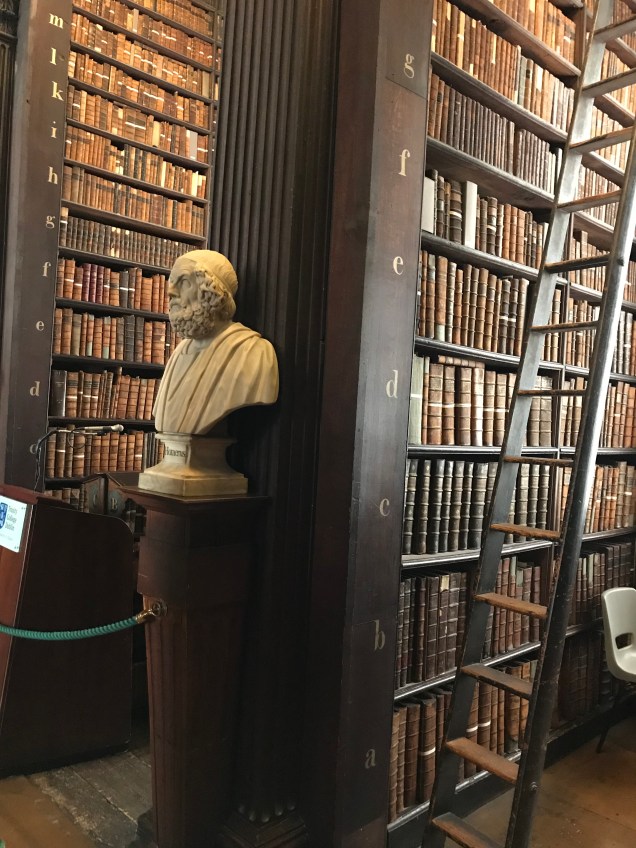
Notice how the column with alphabetical lettering has no letter ‘j’. No they didn’t forget to put it there. It’s because there is no letter ‘j’ in Latin.

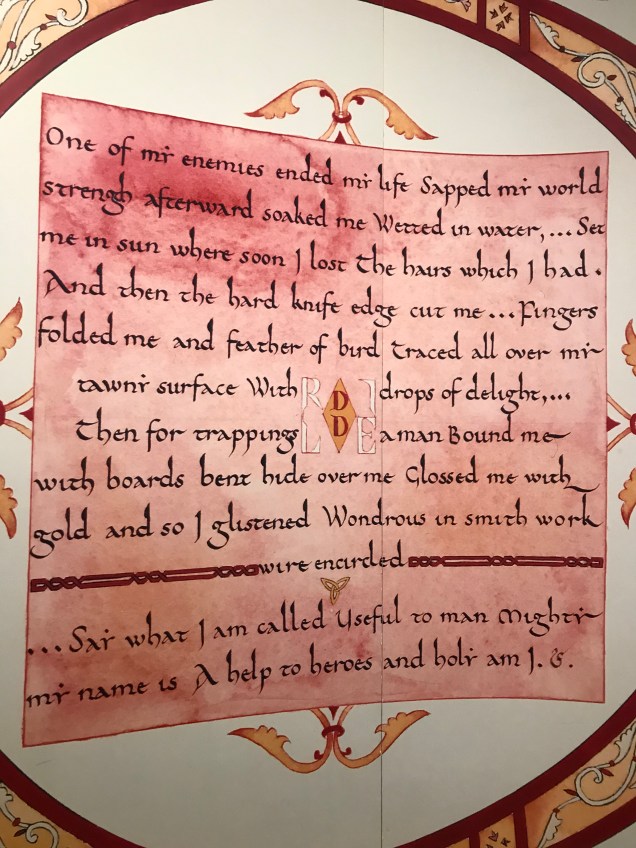
The showcase of the library is The Book of Kells, an illuminated manuscript written in Latin and illustrated on vellum around 800AD by monks. The four books record the four gospels. The painstaking and amazing process of making the book is elaborately shown in presentation panels before entering the room housing the display case for The Book of Kells.

Did you figure out what this Poem is referencing? It refers to the process of making vellum which is then used as the ‘paper’ for writing and illustration.

For an actual look at the Book of Kells you can go online to Trinity College website. No pictures are allowed by the public of the actual books or pages.

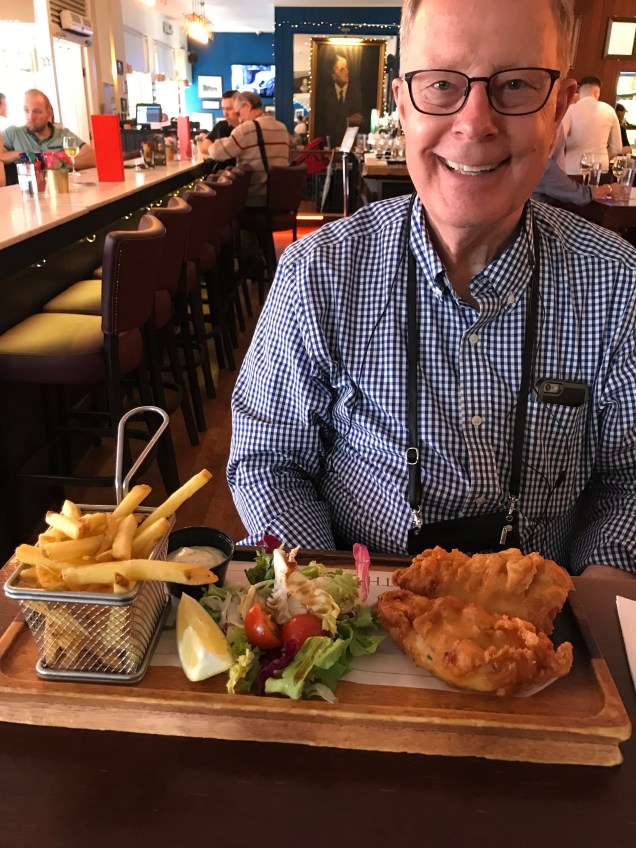
We closed our last day in Dublin with a quick bite at a pub near Trinity College and Grafton Street with classic Fish and Chips. If you want ketchup for your chips (French fries) you’ll have to ask for a sachet. The ketchup, tartar sauce, vinegar, comes in little tubes called sachets. We would call them packets.